AC Tune-Up & Maintenance in Sacramento
An air conditioner tune-up catches the parts that fail in July (weak capacitors, dirty coils, slow leaks, clogged drains) while they're still small fixes instead of a no-cooling call in a heat wave.
- Licensed technicians
- Diagnostic-first
- Written options
Why tune up an AC before Sacramento heat?
What does an AC tune-up include?
An AC tune-up includes electrical tests on the capacitor and contactor, a refrigerant charge reading, coil inspection and cleaning, an airflow and blower check, and a cleared condensate drain. Each item is measured against a spec, so you get readings instead of a sticker on the unit. Here's what gets checked on a central air system, and why.
| Component | What's measured | Failure it prevents |
|---|---|---|
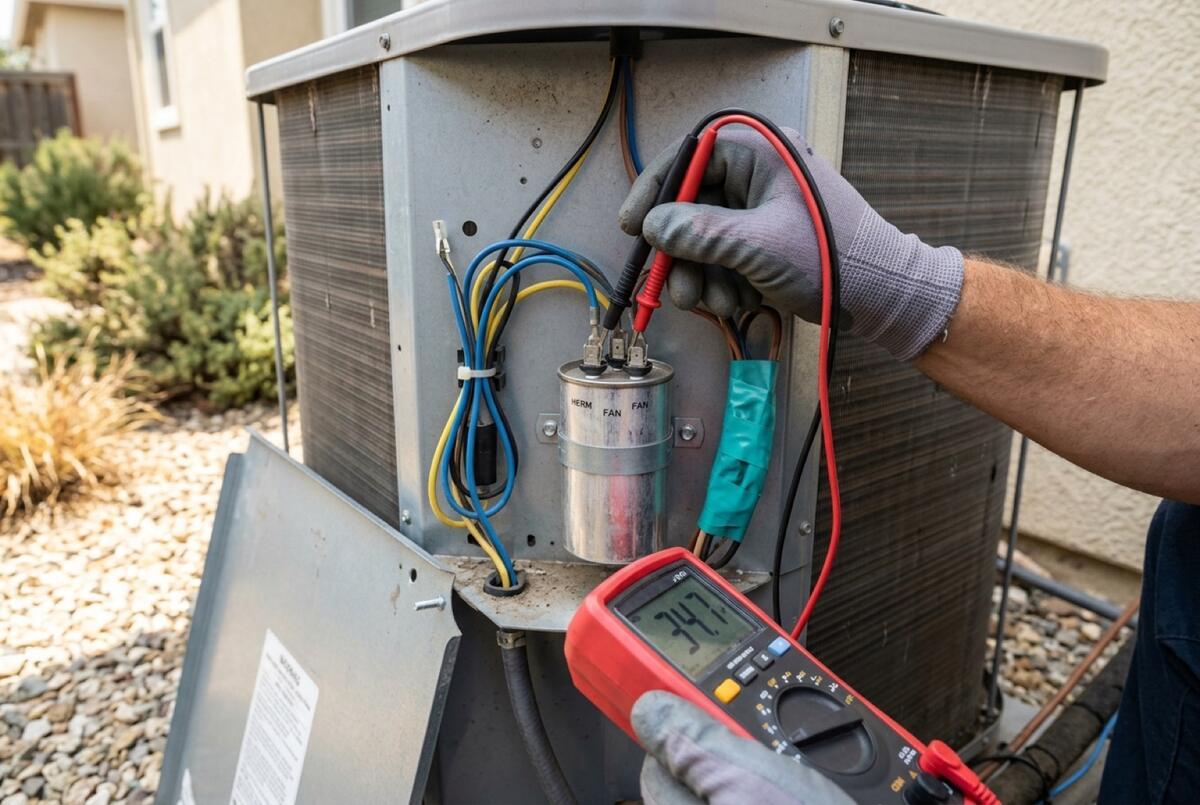
| Run capacitor | Microfarads, read against the rating printed on the part | An outdoor fan or compressor that hums and won't start on a hot afternoon |
| Contactor | Pitting and burn marks on the contacts; voltage across them | A relay that sticks closed or won't close, leaving the unit running nonstop or dead |
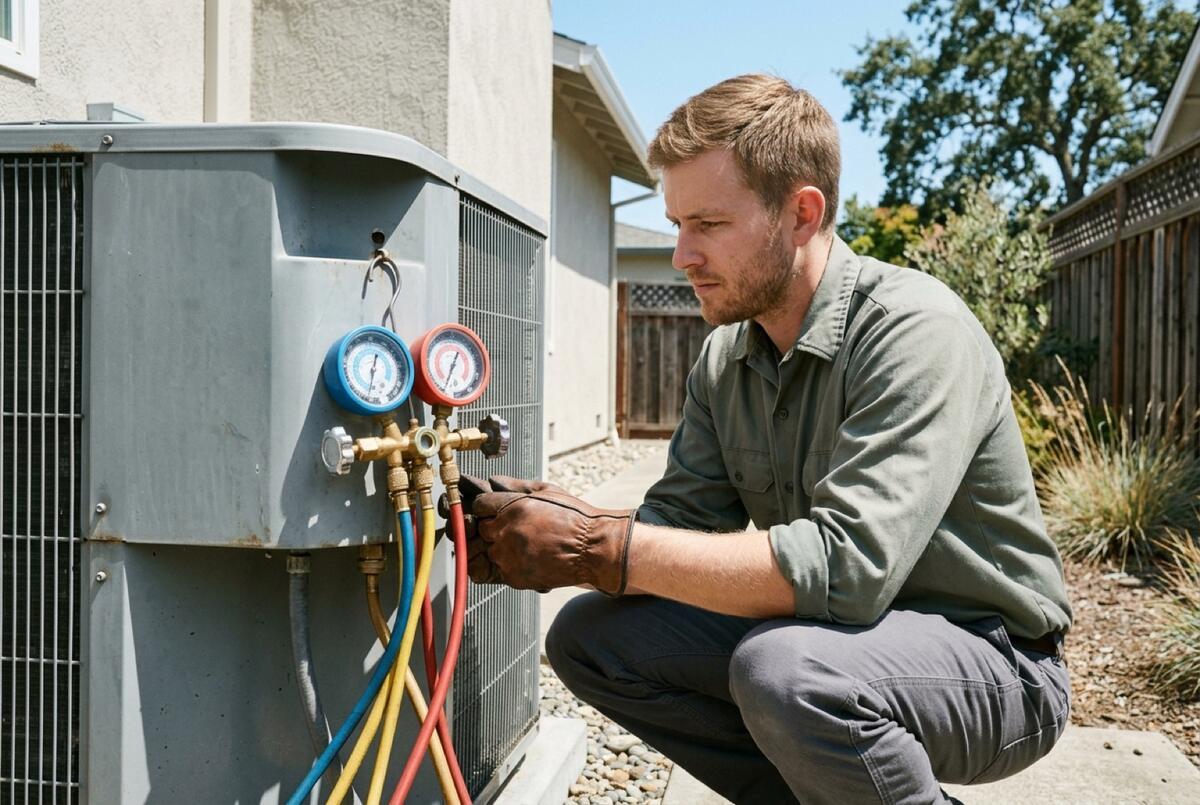
| Refrigerant charge | Pressures and line temperatures (superheat or subcooling) against the manufacturer's target | A slow leak starving the coil until it freezes, or a compressor running hot |
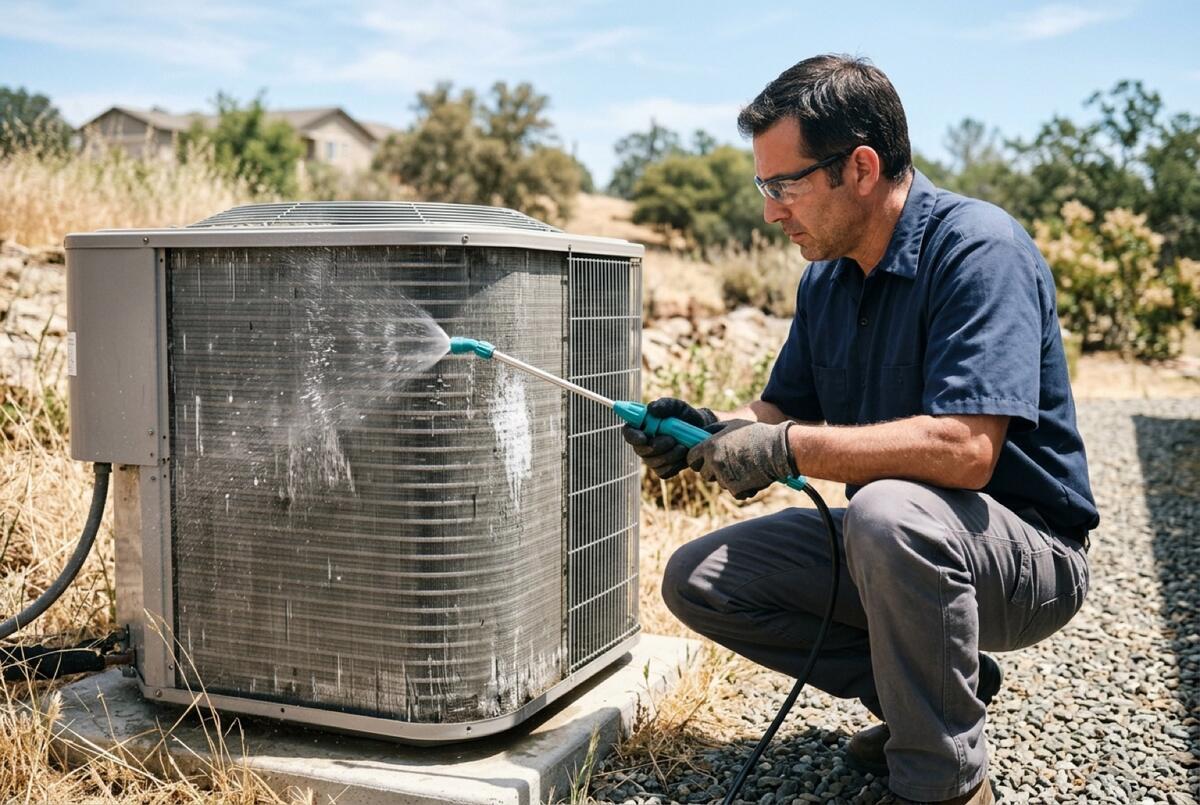
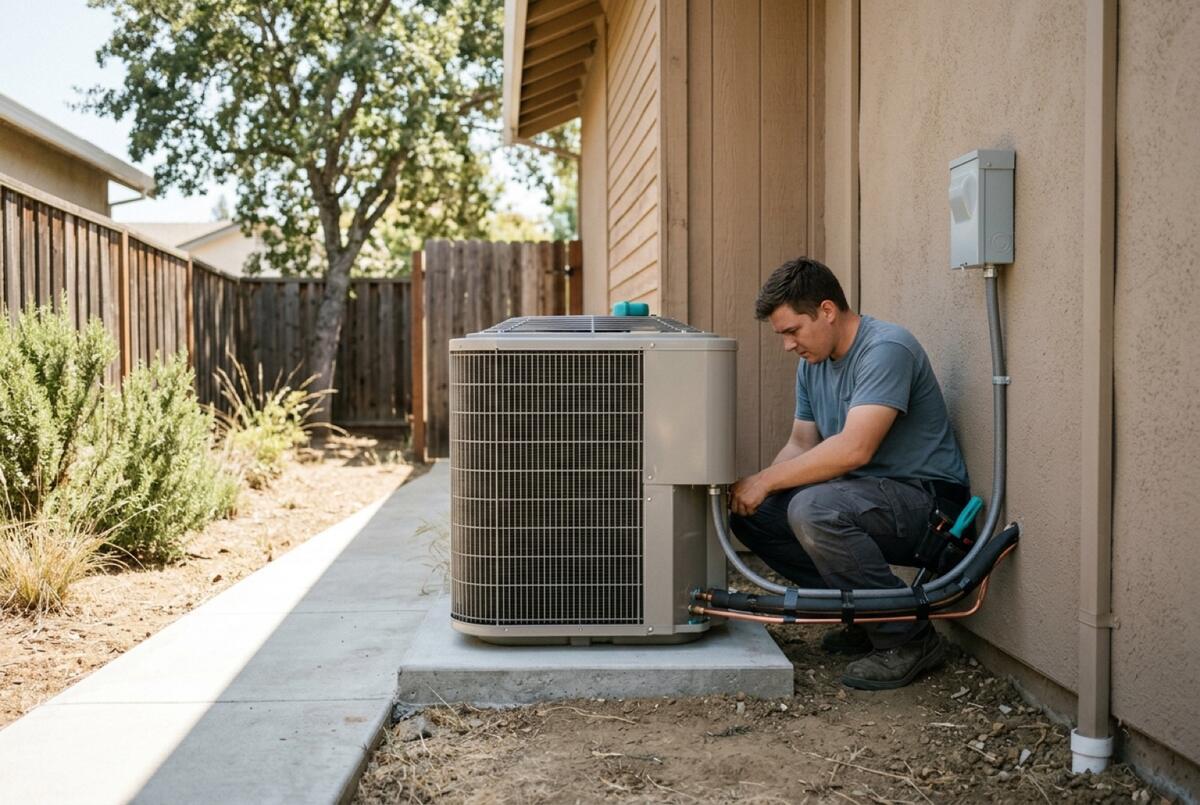
| Outdoor (condenser) coil | Fin condition, debris load, and how well the coil rejects heat | Pressures climbing in a heat wave, longer run times, and higher bills |
| Indoor (evaporator) coil | Dirt where the coil is accessible; temperature drop across it | Lost capacity and ice on the coil |
| Blower and airflow | Blower operation, static pressure, and filter condition | Weak vents and a frozen coil. ENERGY STAR (opens in new tab) notes airflow problems can cut efficiency by up to 15 percent. |
| Condensate drain and float switch | Drain flow, pan condition, and whether the float switch trips | Water in a ceiling under an attic air handler, or a float switch shutting the AC off |
| Electrical connections and motors | Tightness of connections; voltage and current on the motors | Overheated wiring, shortened motor life, and unsafe operation |
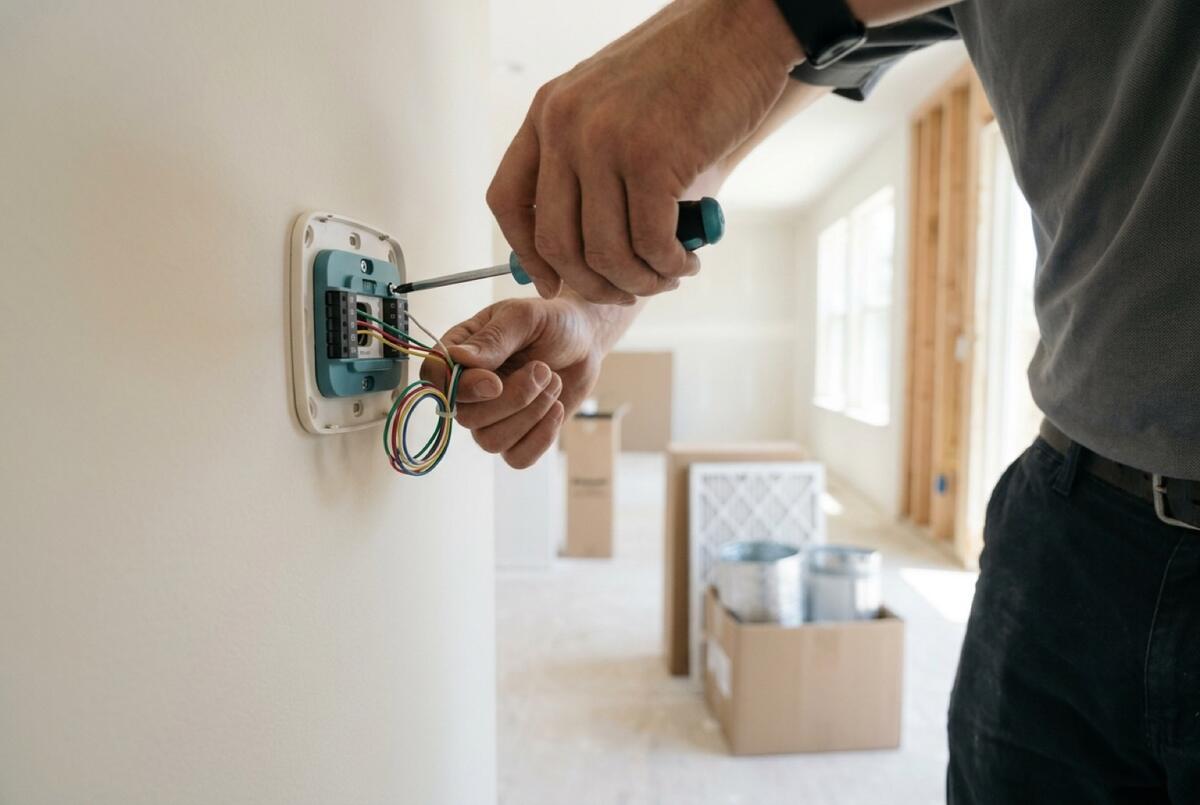
| Thermostat and controls | Settings, plus the start-up and shut-off sequence | A system that short-cycles or never starts the cooling call |
AC Maintenance by city
Each city page is written for that city's permits, electric utility, and housing stock — not a swapped city name.
- AC Maintenance in SacramentoSMUD electric / PG&E gas
- AC Maintenance in Elk GroveSMUD electric / PG&E gas
- AC Maintenance in RosevilleRoseville Electric Utility electric / PG&E gas
- AC Maintenance in FolsomSMUD electric / PG&E gas
- AC Maintenance in Rancho CordovaSMUD electric / PG&E gas
- AC Maintenance in Citrus HeightsSMUD electric / PG&E gas
- AC Maintenance in CarmichaelSMUD electric / PG&E gas
- AC Maintenance in Fair OaksSMUD electric / PG&E gas
- AC Maintenance in West SacramentoPG&E electric / PG&E gas
- AC Maintenance in DavisValley Clean Energy (generation) + PG&E (delivery) electric / PG&E gas
Common signs and when to call
- The system hasn't been serviced in over a year
- Cooling feels weaker than last summer, or bills crept up
- You hear new noises, or the unit takes longer to cool the house
- The filter is overdue and airflow has dropped off
- The condensate drain has clogged or overflowed before
- You're heading into summer with an older system you're unsure about
- The system short-cycled or tripped a breaker during a past hot spell
- The outdoor coil is packed with dust, cottonwood, or landscaping debris
How often should you get an AC tune-up?
Once a year, before cooling season. ENERGY STAR's maintenance checklist (opens in new tab) recommends annual pre-season check-ups by a contractor, with the cooling system in the spring and the heating system in the fall, because contractors get busy once summer and winter arrive. In the Sacramento area that means booking in spring, before the first heat wave.
An AC check-up in spring also leaves time to act on what it finds. A capacitor reading below its rating or a slow refrigerant leak is a scheduled repair in April. In July it's an emergency call, and you wait in line behind everyone else whose system quit the same week.
Filters run on a shorter clock. ENERGY STAR says to inspect, clean, or change the filter once a month. If you want the heating side covered too, see how seasonal maintenance visits work.
What does an AC tune-up cost?
It depends on your system, and you get a written quote before the visit is booked. Any repair the tune-up finds is quoted separately, in writing, before work starts. Nothing gets added on the spot.
The main price drivers are how many systems you have, where the equipment sits (an attic or a tight side yard takes longer than a ground-level closet), the condition of the coils and drain, and whether a low charge means a leak check is needed. The full list is under "What affects the cost" below.
When you compare offers, compare the checklist, not just the number. A low advertised tune-up price only helps if the visit includes the measurements in the table above.
Do you need a tune-up or a diagnostic?
A tune-up is for a system that's working. A diagnostic is for one that isn't. If the AC is blowing warm air, tripping a breaker, icing up, or dripping water at the indoor unit, you need AC repair, not maintenance. A tune-up checklist won't trace a failure the way a diagnostic does.
Before you book either one, the AC-not-cooling checklist covers the safe checks you can do yourself. Two symptoms have their own guides: ice on the lines or coil and water leaking from the indoor unit.
Written options
Example- 1.Repair the failed partA scary symptom is sometimes a small part.
- 2.Repair plus a related weaknessThe failure, plus the weak spot found on the same visit.
- 3.ReplaceWhen age, repair cost, refrigerant, and comfort math support it.
Why does Sacramento heat make a tune-up matter more?
Because long heat waves expose every weak part at once. A system that coasts through spring often fails once the valley strings together days over 100 and the house never fully cools off overnight. Attic duct temperatures climb far above the outdoor reading, so a marginal airflow problem in April becomes an obvious comfort failure in July.
The parts that fail are predictable. A capacitor loses capacitance as it ages. A pitted contactor eventually won't close on the hottest afternoon. A condenser coil packed with valley dust and cottonwood rejects heat poorly, so the system runs longer and pulls more power for less cooling. Our AC maintenance in Sacramento page covers the City of Sacramento specifics: SMUD power, PG&E gas, and the City's permit office if a tune-up turns into a replacement.
Does a tune-up fix airflow and hot rooms?
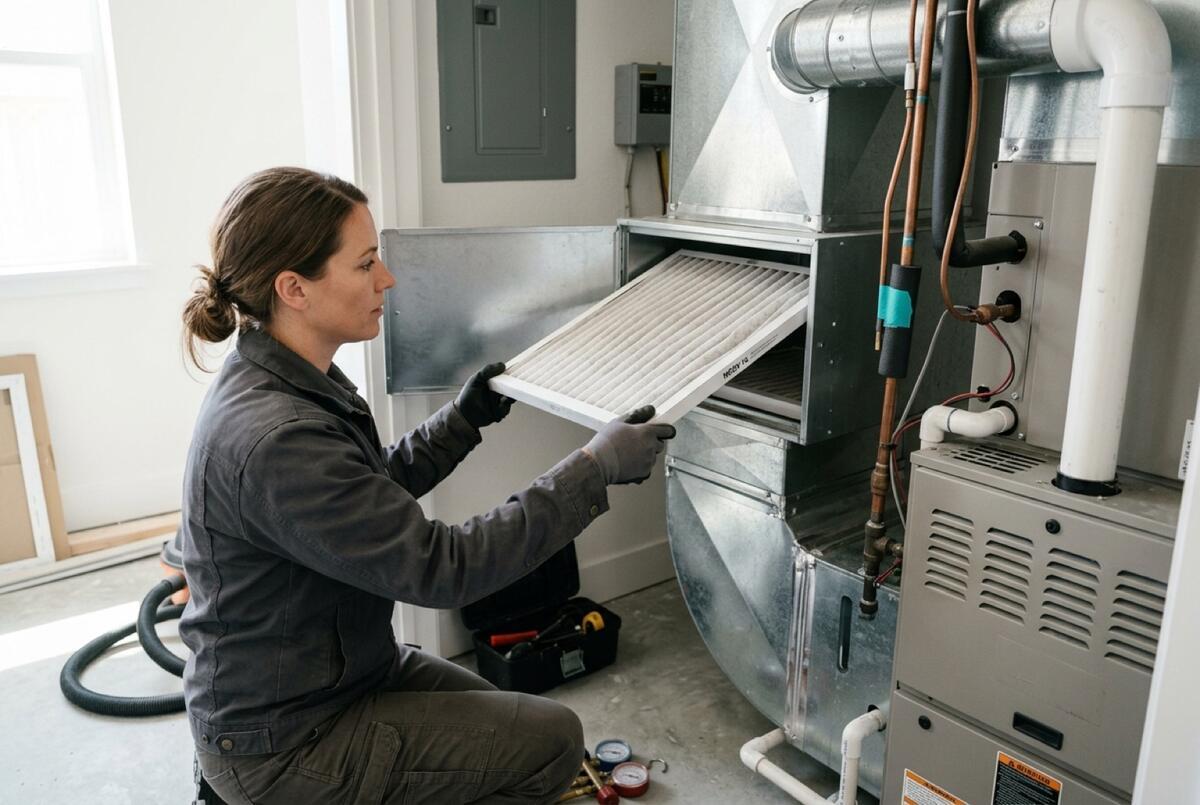
Partly. The technician checks the blower and static pressure, confirms the filter isn't choking return airflow, and looks at whether the return is undersized. A restricted filter or a small return drops airflow across the coil and can freeze it, which is the same symptom a low charge causes. That's why measuring beats guessing.
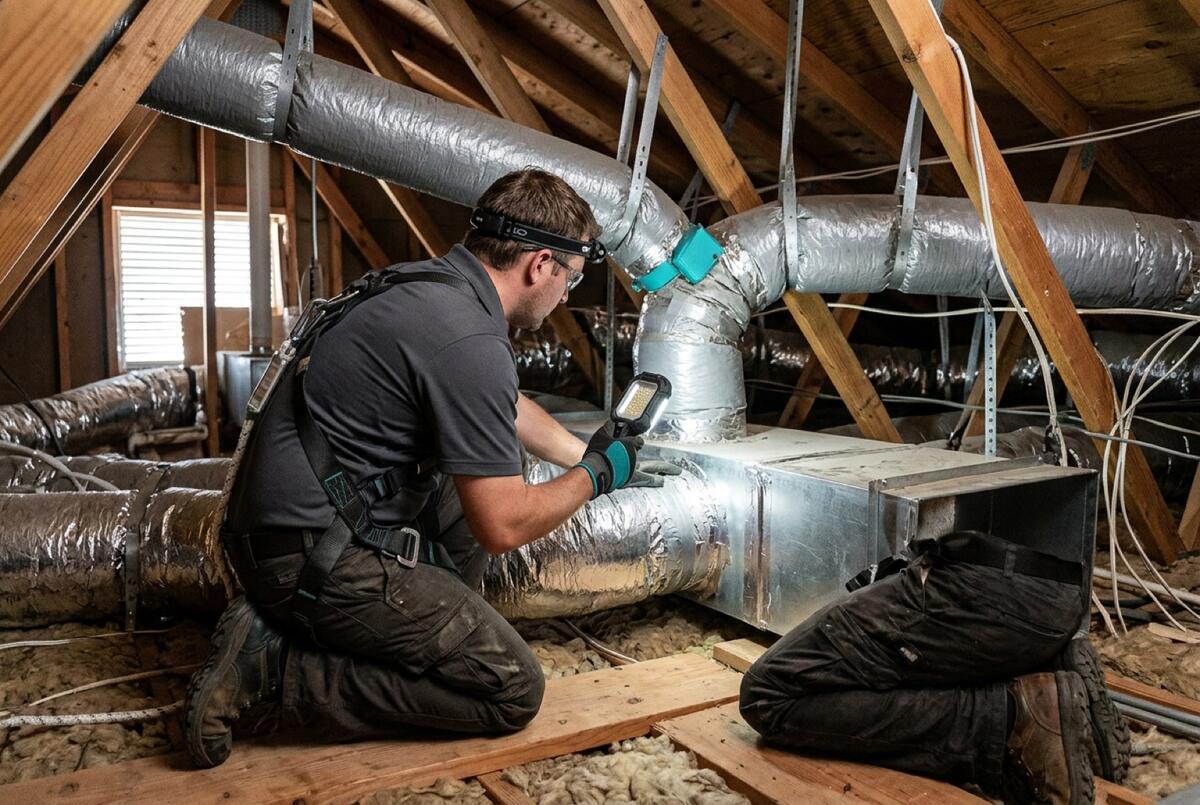
If hot rooms persist after a clean, correctly charged tune-up, the cause is usually the ducts, not the equipment. That's ductwork and airflow work. Clean filters and coils also help indoor air quality through smoke season, when a neglected filter recirculates more of what you're trying to keep out.
What can maintenance do, and what can't it?
Maintenance catches wear early and keeps a healthy system efficient. It won't make a worn-out system new. If the readings say the system is near the end, you get the repair-or-replace math instead of another tune-up pitch.
An honest tune-up gives you:
- A written checklist of what was inspected and the reading for each part
- Early warning on parts trending toward failure
- Better airflow and efficiency from a clean, correctly charged system
- A straight read on whether an aging system is worth maintaining or replacing
How it works
- 1
Inspect
Check the coil, capacitor, contactor, and overall system condition for wear and restriction.
- 2
Measure
Read refrigerant pressures, verify airflow, and confirm the system is holding its target charge.
- 3
Clean and clear
Address coil and filter restriction and clear the condensate drain so the system runs clean into summer.
- 4
Report
Give you a written summary of what was checked, what's healthy, and what's trending toward a future repair.
What affects the cost
- The number of systems and their size and configuration
- Access to the equipment (attic, roof, tight side yard) and its age
- The condition of the coil, filter, and drain at the time of service
- Whether a low refrigerant reading calls for a leak check
- Whether the visit turns up a repair, which is quoted separately in writing
- Whether it's a single cooling visit or a heating-plus-cooling seasonal schedule
Related services
AC Repair
Find the real failure. Fix what's actually broken.
Ductwork & Airflow
Fix the delivery, not just the equipment.
Air Quality
Cleaner air without the gimmicks.
AC Installation
Right-sized replacement with a written scope.
Thermostats
Controls that do what you tell them.
Related guides
What a 916air maintenance visit covers
The tune-up checklist, and why it matters before a Sacramento heat wave.
MaintenanceAC Not Cooling During a Sacramento Heat Wave? Start Here
AC running but not cooling during a Sacramento heat wave? Check the thermostat, filter, breaker, outdoor unit, and coil first — and know when it's time to call.
Guide · ReviewedAC Coil Freezing Up? Why It Ices Over and What to Do
Ice on your AC lines or indoor coil? Why it freezes in summer, how to thaw it safely, the causes you can check, and when a frozen AC needs a technician.
Guide · ReviewedAC Leaking Water Inside? Causes, Risks and What to Do
Water around the indoor unit or a stain under an attic air handler? Turn the AC off, then check the condensate drain, float switch and pan. Here's when to call.
Guide · ReviewedRepair or Replace Your HVAC System? A Sacramento Decision Guide
Deciding whether to repair or replace your AC or furnace? Weigh age, repair cost, refrigerant, efficiency, and comfort, plus the $5,000 test.
Guide · Reviewed
Frequently asked questions
Should the technician add refrigerant during a tune-up?
Only if the readings show the charge is low, and then the next question is why. Refrigerant circulates in a sealed loop and isn't used up, so a low charge usually means a leak. Topping it off without finding the leak buys a few weeks. Refrigerant work also falls under EPA's Section 608 rules, so it belongs to a certified technician, not a DIY kit.
Will a tune-up fix a system that's already struggling?
Maintenance keeps a healthy system healthy and catches early problems, but it won't make a worn-out system new. If the tune-up turns up a real failure or an aging system near the end of its life, we tell you honestly and lay out the repair-versus-replace math rather than selling maintenance on a system that needs more.
Why does only one part of my house get warm even after a tune-up?
That's usually an airflow or duct problem rather than a maintenance issue. Attic duct runs leak into extreme heat, and returns are often undersized. A tune-up checks airflow, but correcting hot rooms often means addressing the ductwork itself rather than anything an AC service visit can fix.
How often should I change my filter in Sacramento?
Check it monthly, as ENERGY STAR recommends, and replace it when it looks gray or matted. During wildfire smoke or with pets, that can mean every few weeks. A restricted filter is one of the most common causes of weak airflow and frozen coils: it starves the return, raises static pressure, and makes the whole system work harder for less cooling.
What AC maintenance can I do myself?
Keep the filter clean, keep supply vents and return grilles clear, and keep plants and debris a couple of feet from the outdoor unit. With the power off at the disconnect, you can rinse the outdoor coil gently with a garden hose. Leave electrical parts, refrigerant, and anything behind a panel to a technician.
Does maintenance really lower my energy bills?
It protects the efficiency the system was built with. A clean condenser coil, a correct refrigerant charge, and unrestricted airflow let the system reject heat without running long and hard. ENERGY STAR notes airflow problems alone can cut efficiency by up to 15 percent. Maintenance won't add efficiency an old system never had.
Schedule an AC tune-up for your Sacramento home
916air serves the greater Sacramento region. Send the details and we'll come back with a written, site-specific scope.