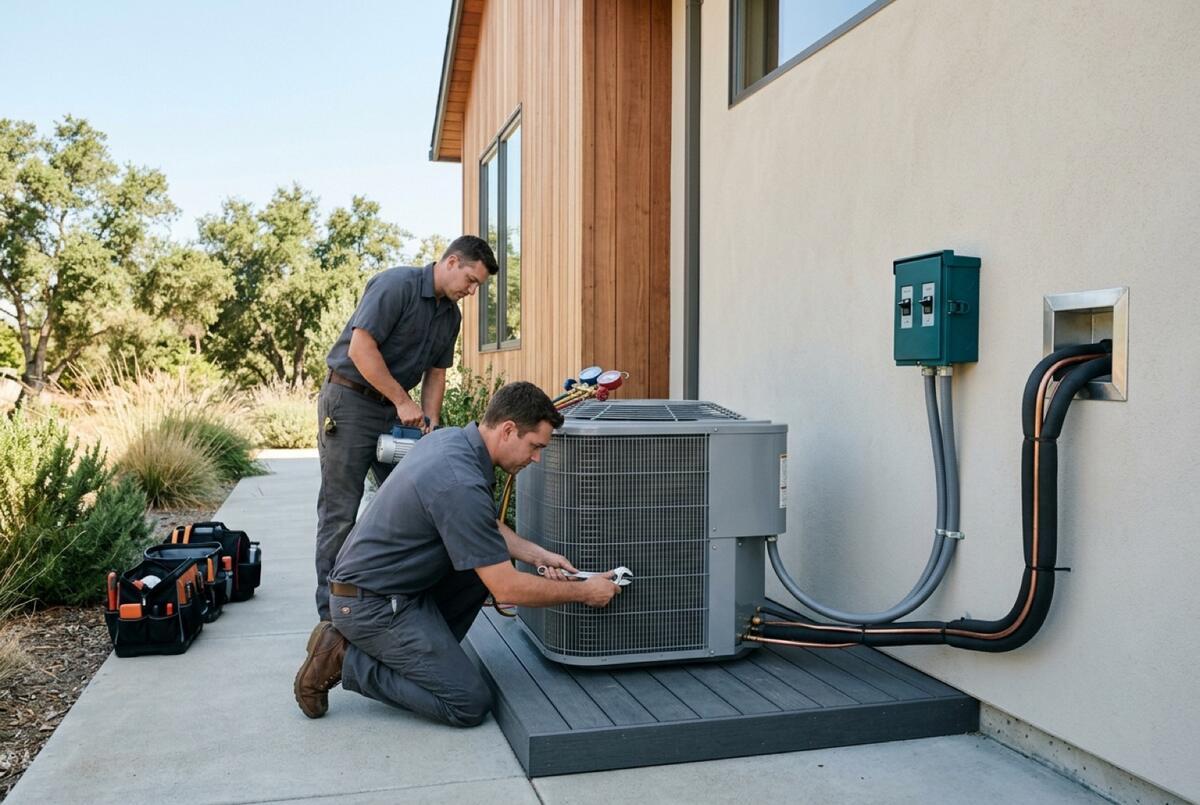
Heat Pump Installation in Sacramento
A heat pump handles both heating and cooling from one system. 916air sizes it to your home, checks whether your ducts and electrical panel are ready, and lays out the rebate basics — with a written scope before any equipment is ordered.
- Licensed technicians
- Diagnostic-first
- Written options
Is a heat pump a good fit for a Sacramento home?
How a heat pump actually works
A heat pump is an air conditioner that can run in both directions. In summer it moves heat out of the house, exactly like an AC. In winter a reversing valve flips the refrigerant flow so the same equipment pulls heat out of the outdoor air and delivers it inside — even cold air holds usable heat. Because it moves heat rather than burning fuel, a heat pump delivers more heating energy than the electricity it consumes, which is why it can be cheaper to run than resistance heat or, depending on rates, gas. Modern variable-speed (inverter) heat pumps ramp their output up and down instead of cycling on and off, which holds temperature more steadily and improves both comfort and efficiency. The heat pump repair page covers the reversing valve and defrost hardware in more depth if you want to understand what's inside the system you're buying.
Heat Pump Install by city
Each city page is written for that city's permits, electric utility, and housing stock — not a swapped city name.
- Heat Pump Install in SacramentoSMUD electric / PG&E gas
- Heat Pump Install in Elk GroveSMUD electric / PG&E gas
- Heat Pump Install in RosevilleRoseville Electric Utility electric / PG&E gas
- Heat Pump Install in FolsomSMUD electric / PG&E gas
- Heat Pump Install in Rancho CordovaSMUD electric / PG&E gas
- Heat Pump Install in Citrus HeightsSMUD electric / PG&E gas
- Heat Pump Install in CarmichaelSMUD electric / PG&E gas
- Heat Pump Install in Fair OaksSMUD electric / PG&E gas
- Heat Pump Install in West SacramentoPG&E electric / PG&E gas
- Heat Pump Install in DavisValley Clean Energy (generation) + PG&E (delivery) electric / PG&E gas
Common signs and when to call
- Your AC and furnace are both near the end of their service life, so replacing them separately means buying two systems
- You want to reduce reliance on gas heating without giving up cooling
- Your current system struggles to hold temperature during long Sacramento heat waves
- You're weighing whether SMUD heat pump incentives could offset part of an upgrade
- You're building an addition or ADU and want one efficient system to cover it
- You'd rather compare a right-sized heat pump against a like-for-like AC-and-furnace swap before deciding
- You're tired of maintaining two separate systems and want to consolidate to one
Why sizing decides whether a heat pump works
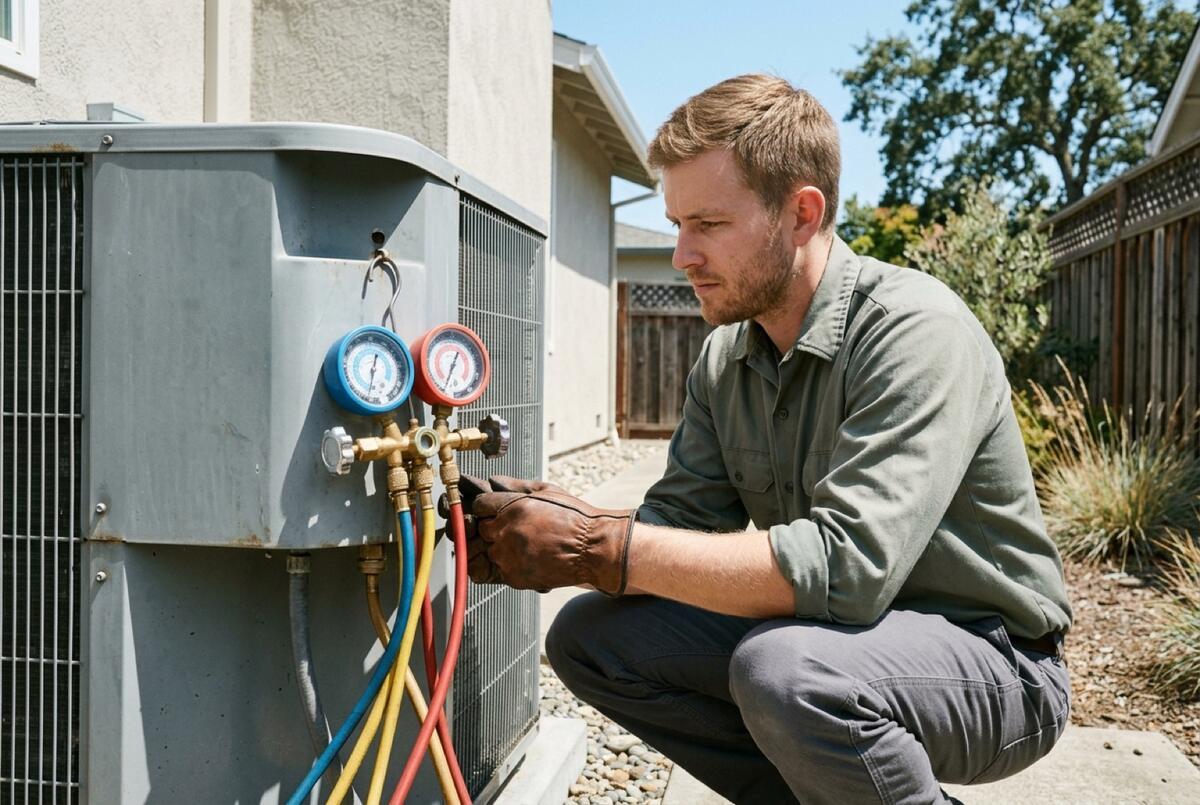
A heat pump that's too large short-cycles, leaves rooms unevenly conditioned, manages humidity poorly, and wears out faster; one that's too small can't keep up on the hottest and coldest days. The right size comes from a Manual J load calculation that accounts for your square footage, insulation, windows, orientation, and duct condition — not a rule of thumb off the old equipment's tonnage. Because a heat pump has to satisfy both the summer cooling load and the winter heating load, sizing it is a balancing act: sized purely for peak heating it may be oversized for cooling, and vice versa. That's where equipment selection and staging matter, and where a real load calculation earns its keep. We run that math first so the system you buy actually matches the house you have — the heat pump cost guide gives a planning range once the size is known.
Ducts and electrical: the parts people forget
A heat pump moves a higher volume of air at lower supply temperatures than a gas furnace, so undersized returns or leaky duct runs that were tolerable before can become a comfort problem after. If the airflow can't keep up, the system runs longer, leans on backup heat, and never feels as warm as it should. Heat pumps also run entirely on electricity, so the install sometimes means confirming the electrical panel and circuit can support the equipment, and adding a dedicated 240-volt circuit. Older homes with a full or dated panel may need panel work as part of the project — better to know that in the estimate than to discover it mid-install. We inspect the ductwork and airflow and the electrical side up front and tell you plainly whether either needs work before it becomes a surprise.
| What the estimate checks | Why it matters for a heat pump |
|---|---|
| Load calculation (Manual J) | One system has to meet both the summer cooling load and the winter heating load |
| Returns and duct leakage | A heat pump moves more air at lower supply temperatures, so leaks and small returns a furnace tolerated can cause comfort problems |
| Electrical panel and circuit | It runs entirely on electricity and may need a dedicated 240-volt circuit or panel work in older homes |
| Backup heat | Electric strips or a dual-fuel gas furnace carry the load on the few coldest mornings |
Refrigerant, backup heat, and cold mornings
New heat pumps ship with R-410A or the newer low-GWP refrigerants phasing in industry-wide, not the obsolete R-22 that dead-ended older AC systems — so you're starting fresh on the refrigerant side. On Sacramento's coldest mornings, a heat pump works hardest and its output drops somewhat as outdoor temperature falls; most systems include backup heat (electric strips, or a gas furnace in a dual-fuel setup) that carries the load on those few coldest days. For most local homes a properly sized heat pump is the primary heat source and the backup rarely runs, but where a home's insulation or layout makes a dual-fuel pairing smarter, we'll say so in the scope rather than defaulting to strips. Our refrigerant transition explainer covers what the R-410A phase-down means for new equipment.
Rebates and Sacramento's climate
What we cover before you commit:
- Whether the project may qualify for current SMUD heat pump incentives — eligibility depends on the program, the equipment, and contractor requirements, so we verify rather than assume or promise an amount
- How Sacramento's mild winters make a heat pump a practical primary heat source for most homes
- How the equipment's rated efficiency translates to running cost during long cooling seasons
- Whether a dual-fuel pairing or backup heat makes sense for your home's coldest-morning load
- A written scope covering equipment, duct and electrical work, refrigerant, and permit requirements
- SMUD
- Sacramento, Elk Grove, Folsom, Rancho Cordova, Citrus Heights, Carmichael and Fair Oaks
- Roseville Electric Utility
- Roseville
- PG&E
- West Sacramento
- Valley Clean Energy (generation) + PG&E (delivery)
- Davis
How it works
- 1
Assess
Run a Manual J load calculation and inspect your ducts and electrical capacity so the recommendation fits the actual home.
- 2
Compare options
Lay out heat pump sizing and equipment choices against a straight AC-and-furnace replacement, with the tradeoffs in plain language.
- 3
Scope and rebates in writing
Provide a written scope with equipment, duct/electrical needs, permit requirements, and any rebate basics that may apply to a qualifying project.
- 4
Install and verify
Complete the installation to the written scope and confirm the system holds its target heating and cooling performance before we leave.
What affects the cost
- System size and efficiency rating, driven by the Manual J load calculation rather than the old equipment
- Single-stage versus two-stage or variable-speed (inverter) equipment
- Whether existing ductwork can carry the higher airflow or needs sealing, resizing, or added returns
- Electrical work required to support the equipment, including a dedicated circuit or panel upgrade
- Permit requirements, which vary by jurisdiction across the Sacramento region
- Whether the project qualifies for current rebate programs — eligibility depends on the program, equipment, and contractor requirements, so it isn't guaranteed
See planning ranges in the Heat Pump Cost in Sacramento: Planning Ranges.
Planning tools
HVAC replacement cost calculator
Planning ranges for AC, furnace, heat pump, and mini-split replacement.
Related services
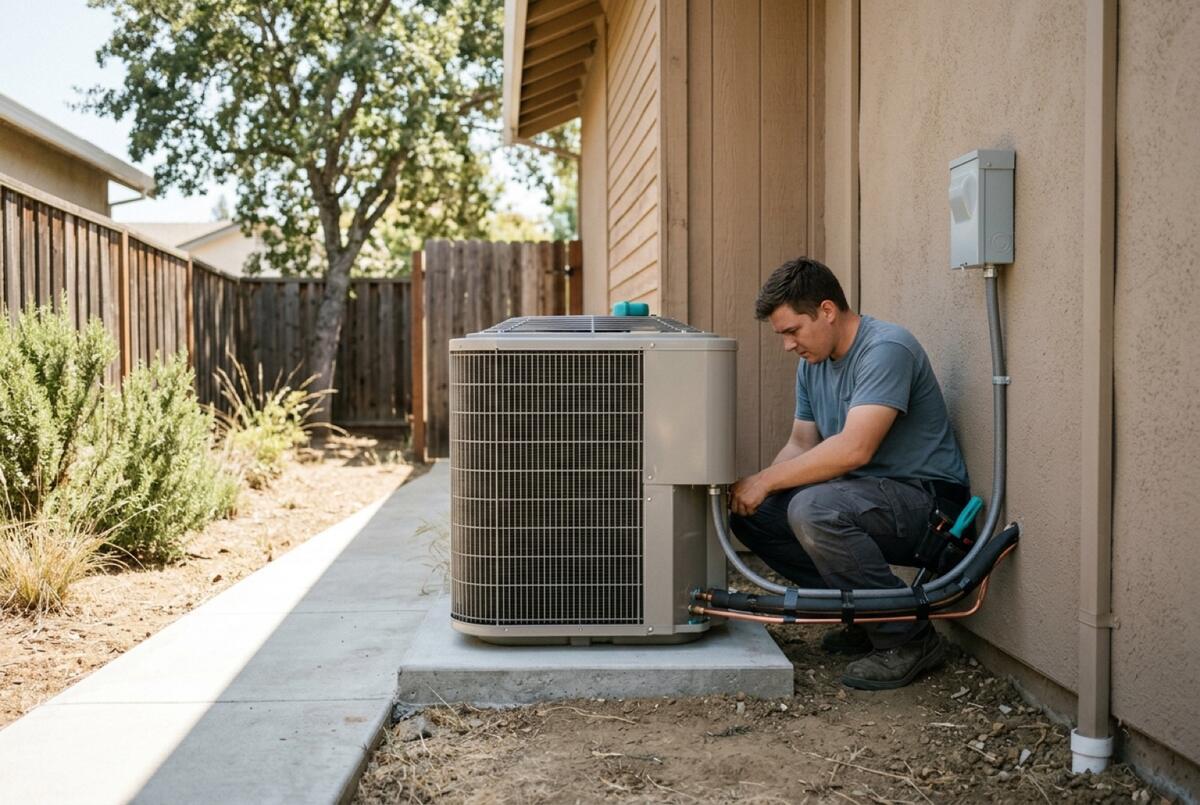
AC Installation
Right-sized replacement with a written scope.
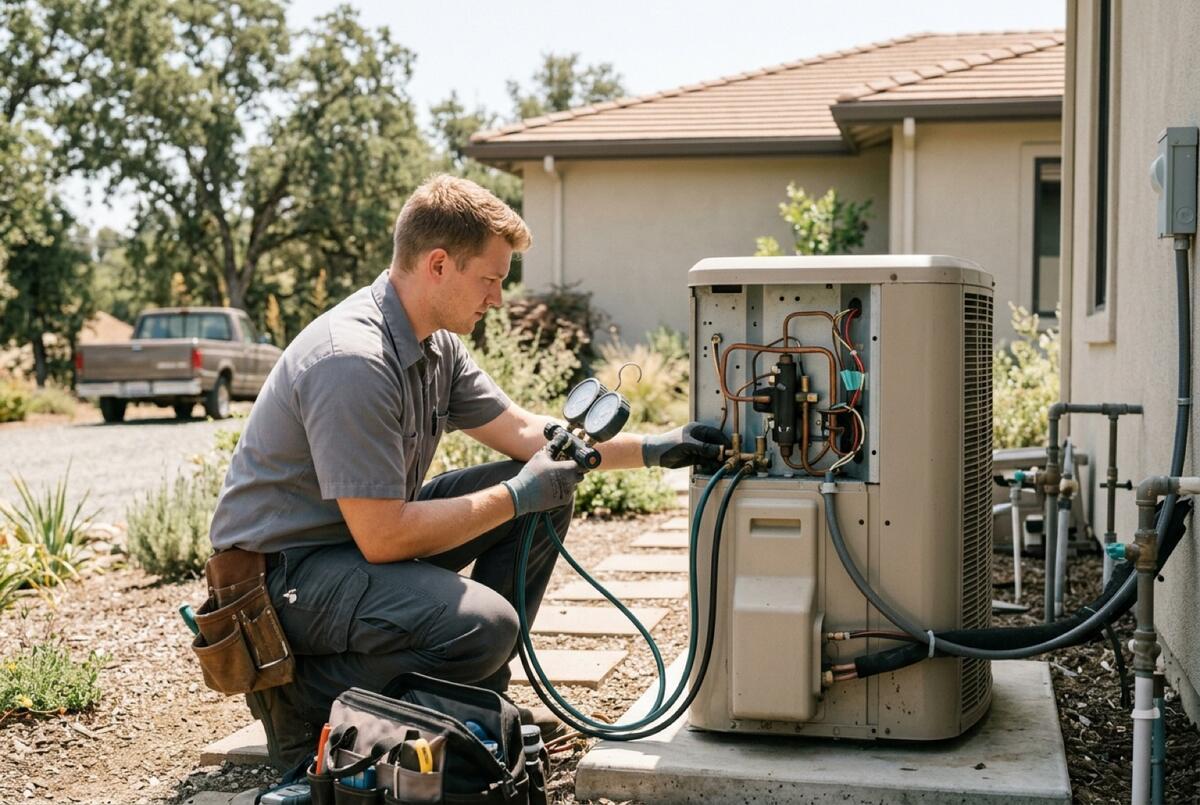
Heat Pump Repair
Repairs that respect the system's math.
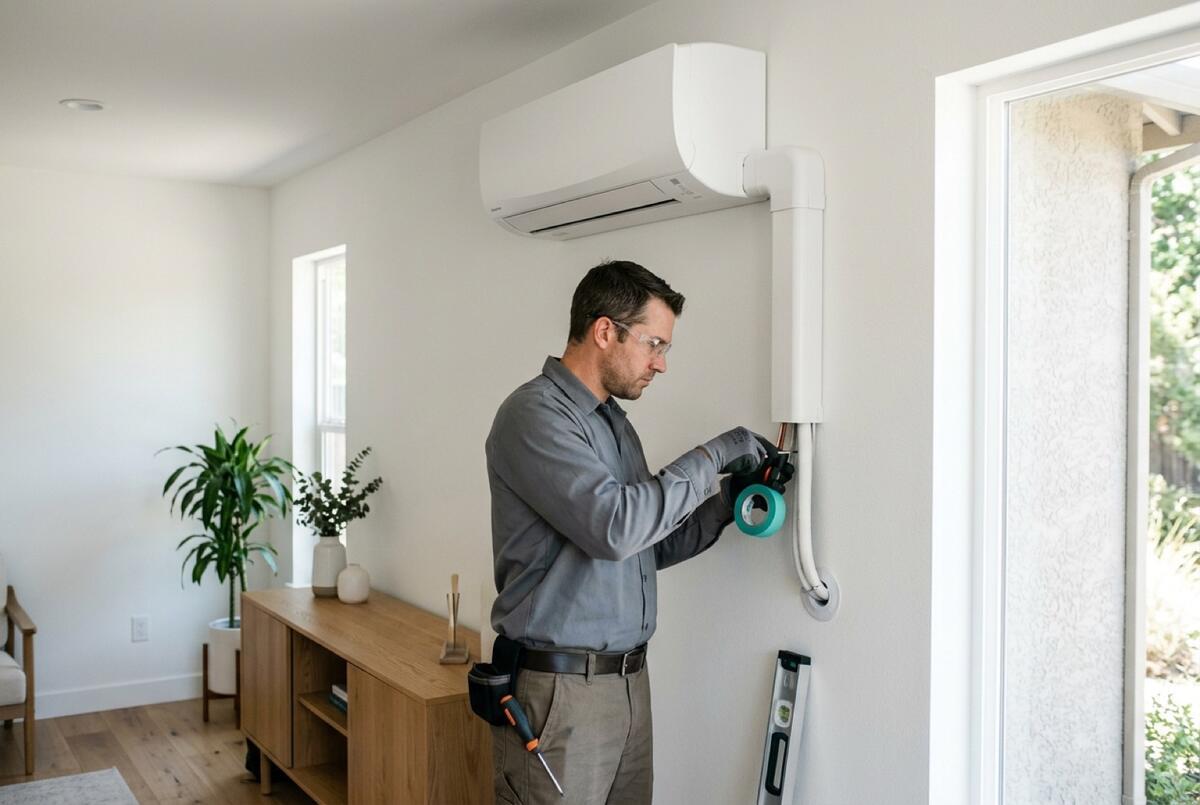
Mini-Splits
Comfort for the rooms the ducts forgot.
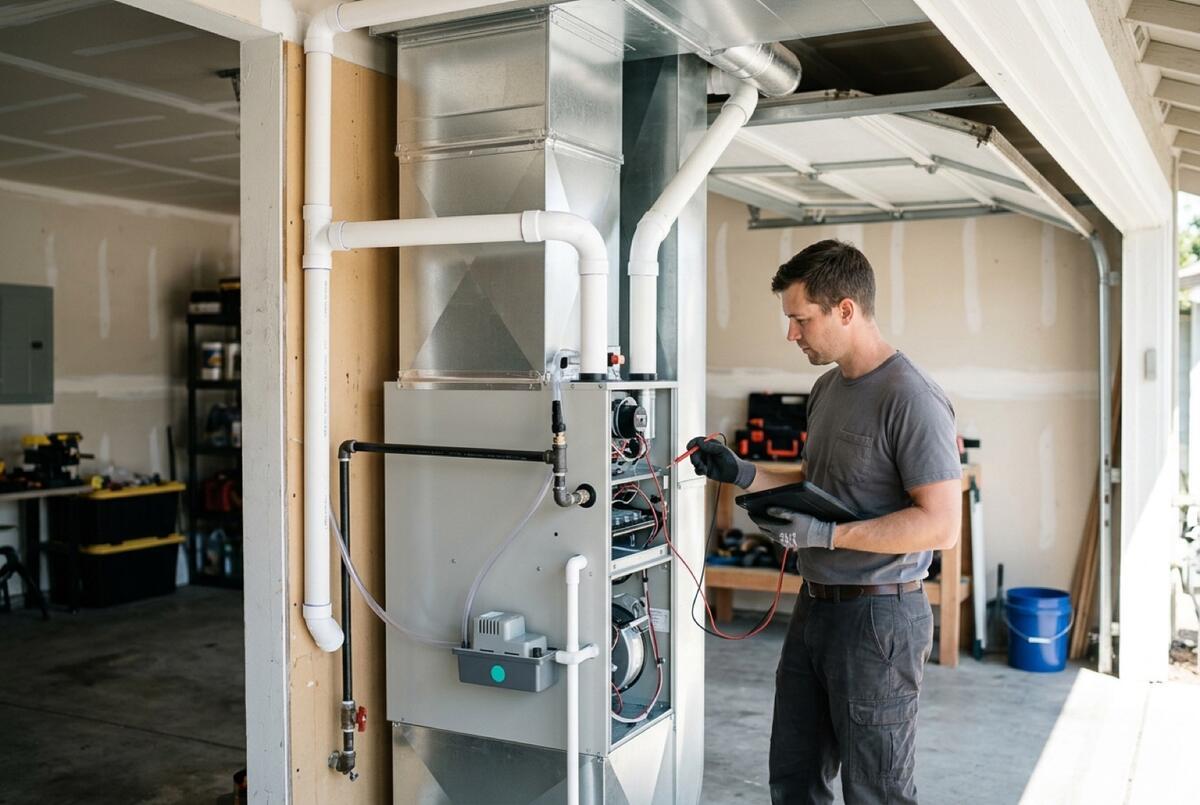
Furnace Installation
The right heat source, not the default one.
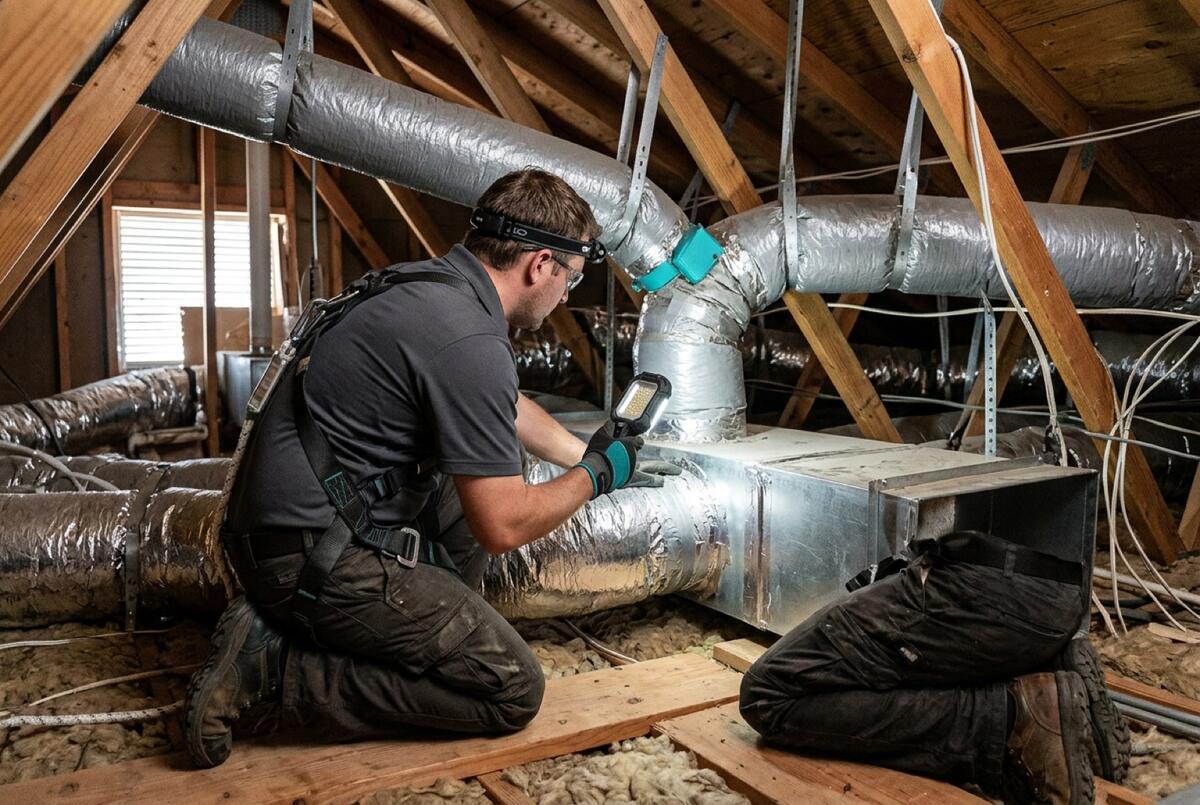
Ductwork & Airflow
Fix the delivery, not just the equipment.
Related guides
SMUD Heat Pump Rebates: What Sacramento Homeowners Should Know
SMUD offers heat pump rebates for qualifying Sacramento-area homes, but amounts and eligibility change. Here's how the program works and what to verify first.
Guide · ReviewedThe R-410A Refrigerant Transition: What It Means for Your AC
New AC systems use lower-GWP refrigerant, existing R-410A systems can still be serviced, and older R-410A stock can still be installed. What that means for you.
Guide · ReviewedRepair or Replace Your HVAC System? A Sacramento Decision Guide
Deciding whether to repair or replace your AC or furnace? Weigh age, repair cost, refrigerant, efficiency, and comfort, plus the $5,000 test.
Guide · ReviewedDo You Need a Permit to Replace HVAC in Sacramento?
Replacing an AC or furnace in the Sacramento area needs a permit — and who issues it depends on your city or unincorporated county address. Here's how it works.
Guide · ReviewedHeat Pump vs. Gas Furnace in Sacramento: Cost, Comfort, and Rebates
Heat pump, gas furnace or dual fuel? Compare comfort, the utility that serves your city, SMUD rebates, and duct and panel needs, with dated official sources.
Guide · Reviewed
Frequently asked questions
Does a heat pump actually heat well enough for Sacramento winters?
Yes. Sacramento's winters are mild by national standards, and modern heat pumps hold their heating output well through the temperatures the region sees. For most homes a properly sized heat pump works as the primary heat source; where a backup or a dual-fuel pairing makes sense for the coldest mornings, we'll say so as part of the scope.
Are heat pump rebates available?
Qualifying projects in SMUD territory may have rebate options, but eligibility depends on the current program, the equipment installed, and contractor requirements. We walk through the basics and point you to the program details rather than promising an amount or approval, since those rules can change.
Do I need a permit to install a heat pump?
HVAC change-outs require permits in this region, and the jurisdiction depends on where you live — city versus county. We factor the permit requirement into the written scope so it isn't a surprise. See our permit guide for how it works by area.
Is a heat pump better than replacing my AC and furnace separately?
It depends on your home, your ducts, your electrical capacity, and how long you plan to stay. A heat pump combines both systems into one and can be more efficient, but a like-for-like replacement is sometimes the better fit. We compare both paths with the real numbers instead of steering you toward one by default — our repair-vs-replace guidance helps frame the decision.
Will I need an electrical panel upgrade for a heat pump?
Sometimes. A heat pump needs a dedicated 240-volt circuit, and if it includes electric backup heat that adds load too. Homes with a full or dated panel may need panel work; many don't. We check the panel and available capacity during the assessment and put any electrical work in the written estimate rather than leaving it as a mid-install surprise.
What refrigerant do new heat pumps use?
New heat pumps use R-410A or the newer lower-GWP refrigerants now phasing in across the industry — not the obsolete R-22 that made old AC repairs a dead end. Starting with current refrigerant means parts and service stay supportable for the life of the system. Our refrigerant transition explainer covers what the phase-down means if you're comparing new equipment.
How efficient is a heat pump compared to my gas furnace?
Because a heat pump moves heat rather than creating it by burning fuel, it delivers more heating energy than the electricity it draws — so running cost depends on your electric rates versus gas prices. In cooling season it's simply a high-efficiency AC. We can walk through how the equipment's efficiency rating translates to your situation, but we don't promise a specific dollar savings since it varies by home and utility rates.
Get a heat pump installation estimate for your Sacramento home
916air serves the greater Sacramento region. Send the details and we'll come back with a written, site-specific scope.