Indoor Air Quality Services in Sacramento
Filtration, ventilation, and humidity control matched to the system you already have. 916air explains what each option actually does — and what it doesn't — so you spend on the parts that make a measurable difference.
- Licensed technicians
- Diagnostic-first
- Written options
Which indoor air quality upgrades are worth it?
Filtration that your system can actually move air through
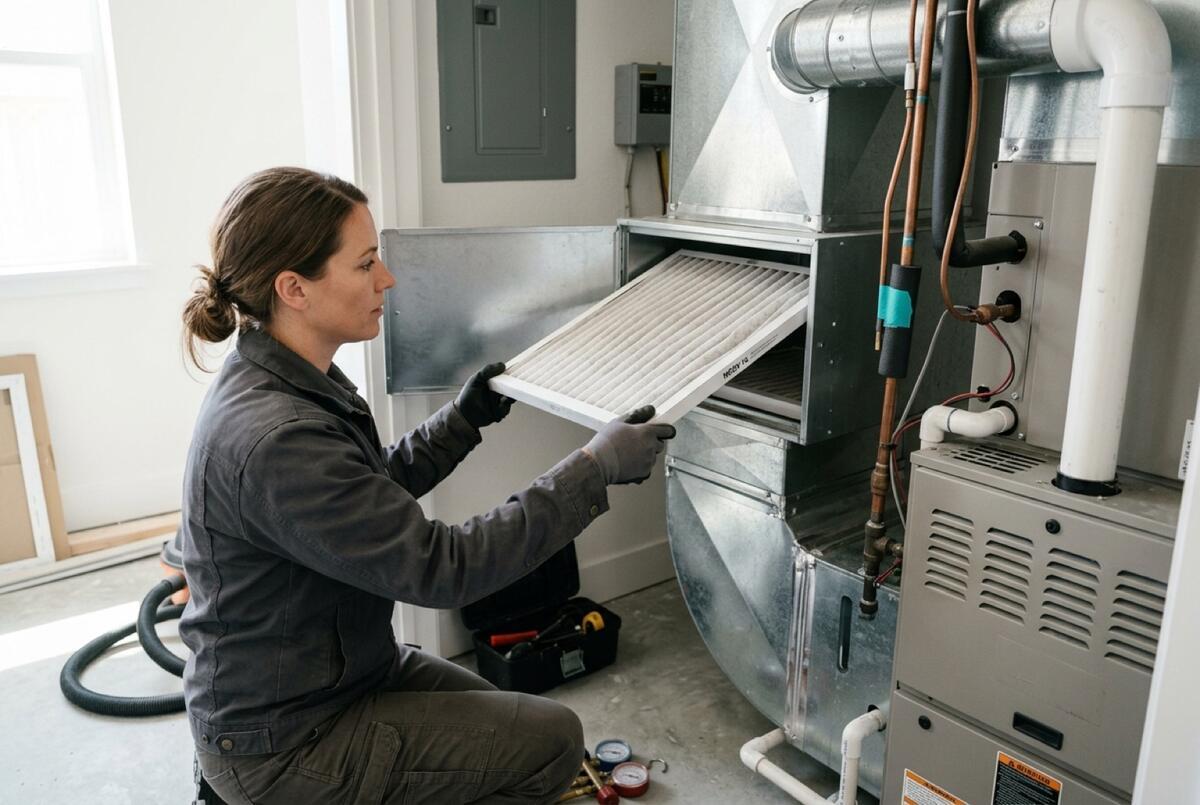
A denser, higher-MERV filter captures more particulate, but it also restricts airflow — and a blower that wasn't designed for it will struggle, which can hurt both comfort and equipment life. That tradeoff is the whole game. We look at what your system can handle and recommend a filter or a properly sized media cabinet that improves filtration without choking airflow, instead of the highest number on the shelf. Because filtration and airflow are two sides of the same system, this work overlaps directly with ductwork and airflow: a restrictive filter raises static pressure the same way an undersized return does.
Air Quality by city
Each city page is written for that city's permits, electric utility, and housing stock — not a swapped city name.
- Air Quality in SacramentoSMUD electric / PG&E gas
- Air Quality in Elk GroveSMUD electric / PG&E gas
- Air Quality in RosevilleRoseville Electric Utility electric / PG&E gas
- Air Quality in FolsomSMUD electric / PG&E gas
- Air Quality in Rancho CordovaSMUD electric / PG&E gas
- Air Quality in Citrus HeightsSMUD electric / PG&E gas
- Air Quality in CarmichaelSMUD electric / PG&E gas
- Air Quality in Fair OaksSMUD electric / PG&E gas
- Air Quality in West SacramentoPG&E electric / PG&E gas
- Air Quality in DavisValley Clean Energy (generation) + PG&E (delivery) electric / PG&E gas
Common signs and when to call
- Rooms collect dust quickly even with regular filter changes
- Wildfire-smoke days push outdoor particulate indoors and the current filter can't keep up
- The air feels stale in a tightly sealed or newer home with little fresh-air exchange
- Winter air runs dry enough to be uncomfortable
- A high-MERV filter was installed and now airflow feels weaker (a common mismatch)
- You want a filtration or ventilation option but aren't sure what your system can actually handle
- The 1-inch filter slot fills and clogs fast, and you're wondering whether a thicker media filter would last longer

MERV ratings, explained without the marketing
MERV — Minimum Efficiency Reporting Value — reports how well a filter captures particles between 0.3 and 10 microns, on a scale of 1 to 16, per the EPA (opens in new tab); the higher the rating, the better the filter traps those particle sizes. EPA's advice for an upgrade is a filter rated at least MERV 13, or as high a rating as your system fan and filter slot can accommodate. Here's the part the packaging leaves out: a filter's MERV rating only helps if your blower can move air through it. Dropping a very high-MERV 1-inch filter into a system built for a basic one raises static pressure, weakens airflow, and can freeze a coil or strain the blower — you get worse comfort and a marginal filtration gain. The usable sweet spot for most homes is a filter that meaningfully improves capture while staying within what the equipment can push, which is why we measure before recommending rather than chasing the biggest number.
Media filters vs. the 1-inch slot
The thin 1-inch filter most homes use is a compromise: it's easy to buy, but it has little surface area, so a high-MERV version of it clogs fast and chokes airflow. A whole-home media filter solves the tradeoff with geometry. A 4- to 5-inch-deep pleated media cabinet has far more surface area than a 1-inch filter, so it can reach a higher MERV rating while presenting less resistance to the blower — better capture and better airflow at the same time. It also lasts far longer between changes, often many months instead of weeks. The catch is that a media cabinet has to be installed into the return or air-handler, which takes space and modification, so it isn't right for every system. We check whether your setup has room for one and whether it's a better spend than a filter upgrade before recommending it. Getting the filter housing right also pairs well with a routine AC maintenance schedule, since the two share the same airflow path.
| Filter setup | Surface area | Airflow impact | How often to change |
|---|---|---|---|
| Basic 1-inch filter | Little | Least resistance when clean; mainly stops larger particles | Check monthly and change at least every 3 months (ENERGY STAR (opens in new tab)) |
| High-MERV 1-inch filter | Little | Clogs fast, raises static pressure, and can freeze a coil or strain the blower | Loads up in weeks rather than months |
| 4- to 5-inch media cabinet | Far more | Reaches a higher MERV with less resistance to the blower | Often many months between changes |
Ventilation and humidity, explained plainly
Filtration removes particles from the air already inside; ventilation brings in fresh air and dilutes what builds up in a tight home; humidity control addresses dryness or excess moisture. These solve different problems, and not every home needs all three. Ventilation matters most in newer, tightly sealed homes where little outside air exchanges naturally — a controlled fresh-air intake or an energy-recovery ventilator brings measured fresh air in without simply throwing a window open to smoke or heat. Humidity control addresses the dry winter air common in the valley, or excess moisture where that's the issue; a whole-home humidifier or dehumidifier ties into the system to hold a target range. We describe what each does in mechanical terms and help you decide which — if any — is worth adding, without overstating the result.
Smoke season and keeping windows shut
Wildfire smoke is a recurring valley reality, and it changes how you use the whole system. When the outdoor air is smoky, the strategy is to keep windows closed and let the HVAC system's filtration handle what's already inside while ventilation is dialed back so you're not pulling smoke in. That's exactly when filtration capacity earns its keep: EPA points homeowners who upgrade toward at least MERV 13, and a media cabinet is often what lets a system run that level without starving the blower. Running the system's fan continuously during smoke events keeps air moving through the filter rather than only when heating or cooling calls. None of this makes the air outdoor-clean, and we don't claim it treats any condition — it's about capturing more of what's circulating indoors. If reducing smoke-season particulate is your main goal, sizing the filtration correctly matters more than any single gadget, and it's worth pairing with a thermostat that can hold the fan in continuous-circulation mode.
Sacramento dust and smoke season
Local realities we design around:
- Wildfire-smoke days can drive fine outdoor particulate indoors, so filtration capacity matters most when you're keeping windows shut
- The valley's dry, dusty stretches load up filters faster than a filter-change reminder assumes
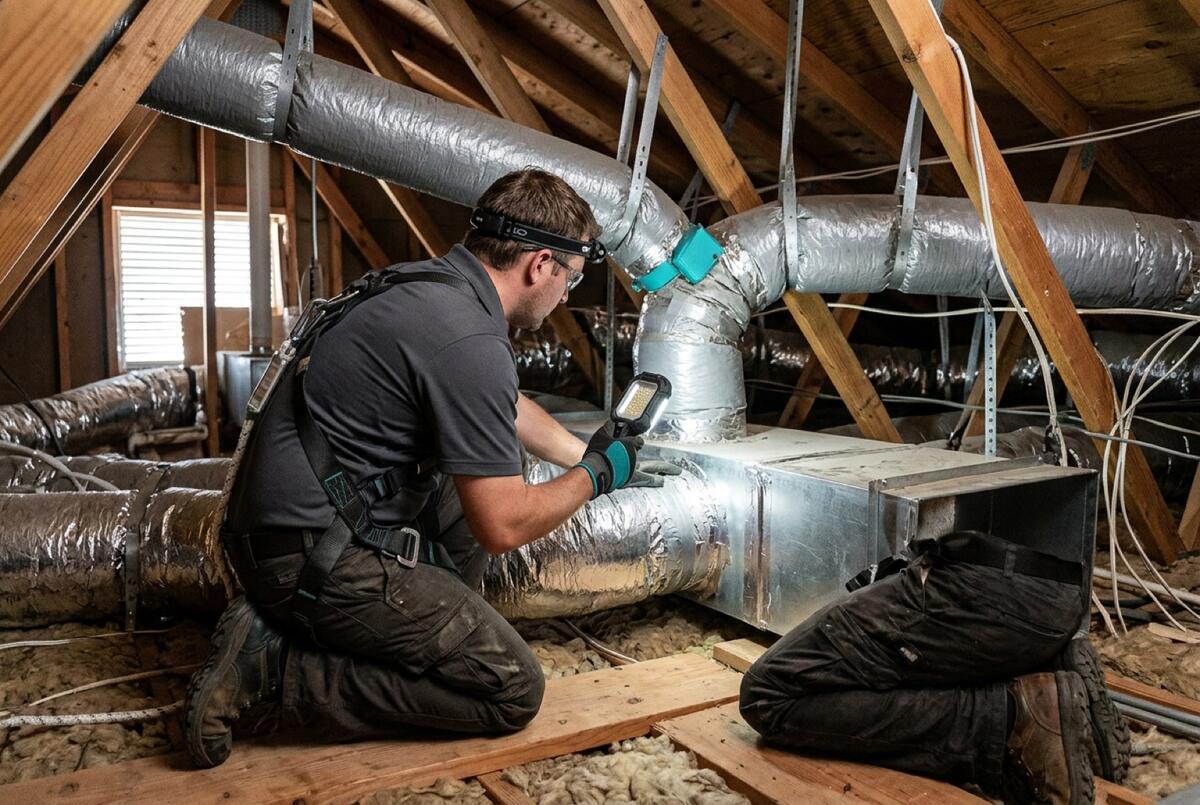
- Older Sacramento ductwork can pull in attic and crawlspace dust, so sealing the ducts sometimes does more than a fancier filter
- Dry winter air is common enough that humidity control is worth considering, while summer humidity is rarely the problem here
- We keep the recommendations factual — better filtration and ventilation change what's in your air; we don't make claims about health outcomes
How it works
- 1
Assess
Look at your system, blower capacity, ductwork, and what you're trying to reduce before recommending anything.
- 2
Explain the options
Describe what filtration, ventilation, and humidity control each do — and what they don't — so the choice is informed.
- 3
Match to your system
Recommend equipment your blower and ducts can actually support, with the tradeoffs spelled out in writing.
- 4
Install and verify airflow
Install the selected option and confirm airflow still meets the system's target rather than choking it.
What affects the cost
- The type of solution — filter upgrade, whole-home media cabinet, ventilation, or humidity control
- Whether your ductwork and blower can support higher-MERV filtration without airflow loss
- Any modifications needed to fit a media cabinet or ventilation component into the existing system
- Ongoing filter or media replacement needs, which vary by product and by MERV rating
- Whether duct sealing would address the source more effectively than added filtration
- For ventilation, whether the home is tight enough to benefit and where an intake can be routed
Related services
Ductwork & Airflow
Fix the delivery, not just the equipment.
AC Maintenance
Ready before the first heat wave.

Thermostats
Controls that do what you tell them.
Related guides
AC Not Cooling During a Sacramento Heat Wave? Start Here
AC running but not cooling during a Sacramento heat wave? Check the thermostat, filter, breaker, outdoor unit, and coil first — and know when it's time to call.
Guide · Reviewed
Frequently asked questions
Will a better filter clean up my air during smoke season?
Higher-capacity filtration captures more fine particulate, which is what wildfire smoke brings indoors, so it can meaningfully reduce what's circulating when you keep windows closed. It doesn't make indoor air outdoor-clean, and we make no health claims about it. The catch is airflow: the filter has to match what your blower can move. We size filtration to your system so it helps without restricting airflow.
Should I just install the highest-MERV filter I can find?
Usually not. A very dense filter restricts airflow, and if your blower wasn't designed for it, you can lose comfort and strain the equipment. The right filter balances capture against airflow. EPA's guidance for an upgrade is at least MERV 13, or as high as your system fan and filter slot can accommodate, and a deeper media cabinet is often what makes that possible without choking the blower. We check what your system can handle and recommend accordingly.
What MERV rating should I actually use?
EPA's guidance is at least MERV 13 if you upgrade, or as high a rating as your system fan and filter slot can accommodate. Going higher only helps if the system was built or modified for it — otherwise you trade airflow for a small filtration gain. We measure your system's airflow before settling on a rating instead of guessing from the box.
What's the difference between a 1-inch filter and a media cabinet?
A 1-inch filter has little surface area, so a high-MERV version clogs fast and restricts airflow. A 4- to 5-inch media cabinet has far more surface area, so it reaches a higher MERV rating with less airflow resistance and lasts many months instead of weeks. The tradeoff is that a media cabinet has to be installed into the system and needs space, so it isn't right for every setup.
Do I need ventilation, filtration, or humidity control?
They solve different problems — filtration removes particles, ventilation brings in fresh air, humidity control manages dryness or excess moisture. Not every home needs all three. Ventilation matters most in newer, tightly sealed homes; humidity control usually addresses dry winter air in this area. We assess your home and system and tell you which, if any, is worth adding.
Can duct sealing improve my air instead of an add-on?
Often, yes. Older Sacramento duct runs can pull dust in from attics and crawlspaces, so sealing the leaks sometimes addresses the source better than a fancier filter downstream. We look at the ductwork before recommending equipment, because fixing the source beats filtering the symptom.
Get an indoor air quality estimate for your Sacramento home
916air serves the greater Sacramento region. Send the details and we'll come back with a written, site-specific scope.