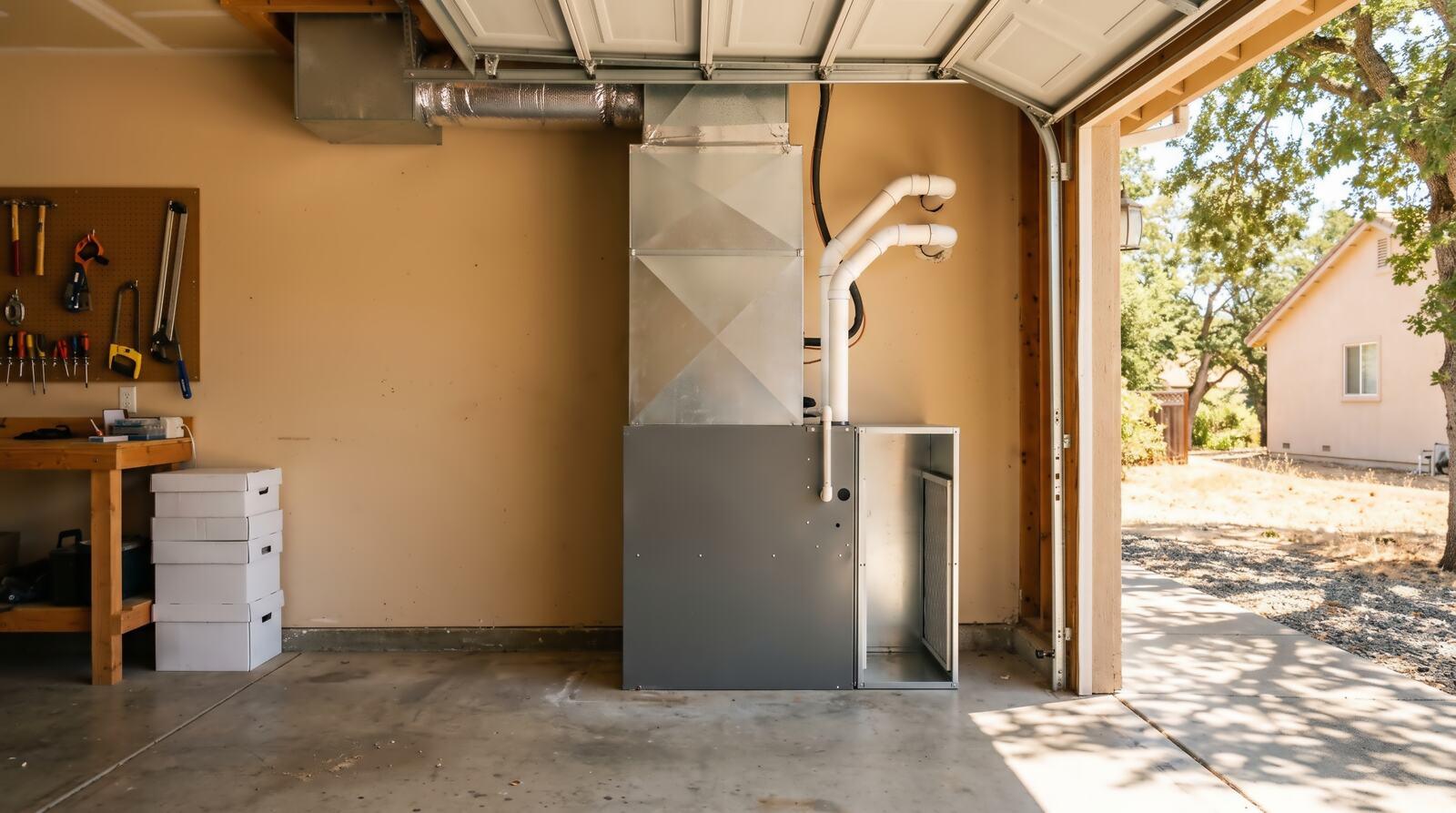
Furnace Repair in Sacramento
When the furnace won't heat, short-cycles, or blows cold, 916air isolates the real cause — ignition, flame sensor, airflow, or controls — and explains your repair options in plain language before any work begins.
- Licensed technicians
- Diagnostic-first
- Written options
What causes most furnace repairs?
What a furnace diagnostic actually checks
A furnace has a defined sequence of operation — call for heat, inducer, igniter, gas valve, flame sense, blower — and each step has a safety that can stop it. A real diagnostic follows that sequence to find where it breaks: testing the igniter and flame sensor, checking the pressure switch and inducer, reading the control board's fault codes, and verifying airflow across the heat exchanger. Restricted airflow is a frequent hidden cause, because a furnace that can't move enough air trips its high-limit safety and looks like an ignition problem when it isn't.
Written options
Example- 1.Repair the failed partA scary symptom is sometimes a small part.
- 2.Repair plus a related weaknessThe failure, plus the weak spot found on the same visit.
- 3.ReplaceWhen age, repair cost, refrigerant, and comfort math support it.
Furnace Repair by city
Each city page is written for that city's permits, electric utility, and housing stock — not a swapped city name.
- Furnace Repair in SacramentoSMUD electric / PG&E gas
- Furnace Repair in Elk GroveSMUD electric / PG&E gas
- Furnace Repair in RosevilleRoseville Electric Utility electric / PG&E gas
- Furnace Repair in FolsomSMUD electric / PG&E gas
- Furnace Repair in Rancho CordovaSMUD electric / PG&E gas
- Furnace Repair in Citrus HeightsSMUD electric / PG&E gas
- Furnace Repair in CarmichaelSMUD electric / PG&E gas
- Furnace Repair in Fair OaksSMUD electric / PG&E gas
- Furnace Repair in West SacramentoPG&E electric / PG&E gas
- Furnace Repair in DavisValley Clean Energy (generation) + PG&E (delivery) electric / PG&E gas
Common signs and when to call
- The furnace runs but blows cool or room-temperature air
- It ignites, runs briefly, then shuts off (short-cycling on a safety)
- The blower runs constantly and never satisfies the thermostat
- You hear repeated clicking or the igniter cycling without lighting
- The system won't start at all, or the thermostat has gone blank
- A burning or musty smell on first startup that doesn't clear
- The furnace trips its safety limit or a breaker when it runs
- A yellow or lazy burner flame instead of crisp blue, or soot around the unit
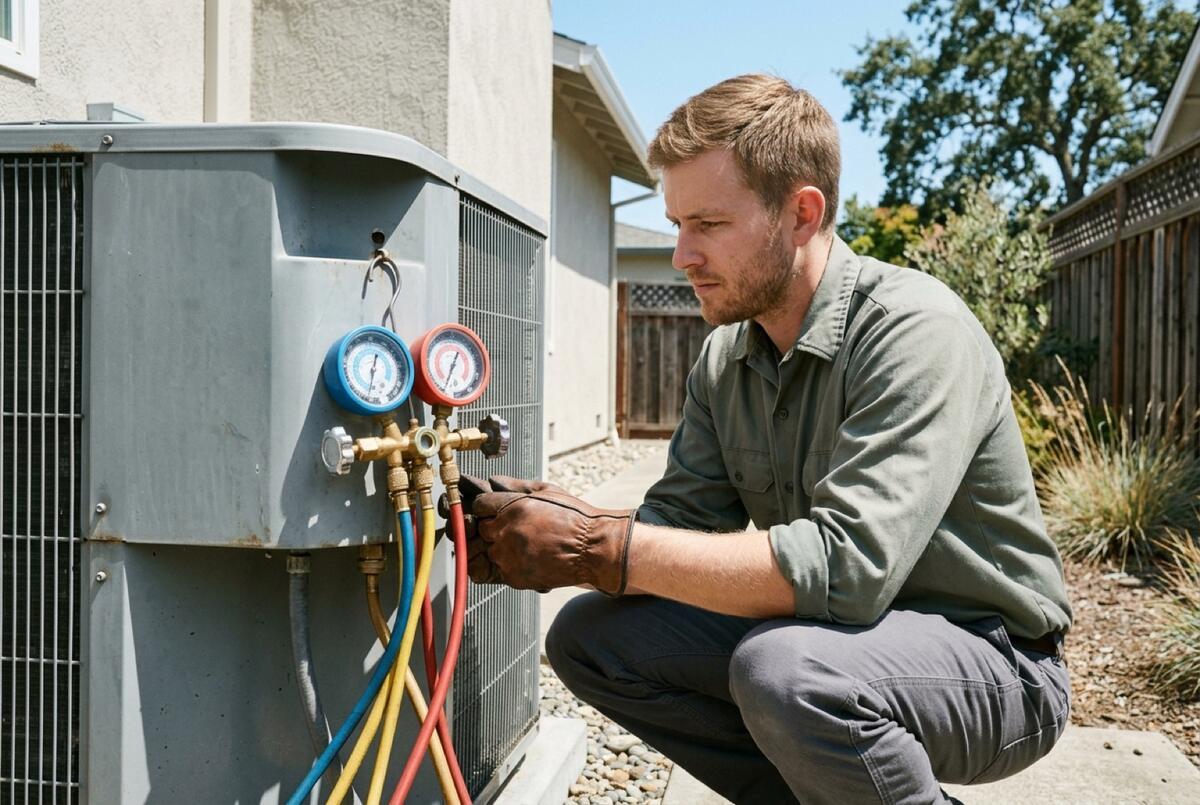
The failures behind most no-heat calls
A few parts account for the majority of furnace repairs. The flame sensor is a thin metal rod that proves the burner actually lit; it oxidizes with a film that the control board can't read, so the furnace lights, loses the flame signal a few seconds later, and shuts the gas off as a safety — the classic 'runs for a minute then quits.' The igniter (a hot-surface element on most modern furnaces, or a spark/pilot on older ones) cracks with age and stops glowing, so you hear the sequence click through but nothing lights. The pressure switch and inducer motor prove the flue is drawing before gas is allowed to flow; a failing inducer or a blocked flue drop-out leaves the furnace stuck before ignition. The control board ties the sequence together and stores the fault codes that point to which step failed. Reading those codes and testing each component is how a diagnostic separates a fifteen-minute flame-sensor cleaning from a real parts repair.
| Part | What you notice | What it usually means |
|---|---|---|
| Flame sensor | Lights, runs a minute, then shuts the gas off | Oxidized film the board cannot read; often a cleaning |
| Igniter | The sequence clicks through but nothing lights | Cracked hot-surface element, or a failed spark or pilot on older units |
| Pressure switch and inducer | Stops before ignition | The flue is not proving draft: a failing inducer or a blocked flue drop-out |
| High-limit trip | Short-cycling that looks like an ignition problem | Restricted airflow from a clogged filter or duct restriction |
| Control board | Stored fault codes | Points to the step in the sequence that failed |
Airflow, the heat exchanger, and gas safety
Restricted airflow is the hidden cause behind many furnace 'ignition' failures. When a clogged filter or an airflow and duct restriction chokes the return, the furnace can't move enough air across the heat exchanger, heat backs up, and the high-limit safety trips — which looks like short-cycling but is really the furnace protecting itself. Left unaddressed, that repeated overheating stresses the heat exchanger, the metal wall that separates combustion gases from the air you breathe. A cracked heat exchanger or a blocked flue can let combustion byproducts, including carbon monoxide, into the home, so those get checked carefully and are never patched around. The gas valve and burner condition round out the safety review — a yellow, lazy flame or soot signals incomplete combustion that needs correcting, not ignoring. When the finding is a safety issue, we stop and explain it plainly and lay out the options.
Gas safety is not optional
Furnace repair involves combustion, so the diagnostic includes the parts that keep it safe. A cracked heat exchanger, a failing flame sensor, or a blocked flue are safety issues, not just comfort issues. When any of those show up, we stop and explain the finding plainly rather than patching around it. Sacramento's heating season is short and mild compared to its summers, which means furnaces sit idle for months and often reveal a dirty flame sensor or a stuck safety on the first cold snap — the most common no-heat call of the year. If the furnace is aging and the failure is major, it can be the moment to compare a furnace replacement or a heat pump that heats and cools from one system; the repair-vs-replace calculator helps frame that before anyone quotes a number.
What you get from 916air
Every furnace repair visit ends with:
- A plain explanation of what failed and why, tied to the sequence of operation
- A safety check of the heat exchanger, flame sense, and venting
- Repair options in writing, with the tradeoffs spelled out
- An honest read on whether an aging furnace is worth repairing or replacing
Written options
Example- 1.Repair the failed partA scary symptom is sometimes a small part.
- 2.Repair plus a related weaknessThe failure, plus the weak spot found on the same visit.
- 3.ReplaceWhen age, repair cost, refrigerant, and comfort math support it.
How it works
- 1
Diagnose
Follow the furnace's sequence of operation — ignition, flame sense, airflow, controls — to isolate the real failure.
- 2
Check safety
Verify the heat exchanger, flame sensor, and venting are sound before the system is cleared to run.
- 3
Options in writing
Explain the cause in plain language and give the repair options and cost in writing, including replace-vs-repair where it applies.
- 4
Fix and verify
Complete the repair and confirm the furnace runs through a full clean cycle before leaving.
What affects the cost
- The specific part that failed (a flame sensor is minor; a control board or inducer is more)
- Whether restricted airflow caused a safety trip that has to be corrected first
- The age and condition of the furnace and whether parts are still available
- Access to the equipment (attic, closet, or tight mechanical space)
- Whether a safety issue like a cracked heat exchanger changes the picture
- Whether the fix is a standalone repair or a stopgap on a furnace near end of life
Planning tools
AC repair vs replace calculator
Weigh age, repair cost, refrigerant, and comfort to see which way the math leans.
Related services
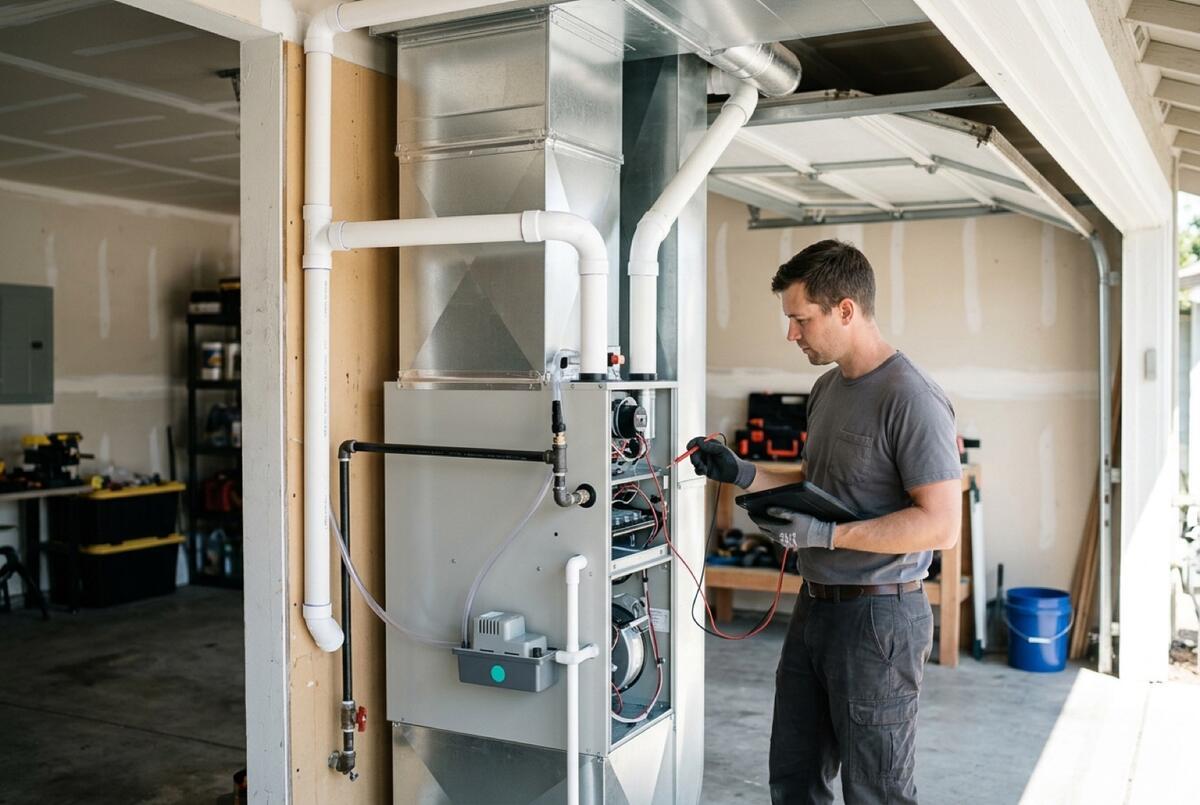
Furnace Installation
The right heat source, not the default one.
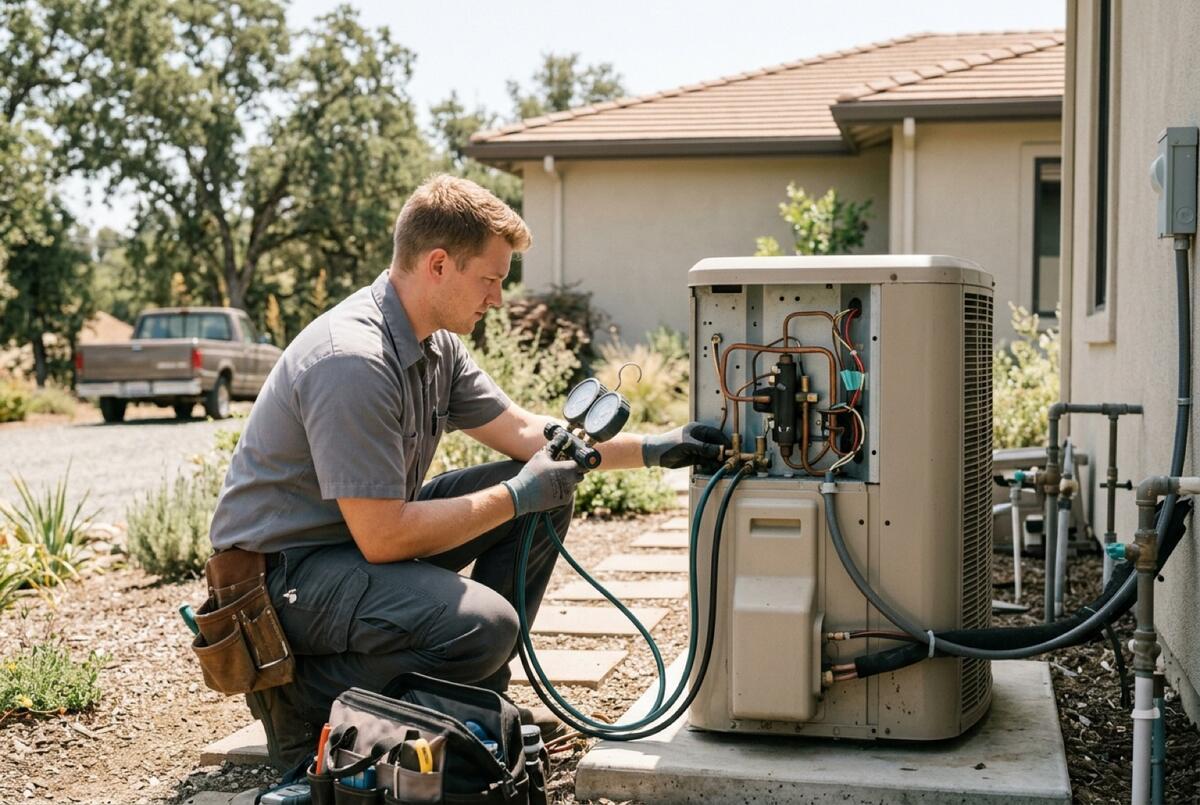
Heat Pump Repair
Repairs that respect the system's math.
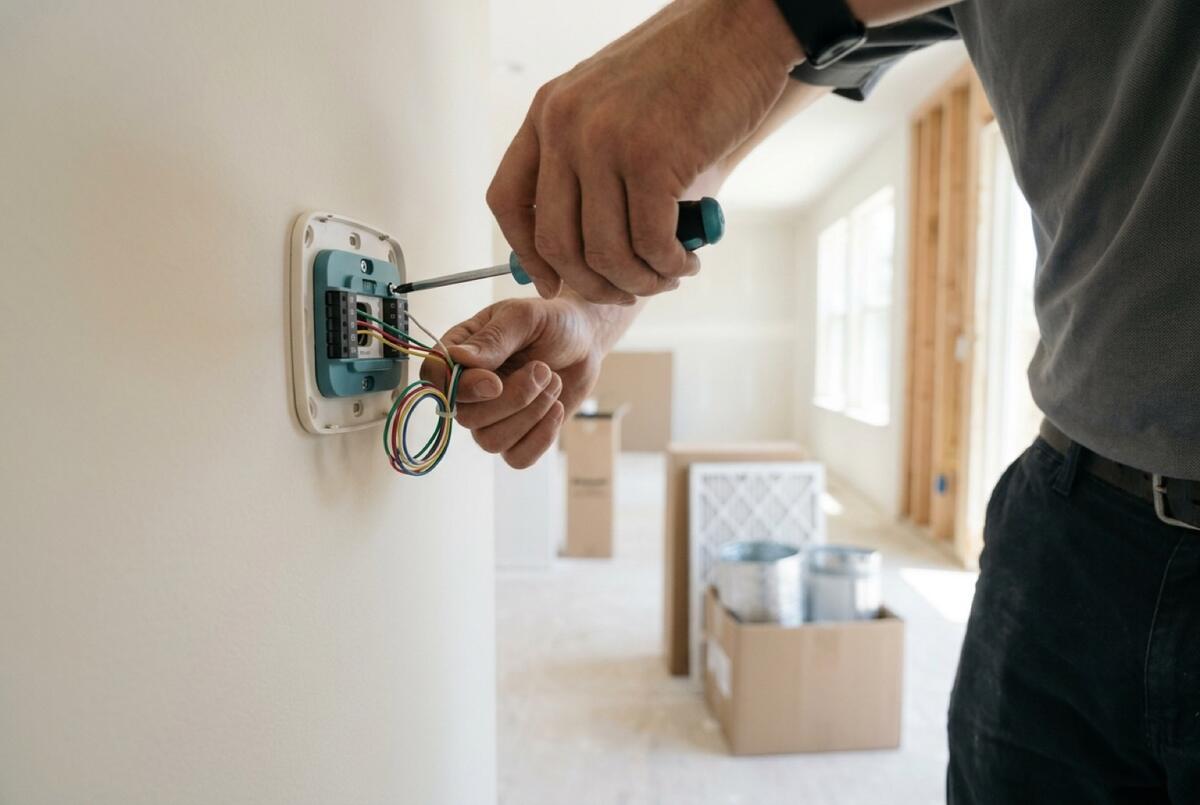
Thermostats
Controls that do what you tell them.
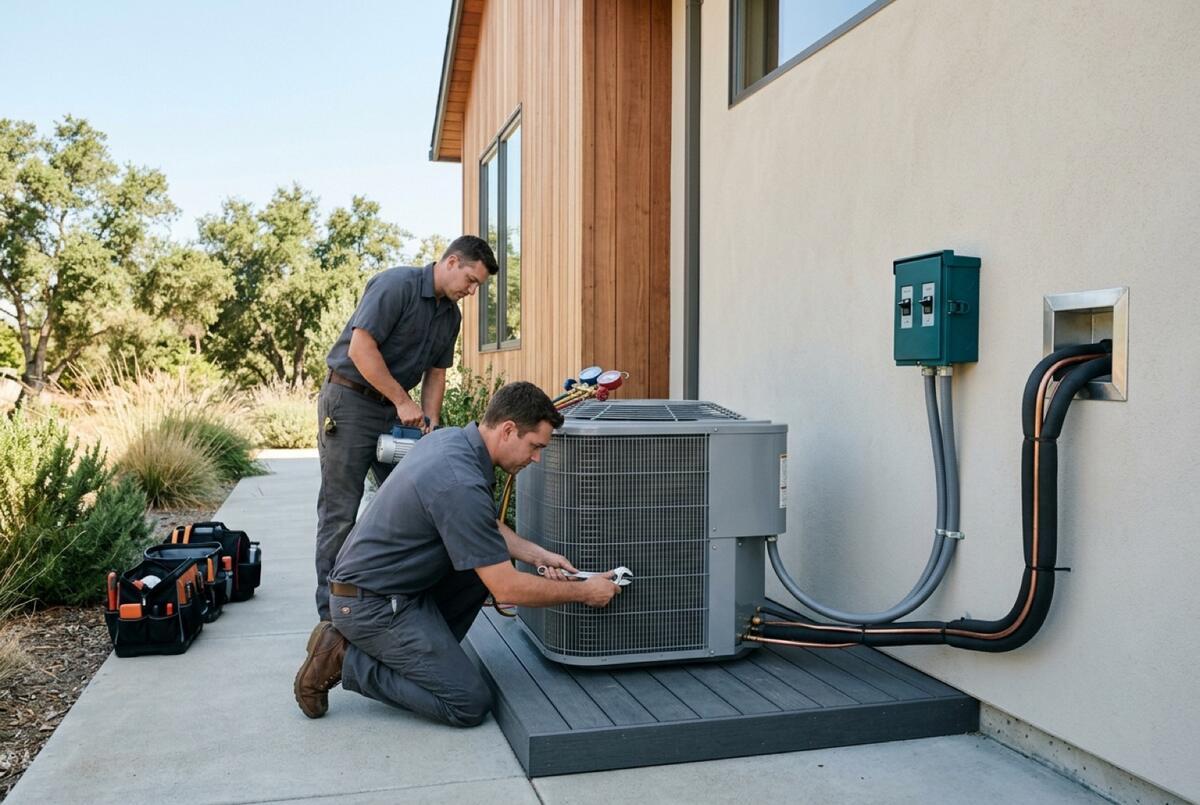
Heat Pump Install
Heating and cooling on one efficient system.
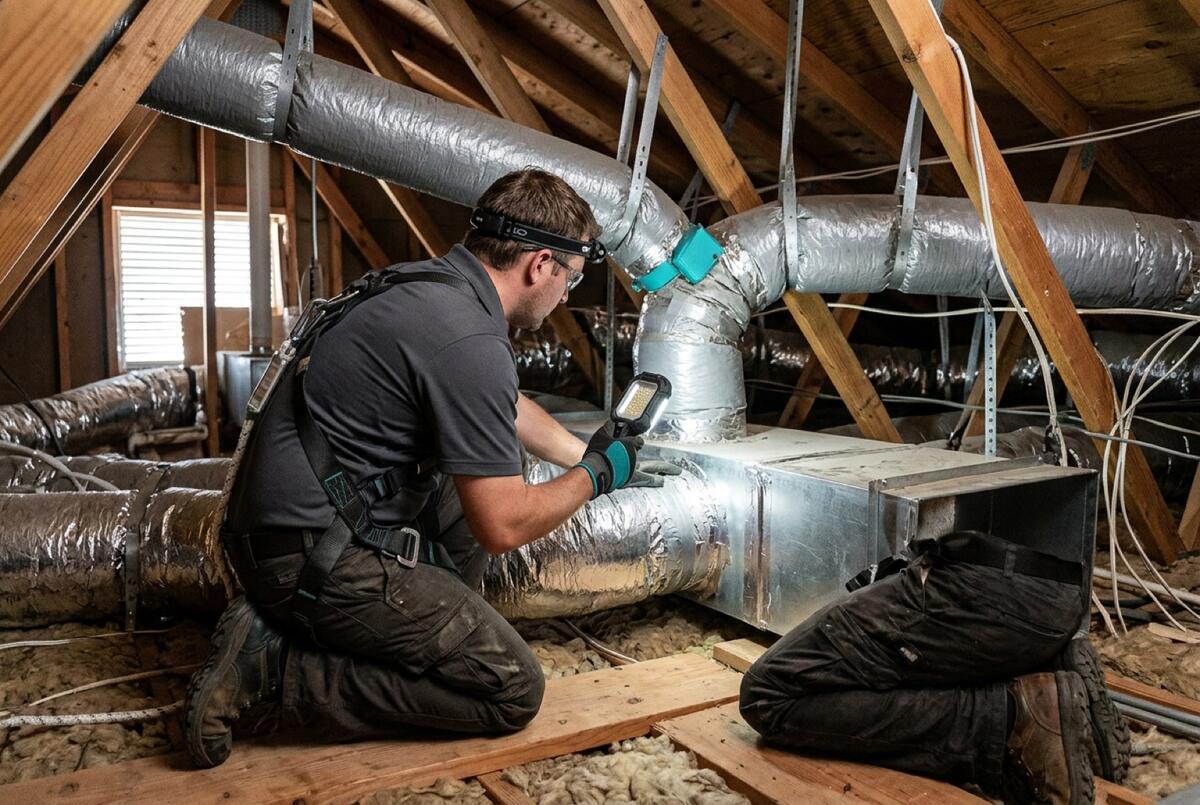
Ductwork & Airflow
Fix the delivery, not just the equipment.
Related guides
Repair or Replace Your HVAC System? A Sacramento Decision Guide
Deciding whether to repair or replace your AC or furnace? Weigh age, repair cost, refrigerant, efficiency, and comfort, plus the $5,000 test.
Guide · ReviewedFurnace Won't Turn On? What to Check Before You Call (Sacramento)
Furnace won't turn on or won't light? The safe checks to try first, what clicks, glows and blink codes mean, and when to stop and call a technician.
Guide · Reviewed
Frequently asked questions
How fast can you come out for a no-heat call?
Urgent no-heat calls are prioritized in our scheduling, especially during a cold snap. Share your address and the symptoms through the request form and we'll get back to you with timing.
Why does my furnace start and then shut off after a minute?
That short-cycling is usually a safety doing its job — most often a flame sensor that's dirty and losing the flame signal, or restricted airflow tripping the high-limit. The diagnostic reads the sequence to find which one it is, so the fix addresses the actual cause instead of masking it.
Is a furnace repair safe, or should I be worried about gas?
Furnace repair involves combustion, so we check the heat exchanger, flame sense, and venting as part of the diagnostic. A cracked heat exchanger or a blocked flue is a safety issue we won't patch around — if we find one, we explain it plainly and lay out the options rather than just getting the heat back on.
Should I repair the furnace or replace it?
It depends on the age, the repair cost, and whether the failure is a minor part or a safety concern like the heat exchanger. We diagnose first and give you the honest math — a common no-heat cause is a cheap flame sensor, but an aging furnace with a major failure is often better replaced. Our repair-vs-replace calculator and the repair-or-replace guide give a starting read before we quote anything.
My carbon monoxide detector went off, or I smell gas. What do I do?
Treat it as an emergency, not a service call. If you smell gas or a CO alarm sounds, leave the house, and from outside contact your gas utility and 911 or the fire department — do not run the furnace. A cracked heat exchanger or a venting problem can put combustion byproducts into the home, which is exactly why furnace diagnostics include the heat exchanger, flame, and flue. Once the immediate danger is handled, a diagnostic can find the mechanical cause.
Why does my furnace smell like burning the first time I run it each winter?
A dusty burning smell on the first startup of the season is usually dust that settled on the heat exchanger over the idle summer months burning off, and it should clear within an hour or so. If the smell is electrical, persistent, or comes with soot or a change in the flame, shut it down and have it looked at — that's no longer normal seasonal dust and can point to a wiring, blower, or combustion problem.
Would a heat pump make sense instead of fixing an old gas furnace?
It can, especially in Sacramento's mild heating climate where a heat pump handles most of the winter efficiently and cools in summer from the same system. Whether it pencils out depends on your ducts, electrical panel, and goals, and qualifying projects may have rebate options that have to be verified. When you're already facing a major furnace repair, it's a reasonable moment to compare a heat pump installation rather than reinvest in aging gas equipment.
Get a furnace repair estimate for your Sacramento home
916air serves the greater Sacramento region. Send the details and we'll come back with a written, site-specific scope.