Skip to content
916air
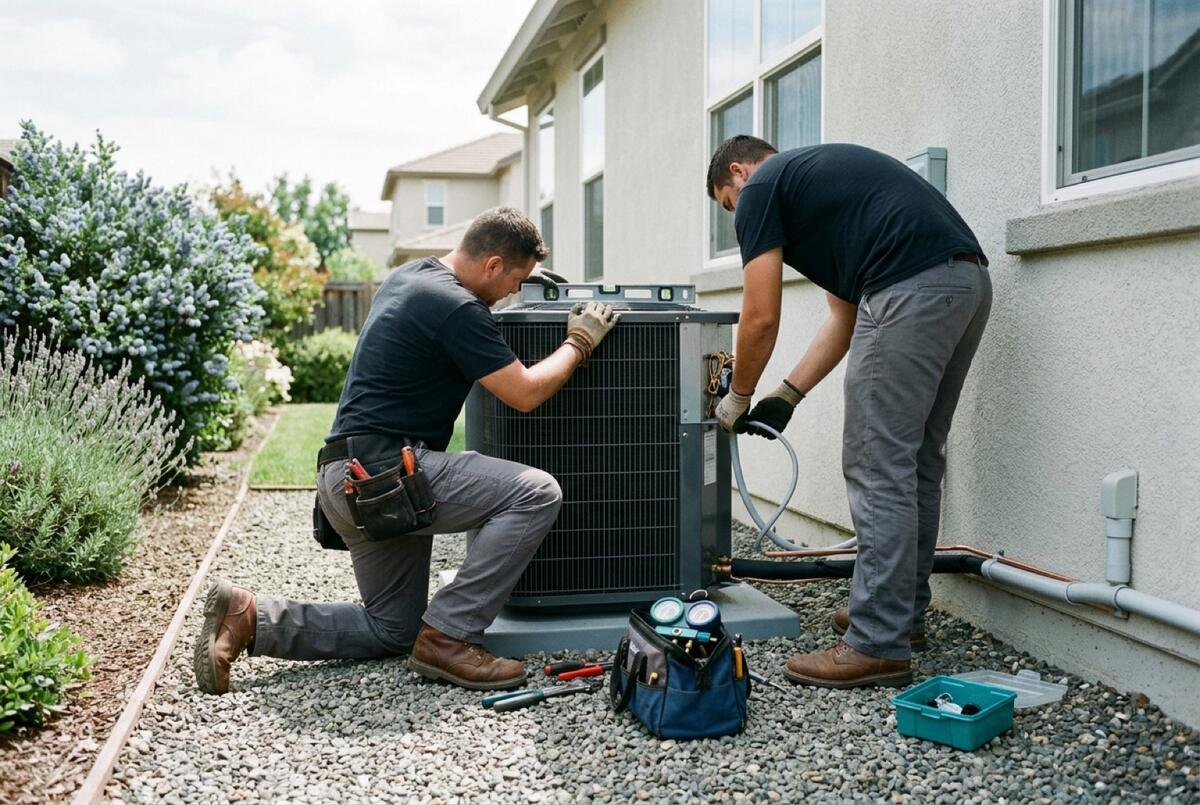
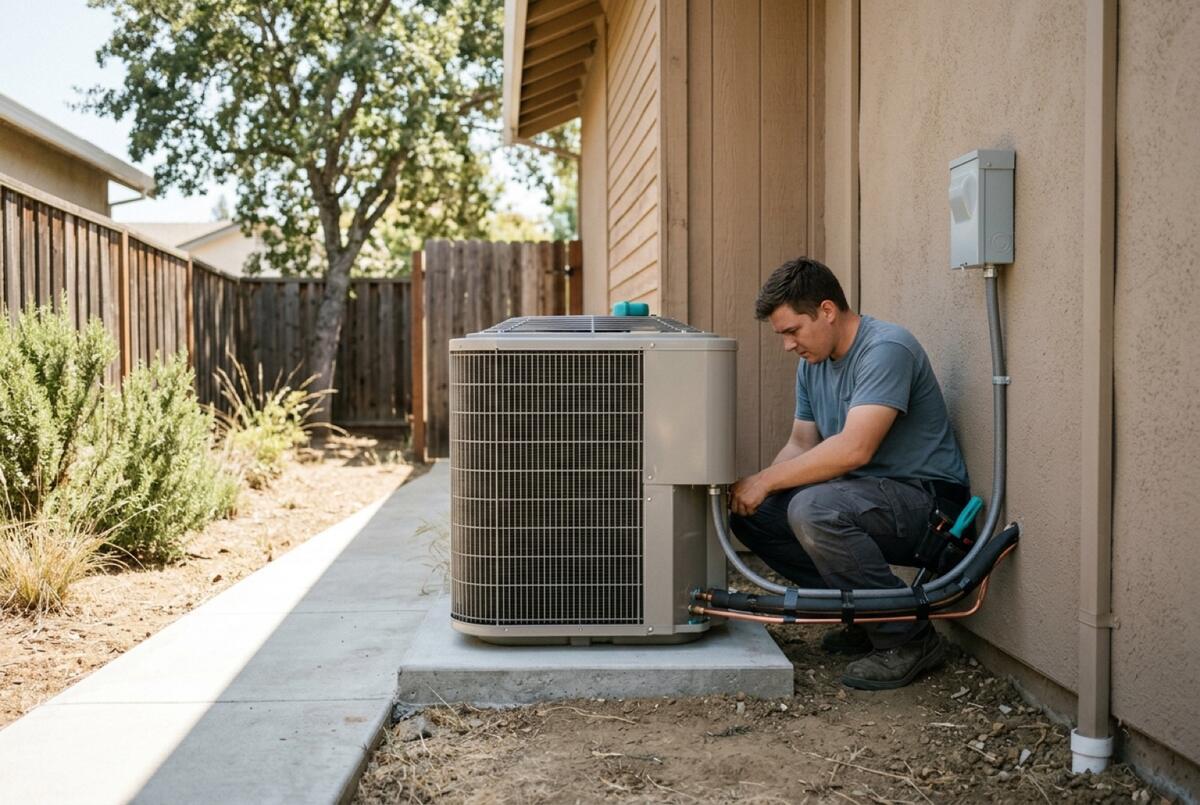
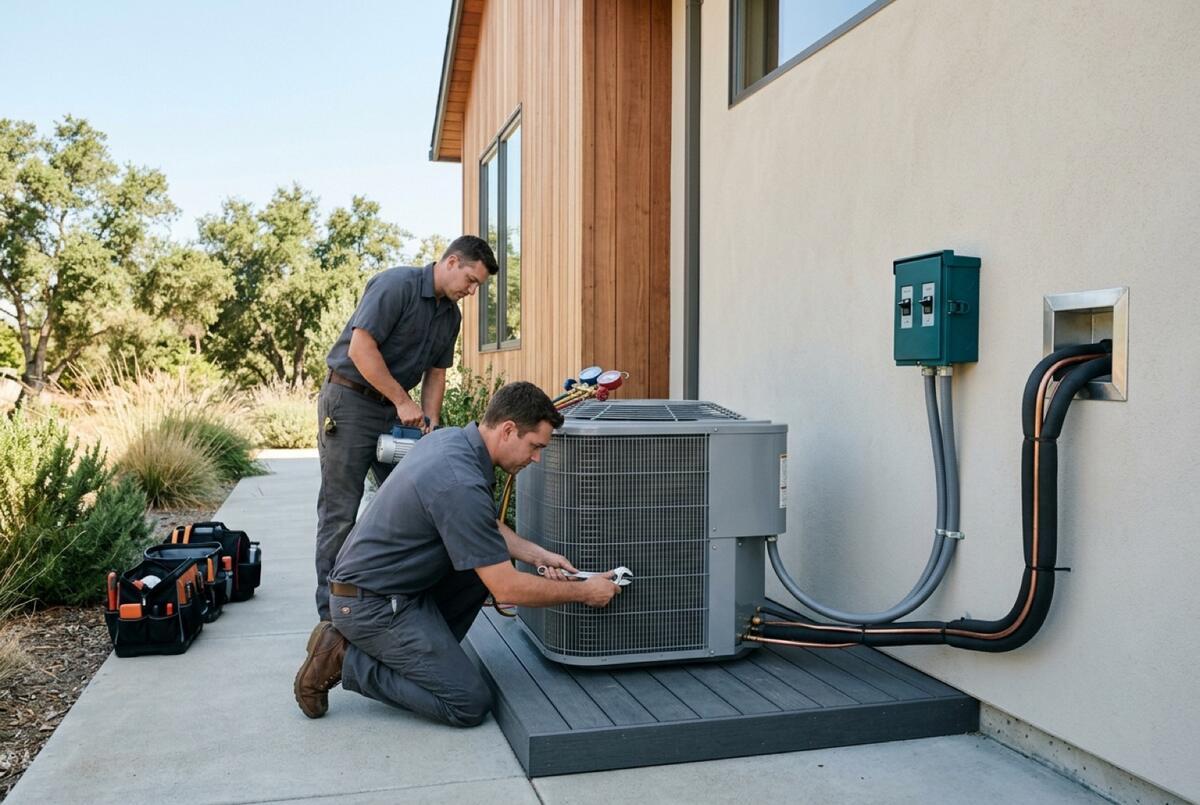
Two technicians setting an outdoor HVAC unit level in a side yard

HVAC Services in Sacramento

Cooling, heating, heat pumps, ductwork, air quality, and controls — diagnosed first, explained in writing, and recommended only when the math supports it.

Pick a service

Repairs

Something's broken — we find the real failure before quoting a fix.

  • AC Repair

    Find the real failure. Fix what's actually broken.

  • Furnace Repair

    Heat back on, explained in plain language.

  • Heat Pump Repair

    Repairs that respect the system's math.

Installation & Replacement

Replacing a system, with honest sizing and a written scope.

Maintenance & Comfort

Keep it running right — and fix the comfort problems equipment alone can't.

What 916air HVAC services cover

916air covers the residential HVAC work Sacramento homes actually call about — cooling that quit, heat that will not start, heat pumps, ducts that dump air into a hot attic, filtration during smoke season, and thermostats that fight the equipment. The cards above are the map. Each service page is the diagnostic. If you already know the job, pick a card. If you do not, the sections below will tell you which door to knock on, and a request will get the visit pointed at the right work.

Cooling: summer load

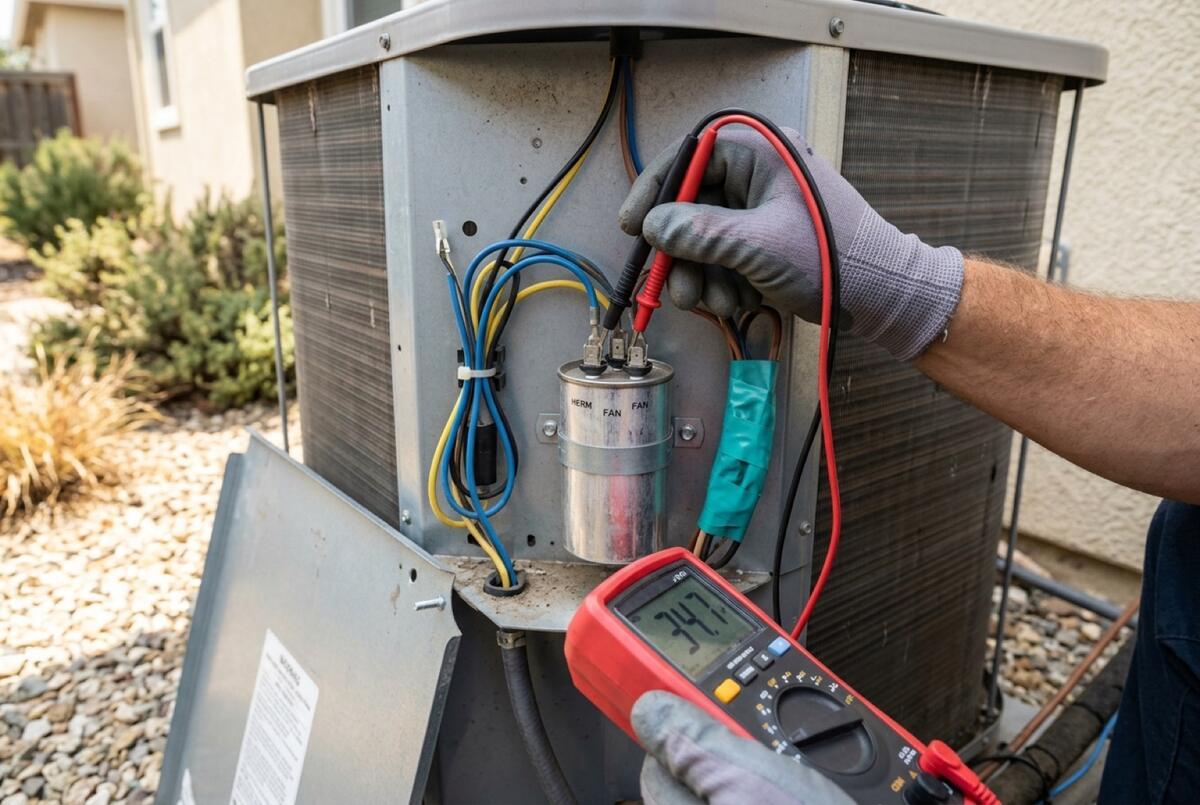
AC repair is the no-cool, weak-cool, ice-on-the-lines job: find the actual failure — capacitor, refrigerant, airflow, or controls — and put the repair options in writing before any work. AC replacement is the quote-comparison job: sizing, ducts, permit, and efficiency with a written scope. AC maintenance is heat-wave-readiness: a real tune-up checks the parts that fail in July before they get the chance.

Heating: winter counterpart

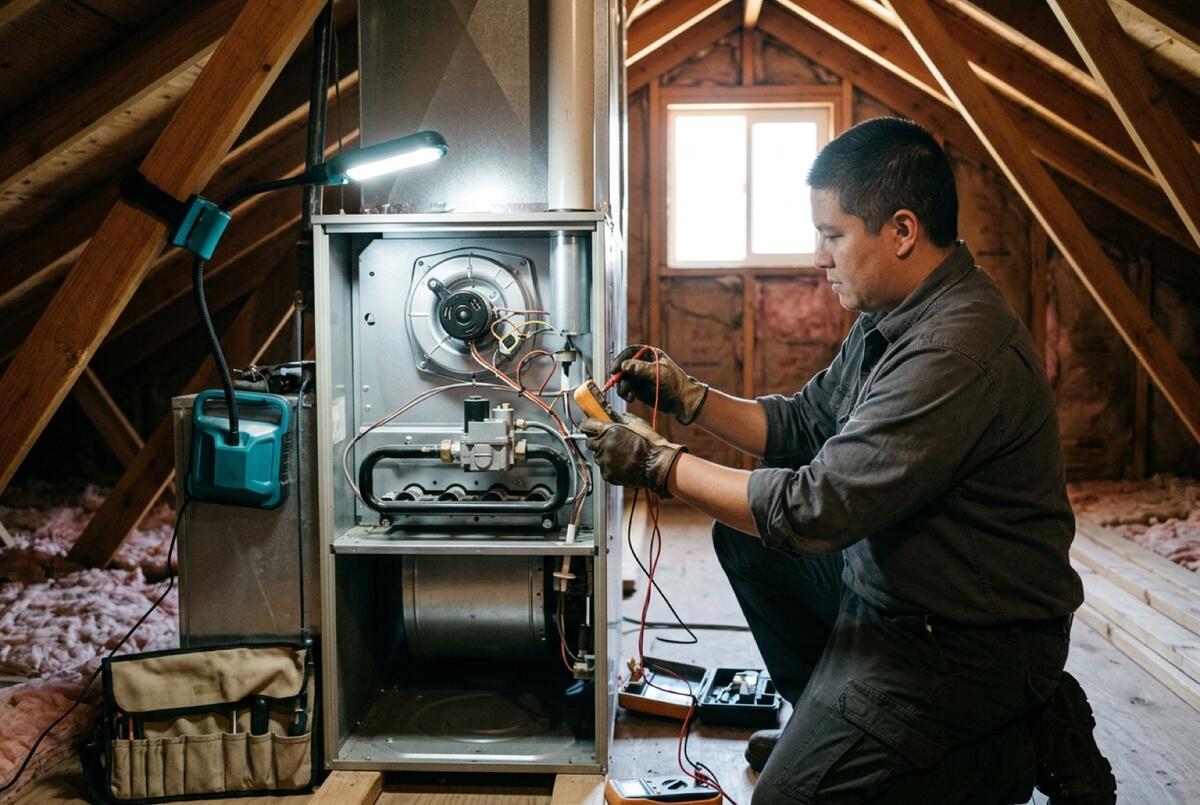
Furnace repair covers ignition, airflow, and control failures when the house is cold. Furnace replacement is where gas, dual-fuel, and heat-pump paths get compared instead of defaulting to the same box. Heat pump installation when one system should heat and cool; heat pump repair when a reversing valve, defrost cycle, or charge problem is the real failure.

Delivery: ducts, air, controls

Ductless mini-splits cover rooms, ADUs, garages, and older homes the ducts never reached. Ductwork and airflow is the upstairs-hot, weak-vent, leaky-attic job. Indoor air quality is filtration matched to the system you have — no medical promises. Thermostats are wiring, C-wires, and controls that match the equipment.

Repair, replace, or maintain?

Repair: fix the failure

When a measured failure is cheaper than the remaining life of the system. A scary symptom is sometimes a small part.

Replace: when the math says so

When age, repair cost, refrigerant, ducts, and comfort history say you would be stacking money on a machine that is done.

Maintain: before it fails

When the system still works and you want the parts that fail in a heat wave checked while the house is still comfortable.

The repair-vs-replace calculator is a five-question starting read, not a verdict. The longer version is the repair-or-replace guide. Neither one replaces a diagnostic. Refrigerant type belongs in that conversation — existing R-410A systems can still be serviced; new equipment follows the 2026 low-GWP rules. That distinction lives on the R-410A transition guide, not in a slogan.

If the house is already hot, start with AC repair. If you have quotes in hand and want a written scope, start with AC installation or heat pump installation. If the system still cools and you want it ready, start with AC maintenance. Furnace-side versions of the same fork live on furnace repair and furnace installation. Licensed HVAC technicians complete the work on whichever path you approve. The visit is how you find out which path is real.

Written options

Example
  1. 1.Repair the failed partA scary symptom is sometimes a small part.
  2. 2.Repair plus a related weaknessThe failure, plus the weak spot found on the same visit.
  3. 3.ReplaceWhen age, repair cost, refrigerant, and comfort math support it.
Prices are written on site, after the diagnostic. Work does not start until you pick a path.

What the Sacramento region actually changes

Heat and ducts

Not a generic city paragraph

Long valley heat waves expose weak capacitors, dirty coils, low charge, and undersized returns. In older grid homes, attic duct runs bake, so a hot upstairs is frequently an airflow problem rather than a dead compressor. That is why ductwork and airflow sits next to the cooling cards instead of being treated as an upsell.

Utility

Not the name on the mailbox

Electric utility is not the city name on the mailbox. Confirm the electric line on a recent bill before assuming a rebate. Gas is PG&E in all ten cities, which is why a PG&E gas bill does not tell you which electric rebate applies.

Rebates

Follow the electric map

SMUD-territory projects may have rebate options; as of October 6, 2026, SMUD lists $3,000 for a gas-to-electric HVAC conversion with a variable-stage heat pump, $2,000 with a two-stage heat pump, and $1,000 for electric-to-electric, installed by a SMUD Contractor Network contractor — verify current terms on the SMUD heat pump rebate guide. Roseville Electric runs a separate, budget-capped program with a HERS duct-test requirement. West Sacramento and Davis sit in the TECH Clean California channel; as of October 6, 2026, TECH listed its single-family heat-pump HVAC incentives as reserved statewide (since November 14, 2025) with new requests waitlisted — check current availability; do not bank on it.

Permits

City vs county

HVAC change-outs require a permit in every jurisdiction we work. Incorporated cities issue their own. Carmichael and Fair Oaks are unincorporated Sacramento County, so the permit is a county permit, not a city-hall permit. The Sacramento HVAC permit guide is the jurisdiction map. 916air handles the correct one for a change-out. We do not treat a replacement as a no-permit favor.
Electric utility by community. Gas is PG&E in all ten cities — a PG&E gas bill does not tell you which electric rebate applies.
CommunitiesElectric utility
Sacramento, Elk Grove, Folsom, Rancho Cordova, Citrus Heights, Carmichael, Fair OaksSMUD
RosevilleRoseville Electric — city-owned municipal utility, not SMUD
West SacramentoPG&E electric — not SMUD, not Valley Clean Energy
DavisValley Clean Energy for generation, PG&E delivery

How a diagnostic visit works

  1. 1

    Request

    A request comes in with the symptom, the city, and how urgent it feels. Urgent no-cooling and no-heat calls are prioritized in scheduling. We do not publish hours, a same-day window, or a 24/7 claim — we come back with timing we can actually keep. If you are not sure which service card applies, that is fine; the diagnostic is how we sort it.

  2. 2

    Measure on site

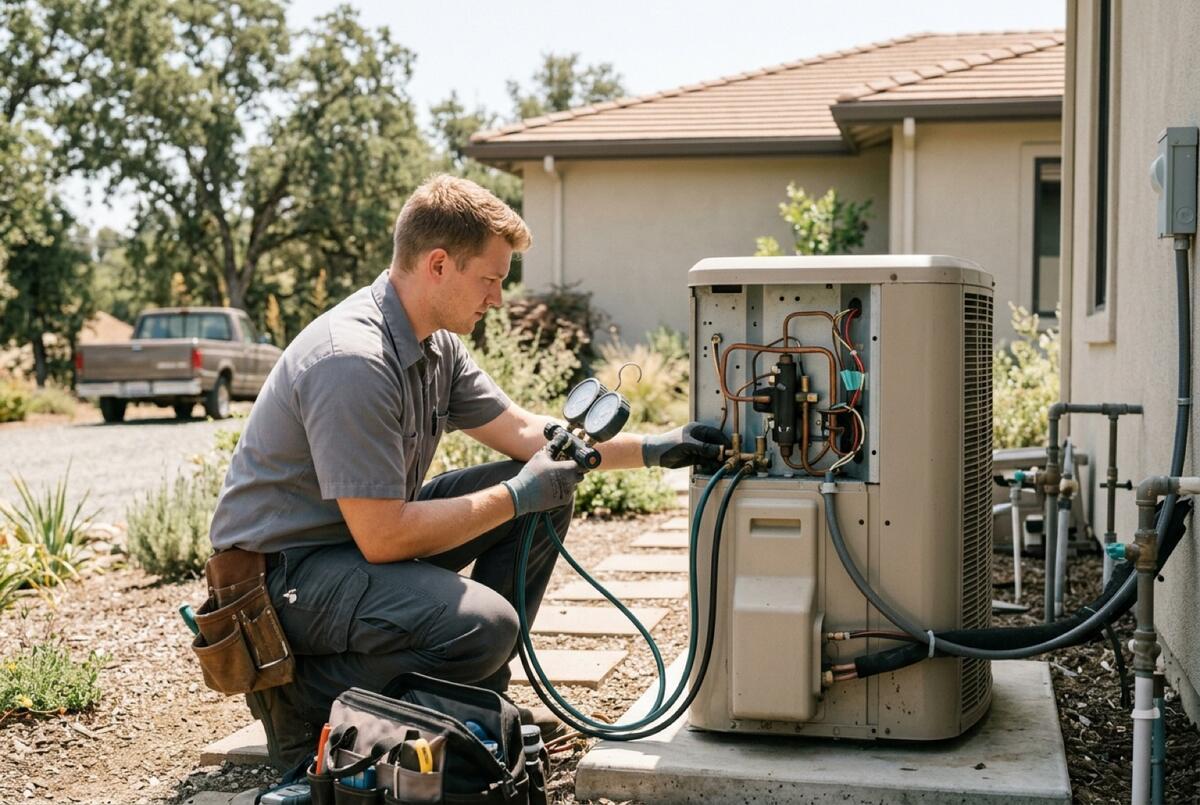
    On site, the visit measures instead of guessing. Electrical (capacitor, contactor, voltage), the refrigerant circuit and coil, airflow and the obvious duct problems, then the thermostat and controls. You get a plain-language explanation of what failed and written options: repair, repair-plus, or replace when the math supports it. Work does not start until you pick a path.

  3. 3

    Permit, complete, verify

    Change-outs still need a permit from the correct city or county. After the work, we test performance and walk you through what changed. That is the same sequence whether the job is AC repair, a heat pump, ductwork, or a thermostat. The card you clicked is the starting hypothesis. The measurements are the job.

Questions before you pick a service

I'm not sure what's wrong. Which service do I pick?

Pick the symptom, not the equipment name. House hot in summer → AC repair. House cold in winter → furnace repair or heat pump repair. You have quotes and want a written scope → replacement. The system still runs and you want it ready → maintenance. Upstairs always hotter → ductwork. If none of that fits, request service with the address and what the house is doing. We will point the visit at the right work.

Do you repair systems, or only replace them?

Both. Repair is the default when a measured failure is cheaper than the remaining life of the system. Replacement is on the table when age, repair cost, refrigerant, ducts, and comfort history say otherwise. Plenty of visits end in a part, not a new condenser. The repair-vs-replace calculator is a starting read; the diagnostic is the decision. Licensed HVAC technicians complete the work on whichever path you approve.

Can one diagnostic cover cooling, heating, and airflow?

Yes. A real visit measures the electrical, refrigerant, airflow, and control sides of the same system. A "bad AC" call is often a capacitor, a charge problem, a clogged filter, leaky attic ducts, or a thermostat fighting the equipment — sometimes more than one. You still pick a starting service so scheduling knows the urgency. The write-up covers what we actually found, including when ducts or a thermostat are the real constraint.

Why do permits and utilities show up before anyone opens a panel?

Because they change the job. A change-out needs a permit, and the issuer is the city or the county depending on the address — Carmichael and Fair Oaks go through Sacramento County. Heat pump rebates follow the electric utility: SMUD, Roseville Electric, or PG&E / Valley Clean Energy, not the city name. Getting that wrong wastes a visit. The permit guide and SMUD rebate guide are the maps; the diagnostic is still how we price the work.

When should I book maintenance instead of a repair?

When the system still heats and cools and you want the failure-prone parts checked before a heat wave, not after. A tune-up is not a repair: it will not magically restore a dead compressor or fix a leaking coil. If the house is already uncomfortable, start with repair. If it is April and last summer was close, start with AC maintenance. The visit can still turn into a repair if we find something that is actually failed.

What's the difference between these service cards and a written scope?

The cards are how you find the right door. A written scope is what you can compare against another contractor's number: equipment, labor, permit, ducts, electrical, and anything the house needs for the system to run correctly. Verbal numbers are how mismatched coils and missing permits sneak into a "cheap" quote. Request service if you want that write-up on your house, not a card on a website.

Not sure which service you need?

Describe the problem — a warm house, a noise, a quote you want a second opinion on — and 916air will point you to the right fix with a written, site-specific scope.

Request Service