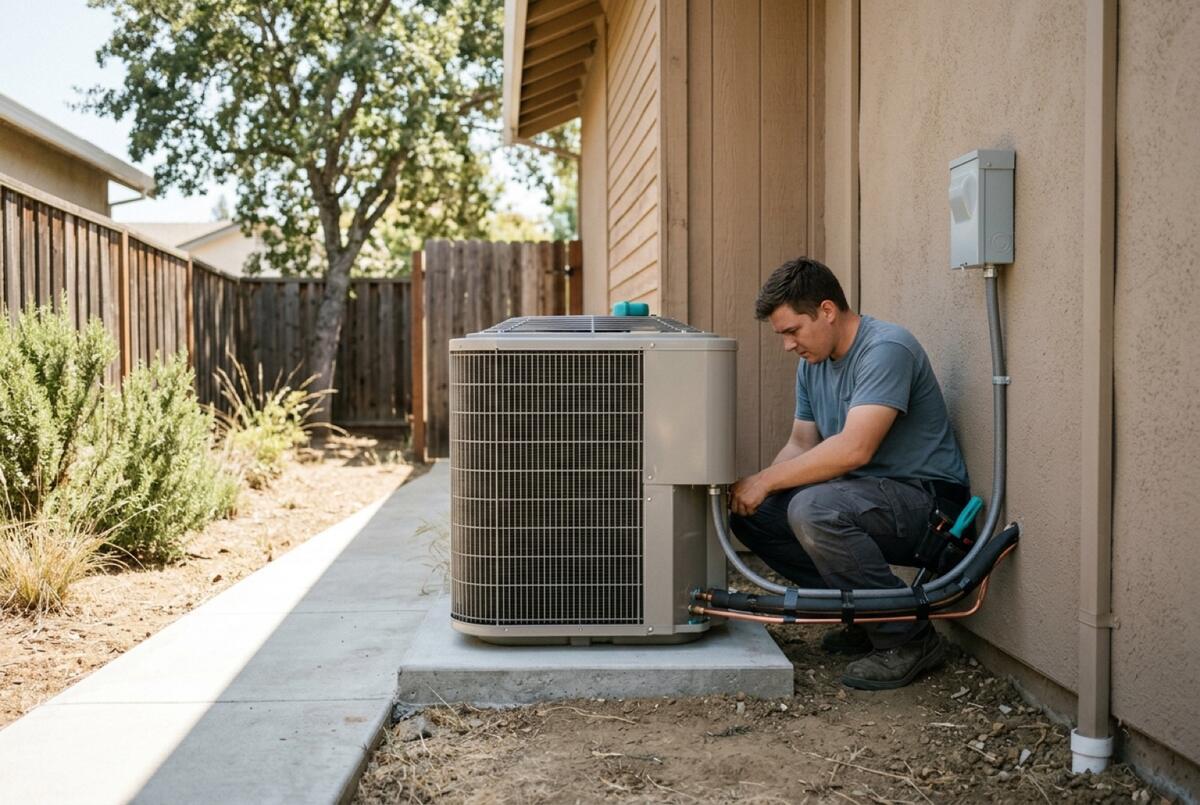
AC Installation & Replacement in Sacramento
Replacing an AC in Sacramento is a sizing and duct decision as much as an equipment decision. 916air measures the load, checks the ducts, and puts the whole scope in writing before you compare quotes.
- Licensed technicians
- Diagnostic-first
- Written options
How should a Sacramento AC replacement be sized?
Sizing comes before equipment
The single most common mistake in AC replacement is copying the old system's tonnage. A load calculation accounts for square footage, insulation, windows, orientation, and duct condition — the actual heat gain your house sees. Bigger is not better: an oversized system cools the thermostat fast, shuts off, and leaves the rest of the house humid and uneven. We calculate the load first, then match equipment to it, so the system you buy is the system your house needs.
AC Installation by city
Each city page is written for that city's permits, electric utility, and housing stock — not a swapped city name.
- AC Installation in SacramentoSMUD electric / PG&E gas
- AC Installation in Elk GroveSMUD electric / PG&E gas
- AC Installation in RosevilleRoseville Electric Utility electric / PG&E gas
- AC Installation in FolsomSMUD electric / PG&E gas
- AC Installation in Rancho CordovaSMUD electric / PG&E gas
- AC Installation in Citrus HeightsSMUD electric / PG&E gas
- AC Installation in CarmichaelSMUD electric / PG&E gas
- AC Installation in Fair OaksSMUD electric / PG&E gas
- AC Installation in West SacramentoPG&E electric / PG&E gas
- AC Installation in DavisValley Clean Energy (generation) + PG&E (delivery) electric / PG&E gas
Common signs and when to call
- The current system is 12-15+ years old and repairs are stacking up
- It runs on R-22 refrigerant, which is no longer produced
- Cooling is uneven — some rooms never keep up in summer
- Energy bills climb every summer while comfort gets worse
- The system short-cycles or struggles to hold temperature on hot days
- A major component (compressor or coil) has failed on an older unit
- You want higher efficiency or are considering a heat pump alternative
- The outdoor unit and indoor coil are mismatched or from different eras

Ducts and airflow decide whether it performs
New equipment on old, leaky ducts underperforms from day one. Sacramento homes often have duct runs in the attic that leak conditioned air into a hot summer attic, plus undersized returns that choke airflow. Before we quote a replacement, we check the duct condition and return sizing, because a right-sized condenser still fails to deliver comfort if the delivery side can't move the air. Correcting airflow is often the difference between a system that works on paper and one that actually cools the back bedrooms — which is why a replacement scope and a ductwork and airflow assessment belong together, not in separate conversations six months apart.
Matching the system: condenser, coil, and refrigerant
An AC change-out is really two matched pieces plus the line that connects them. The outdoor condenser and the indoor evaporator coil are engineered as a rated pair — installing a new high-efficiency condenser on top of an old, mismatched coil throws away the efficiency you paid for and can cause capacity and reliability problems. A proper install replaces the coil with the condenser and evaluates the line set (the copper refrigerant lines): on a system converting from older refrigerant, the lines usually need flushing or replacement rather than reuse. Every new system runs R-410A or a newer low-GWP refrigerant — never R-22 — and our R-410A refrigerant transition guide explains why the refrigerant your old system used affects what makes sense to install now. The metering device (TXV) and a matched blower or air handler round out a system that actually holds its rated efficiency instead of just its rated sticker.
Efficiency tiers and the electrical side
Higher SEER2 ratings and variable-speed or two-stage equipment run longer at lower output, which holds temperature more evenly and pulls humidity down better than an oversized single-stage unit that blasts and shuts off. That comfort gain is real, but it isn't free, and a bigger efficiency number only pays back if the ducts and sizing support it. On the electrical side, a new condenser has to match the existing breaker, disconnect, and whip; variable-speed equipment and any move toward a heat pump can change the electrical load and the panel capacity you need. When higher efficiency plus heating is the goal, it's worth comparing a full heat pump installation — and running the numbers through the HVAC cost calculator — before defaulting to a like-for-like AC swap.
| Equipment | How it runs | Comfort effect | What it needs |
|---|---|---|---|
| Single-stage | Full output or off | Cools the thermostat fast; an oversized unit leaves rooms humid and uneven | Correct sizing from a load calculation |
| Two-stage | Runs longer at a lower stage, high stage on peak days | Holds temperature more evenly and pulls humidity down better | Ducts and sizing that support the longer run |
| Variable-speed | Ramps output up and down instead of cycling | The steadiest temperature and humidity of the three | Ducts and sizing that support it; may change the electrical load |
Permits, efficiency, and a written scope
An AC change-out is permitted work in this region, and the jurisdiction matters — the City of Sacramento, Sacramento County, and neighboring cities each handle inspection differently. A pulled permit isn't red tape; it's the check that the sizing, refrigerant, and electrical work meet code, and it protects the home's value at resale. Our Sacramento HVAC permit guide breaks down which authority applies and what inspection involves, and a written scope means you can compare quotes on equal terms instead of guessing what a lower number left out.
Every replacement estimate spells out:
- The load-calculated size and why it's the right match
- Equipment efficiency options and the tradeoffs of each
- Duct, return, and airflow work needed for the system to perform
- That HVAC change-outs require a permit, and which authority applies
- Whether a heat pump is worth comparing for your home and goals
- City building department
- Sacramento, Elk Grove, Roseville, Folsom, Rancho Cordova, Citrus Heights, West Sacramento and Davis
- Sacramento County
- Carmichael and Fair Oaks
How it works
- 1
Load calculation
Measure the home's actual cooling load — square footage, insulation, windows, and duct condition — instead of copying the old unit.
- 2
Scope the system
Match equipment to the load, check the ducts and returns, and identify any airflow work the install requires.
- 3
Written estimate
Give you the full scope, equipment options, and permit requirements in writing, with heat-pump comparison where it fits.
- 4
Install and verify
Complete the change-out, pull the permit, and confirm the system holds its designed performance before the job closes.
What affects the cost
- The load-calculated system size and the efficiency tier you choose
- Condition of the existing ductwork and whether returns need resizing
- Electrical work and line-set condition at the existing equipment
- Permit requirements for your jurisdiction (city vs county)
- Whether a heat pump changes the electrical or rebate picture
- Single-stage vs two-stage or variable-speed equipment, and whether the coil and air handler are being matched
See planning ranges in the AC Replacement Cost in Sacramento: Planning Ranges.
Planning tools
HVAC replacement cost calculator
Planning ranges for AC, furnace, heat pump, and mini-split replacement.
AC repair vs replace calculator
Weigh age, repair cost, refrigerant, and comfort to see which way the math leans.
Related services
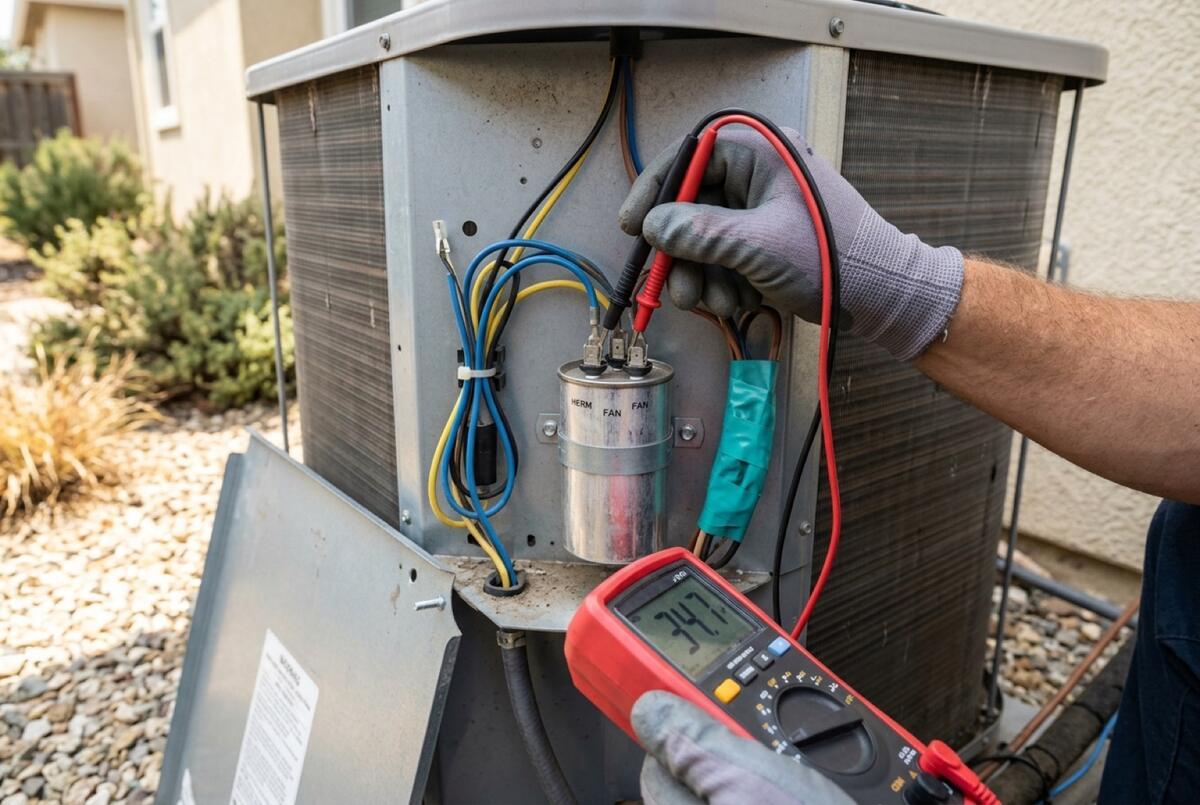
AC Repair
Find the real failure. Fix what's actually broken.
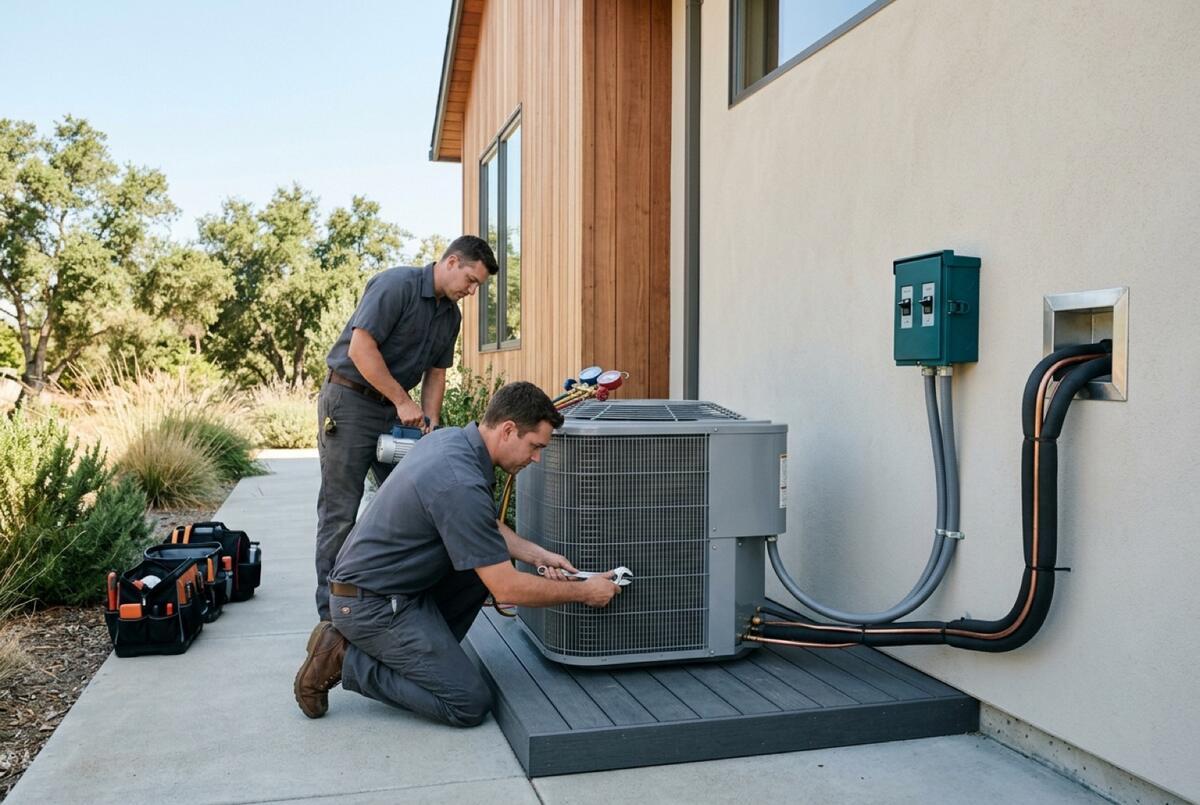
Heat Pump Install
Heating and cooling on one efficient system.
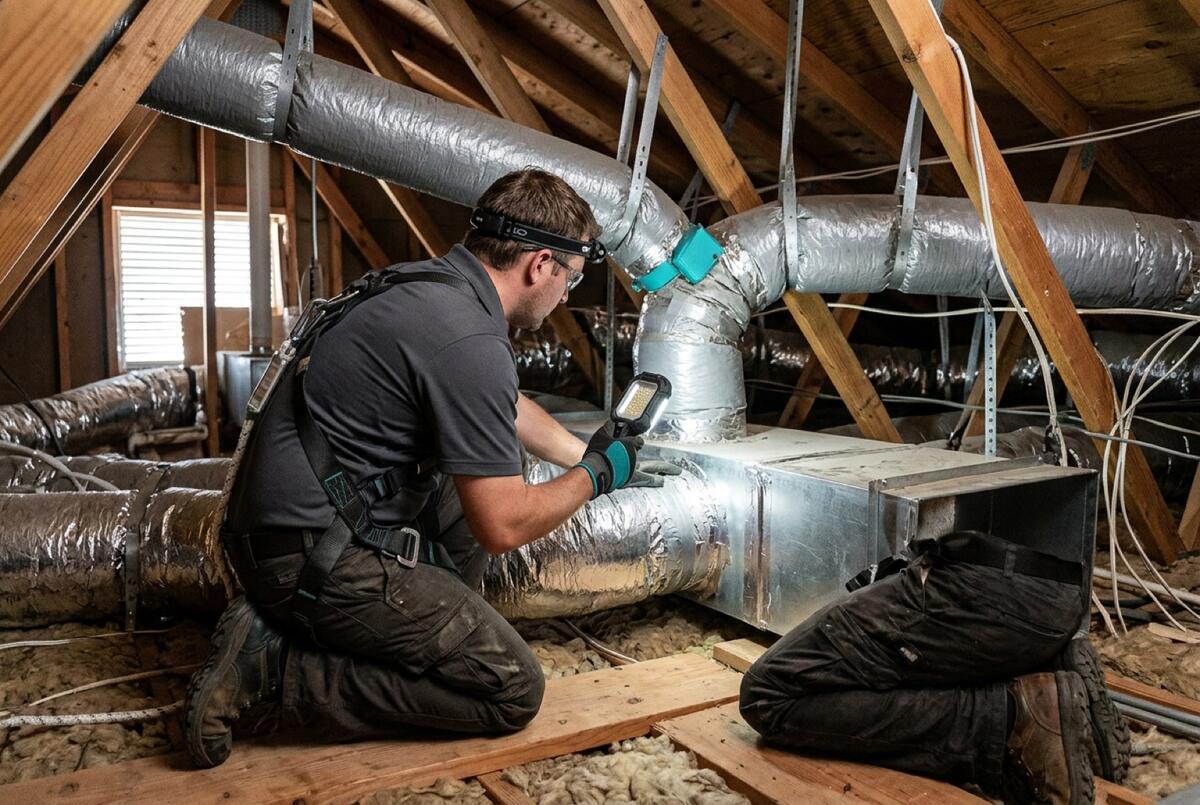
Ductwork & Airflow
Fix the delivery, not just the equipment.
Furnace Installation
The right heat source, not the default one.

Thermostats
Controls that do what you tell them.
Related guides
Repair or Replace Your HVAC System? A Sacramento Decision Guide
Deciding whether to repair or replace your AC or furnace? Weigh age, repair cost, refrigerant, efficiency, and comfort, plus the $5,000 test.
Guide · ReviewedSMUD Heat Pump Rebates: What Sacramento Homeowners Should Know
SMUD offers heat pump rebates for qualifying Sacramento-area homes, but amounts and eligibility change. Here's how the program works and what to verify first.
Guide · ReviewedDo You Need a Permit to Replace HVAC in Sacramento?
Replacing an AC or furnace in the Sacramento area needs a permit — and who issues it depends on your city or unincorporated county address. Here's how it works.
Guide · ReviewedThe R-410A Refrigerant Transition: What It Means for Your AC
New AC systems use lower-GWP refrigerant, existing R-410A systems can still be serviced, and older R-410A stock can still be installed. What that means for you.
Guide · Reviewed
Frequently asked questions
What size AC does my house actually need?
It comes from a load calculation, not the old unit's tonnage. Square footage, insulation, windows, orientation, and duct condition all factor in. Bigger is not better — an oversized system short-cycles and leaves the house humid and uneven. We size to the load so the system matches your home.
Do I need a permit to replace my AC?
Yes. HVAC change-outs require a permit in this region, and the authority depends on where you live — City of Sacramento, Sacramento County, or a neighboring jurisdiction each handle it differently. We identify the applicable authority as part of the written scope.
Should I repair my old system or replace it?
It depends on the age, the repair cost, the refrigerant type, and how the ducts and comfort have held up. R-22 systems especially tend to be dead-end money once the refrigerant circuit is involved. Our repair-vs-replace calculator gives a starting read, and we lay out the honest math either way.
Is a heat pump worth comparing instead of a straight AC swap?
Often, yes. A heat pump cools like an AC and also heats, and qualifying Sacramento projects in SMUD territory may have rebate options — though eligibility depends on the current program and equipment and has to be verified. We'll compare both paths honestly rather than default you to a like-for-like swap. Our SMUD heat pump rebate overview explains what 'may qualify' actually depends on.
Can I keep my old coil and just replace the outdoor unit?
It's rarely a good idea. The outdoor condenser and the indoor evaporator coil are rated as a matched pair, and pairing a new high-efficiency condenser with an old, mismatched coil sacrifices the efficiency you paid for and can cause capacity and reliability problems. On systems moving off older refrigerant, the coil and often the line set need to change anyway. Replacing them together is what makes the rated efficiency real instead of theoretical.
What does SEER2 mean, and is a higher number always better?
SEER2 is the current efficiency rating for cooling equipment — higher means more cooling per unit of electricity. But a higher number only pays back if your ducts and sizing can support it; a premium variable-speed system installed on leaky, undersized ducts underperforms a modest system on good ducts. We weigh the efficiency tier against your actual duct condition and how long you plan to stay in the home, so you're not buying a rating you can't use.
Get an AC installation estimate for your Sacramento home
916air serves the greater Sacramento region. Send the details and we'll come back with a written, site-specific scope.