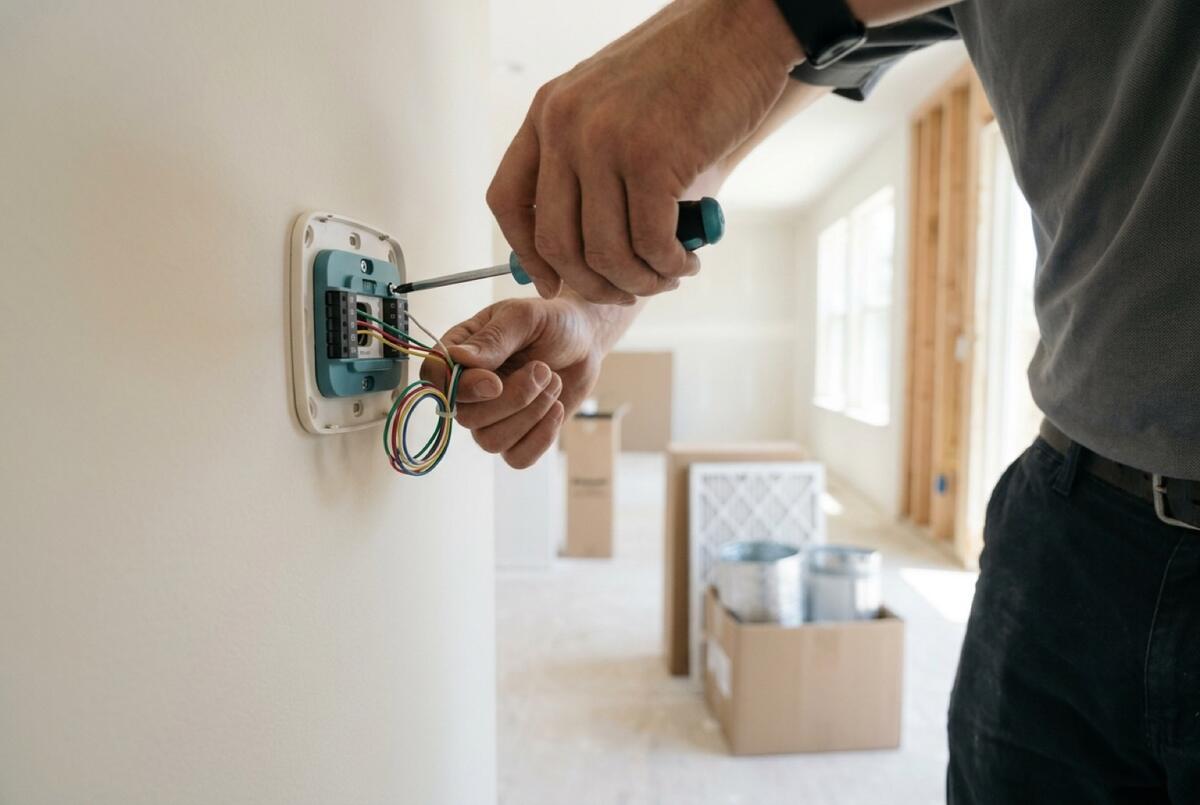
Thermostat Repair & Installation in Sacramento
A blank, miswired, or mismatched thermostat can make a healthy system look broken. 916air fixes control and wiring faults and installs smart thermostats that actually match your HVAC equipment.
- Licensed technicians
- Diagnostic-first
- Written options
Is the thermostat behind a no-heat or no-cool call?
The thermostat is often the misdiagnosis
Before condemning a furnace or AC, a good technician rules out the control. A blank screen, a wrong reading, or a system that won't respond is frequently a wiring fault, a missing C-wire, a tripped condensate float switch, or a thermostat that was never configured for the equipment it controls. We test the control signals and the wiring first, because replacing a compressor or a control board that was never actually broken is an expensive way to fix a thermostat problem. When the control side checks out and the equipment really is at fault, our AC repair and furnace repair diagnostics pick up from there — but we confirm which side is broken before anyone quotes a part.
Written options
Example- 1.Repair the failed partA scary symptom is sometimes a small part.
- 2.Repair plus a related weaknessThe failure, plus the weak spot found on the same visit.
- 3.ReplaceWhen age, repair cost, refrigerant, and comfort math support it.
Thermostats by city
Each city page is written for that city's permits, electric utility, and housing stock — not a swapped city name.
- Thermostats in SacramentoSMUD electric / PG&E gas
- Thermostats in Elk GroveSMUD electric / PG&E gas
- Thermostats in RosevilleRoseville Electric Utility electric / PG&E gas
- Thermostats in FolsomSMUD electric / PG&E gas
- Thermostats in Rancho CordovaSMUD electric / PG&E gas
- Thermostats in Citrus HeightsSMUD electric / PG&E gas
- Thermostats in CarmichaelSMUD electric / PG&E gas
- Thermostats in Fair OaksSMUD electric / PG&E gas
- Thermostats in West SacramentoPG&E electric / PG&E gas
- Thermostats in DavisValley Clean Energy (generation) + PG&E (delivery) electric / PG&E gas
Common signs and when to call
- The thermostat screen is blank or keeps losing power
- The temperature reading doesn't match how the house actually feels
- The system won't turn on, or runs when it shouldn't
- A new smart thermostat won't control heating and cooling correctly
- Short-cycling that started right after a thermostat change
- There's no C-wire and a smart thermostat won't stay powered
- Programmed schedules don't hold or reset on their own
- A heat pump runs the backup electric heat when it shouldn't, a common staging or setup fault
- One thermostat can't keep a two-story house comfortable on both floors at once
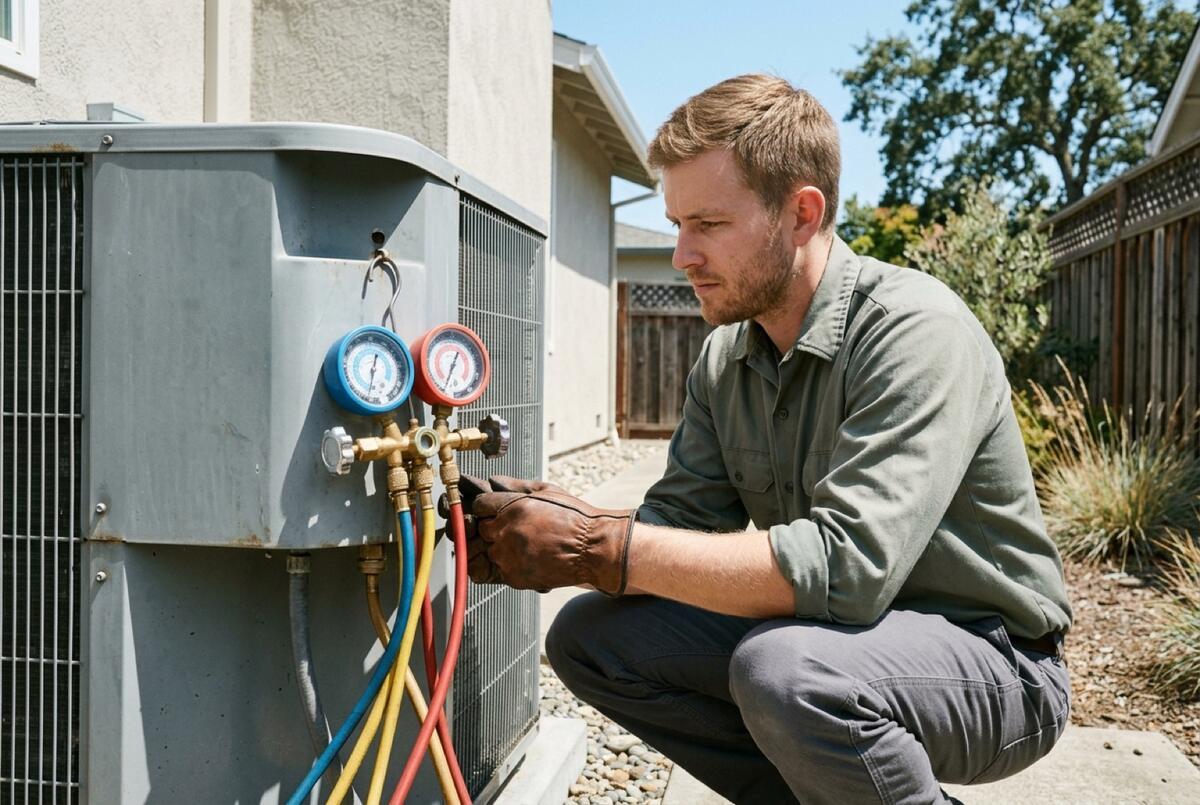
The C-wire — why smart thermostats won't stay powered
The single most common obstacle to a smart-thermostat install in an older Sacramento home is the C-wire, short for common wire. A basic thermostat only needs a couple of wires because it just opens and closes a circuit; a smart thermostat has a screen, Wi-Fi, and a processor that need continuous power, and the C-wire is what delivers it. Many homes built before smart thermostats existed were wired with only four conductors and no dedicated common, so a smart thermostat either won't power on or resorts to "power stealing" that can make the system behave erratically — short-cycling, chattering relays, or a screen that reboots. The fix depends on the wiring: sometimes there's an unused conductor already in the wall we can repurpose as a common, sometimes a proper C-wire has to be run, and sometimes a manufacturer's power-adapter module at the air handler is the cleaner answer. We check what's actually behind the plate before promising a device will work, so you're not left with a smart thermostat that can't stay on.
- SMUD
- Sacramento, Elk Grove, Folsom, Rancho Cordova, Citrus Heights, Carmichael and Fair Oaks
- Roseville Electric Utility
- Roseville
- PG&E
- West Sacramento
- Valley Clean Energy (generation) + PG&E (delivery)
- Davis
Staging and compatibility — matching the thermostat to the equipment
A thermostat isn't a universal part. Single-stage equipment is simple: one call for heat, one for cool. Multi-stage systems run a low stage for mild days and a high stage when demand climbs, and the thermostat has to be wired and configured to drive both — a common configuration miss that leaves a two-stage system stuck on one speed. Heat pumps add a reversing valve and, usually, backup or auxiliary heat, so the thermostat has to know it's controlling a heat pump and when it's allowed to call for the more expensive backup. Dual-fuel setups pair a heat pump with a gas furnace and need the thermostat to hand off between them at the right outdoor temperature — get that wrong and the system either runs costly backup heat too soon or the furnace when the heat pump would do. We set the thermostat up for your specific configuration and verify each stage and heat source actually responds, which matters as much on a heat pump as on any high-efficiency furnace.
| System type | What the thermostat must do | Common setup miss |
|---|---|---|
| Single-stage | One call for heat, one for cool | Usually wiring or power (a missing C-wire), not configuration |
| Multi-stage | Drive a low stage and a high stage | Wired or set for one stage, so the system is stuck on one speed |
| Heat pump | Run the reversing valve and decide when backup heat may run | Set up like a gas furnace, so costly backup heat runs too often |
| Dual-fuel | Hand off between the heat pump and the gas furnace at the right outdoor temperature | Backup runs too soon, or the furnace runs when the heat pump would do |
When one thermostat isn't enough — zoning
A single thermostat measures temperature in one spot and controls the whole house from it, which is why a two-story Sacramento home so often has a comfortable downstairs and a hot upstairs no matter where you set it. Zoning divides the house into areas, each with its own thermostat and motorized dampers in the ducts, so the system sends conditioned air where it's called for instead of everywhere at once. Done right, zoning can even out floors and rooms that a single thermostat can't balance. It isn't the answer to every comfort complaint, though — if the real problem is leaky or undersized ducts, zoning layered on top of a delivery problem just moves the imbalance around. We look at the ductwork and airflow first and tell you honestly whether zoning, a duct correction, or a targeted mini-split is the right fix for the room that won't keep up.
Smart thermostats have to match the system
A smart thermostat is only an upgrade if it fits the equipment. Multi-stage systems, heat pumps, and dual-fuel setups need a thermostat that supports them and the wiring to drive it — often a C-wire that older homes don't have. Many Sacramento houses were built before smart thermostats existed, so the install is as much about the wiring as the device. Beyond compatibility, the features people actually use — scheduling, remote control, and continuous fan circulation that helps push air through better filtration during smoke season — only work when the thermostat is set up correctly for the system underneath it. We confirm compatibility and configure the thermostat for your actual system so it controls stages and heat sources correctly instead of fighting them.
How it works
- 1
Diagnose the control
Test the thermostat, wiring, and control signals to confirm whether the fault is the thermostat or the equipment.
- 2
Check compatibility
Verify wiring and C-wire availability against the system type — single-stage, multi-stage, heat pump, or dual-fuel.
- 3
Repair or install
Fix the wiring or control fault, or install a matched thermostat and configure it for your equipment.
- 4
Verify
Confirm every mode — heat, cool, fan, and any staging — responds correctly before finishing.
What affects the cost
- Whether the fix is a wiring/control repair or a full thermostat replacement
- The thermostat model and whether the system needs multi-stage or heat-pump support
- Whether a C-wire has to be run, or a power-adapter module added, for a smart thermostat to stay powered
- The system type — a heat pump or dual-fuel setup requires more careful configuration
- Access to the wiring and the condition of the existing low-voltage runs
- Whether zoning with multiple thermostats and dampers is involved rather than a single control
Related services
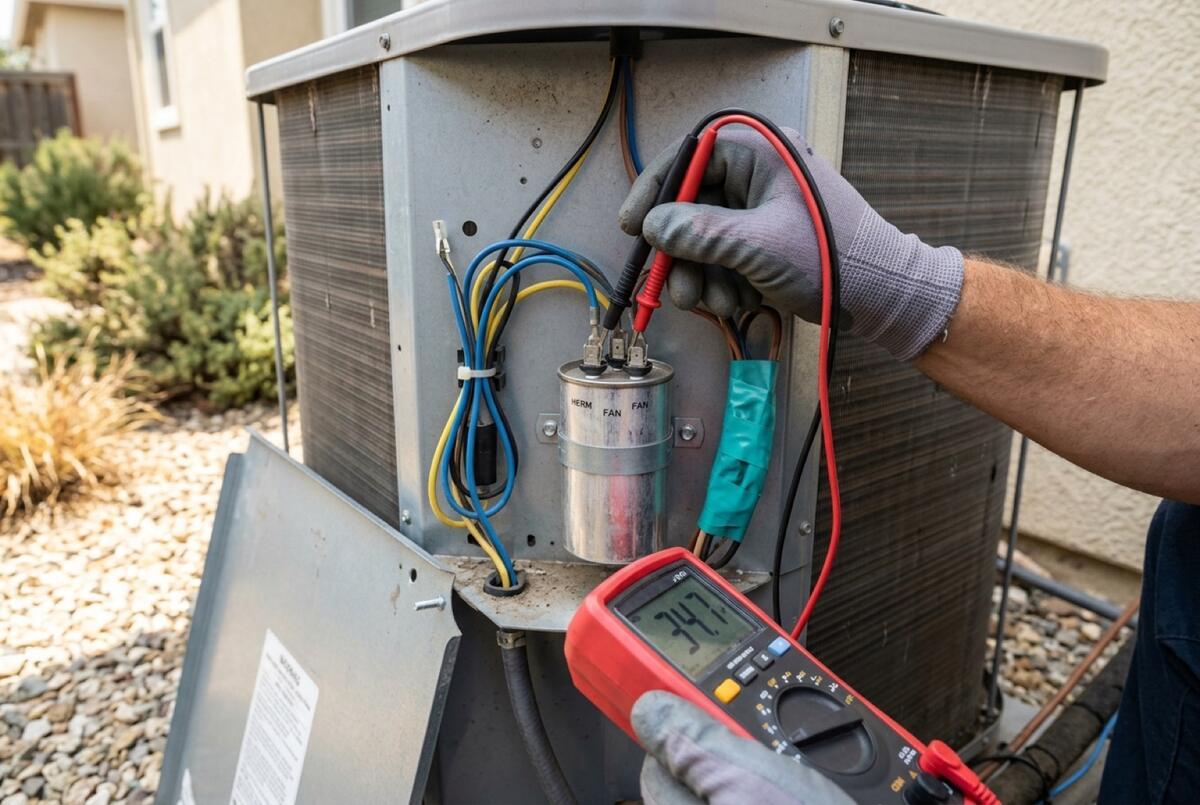
AC Repair
Find the real failure. Fix what's actually broken.
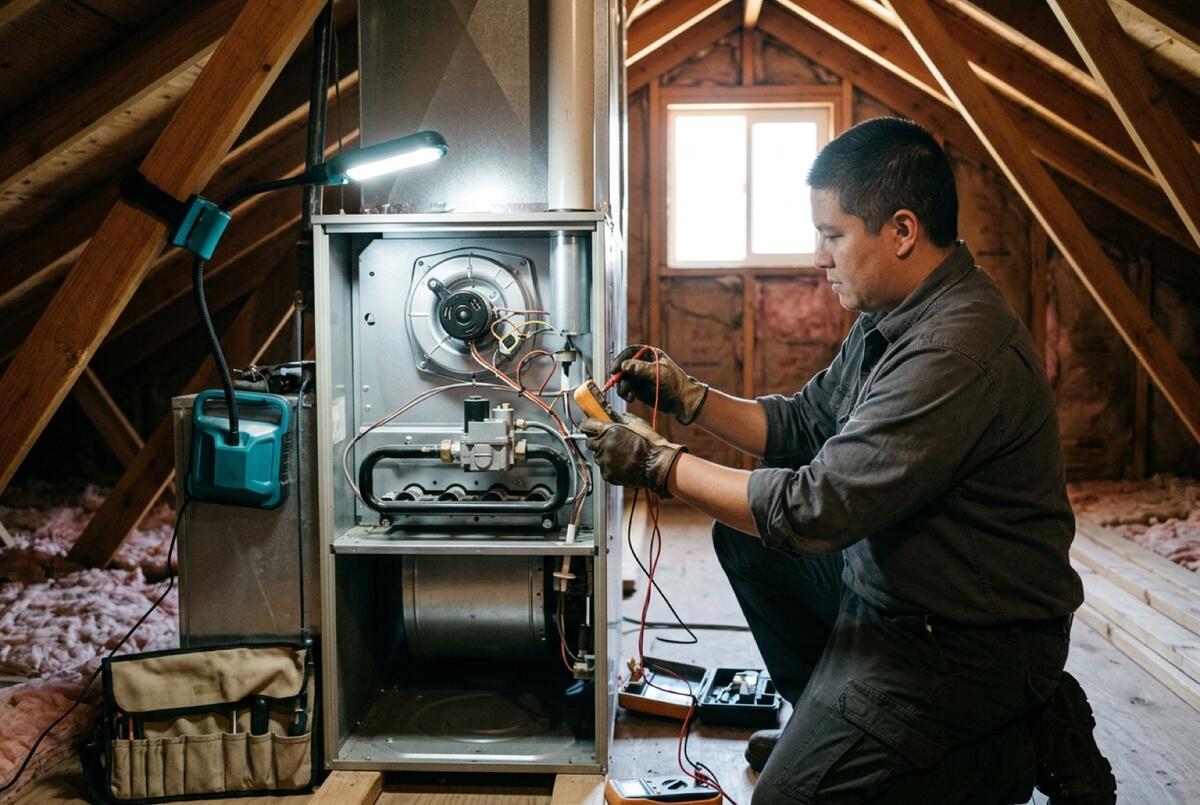
Furnace Repair
Heat back on, explained in plain language.
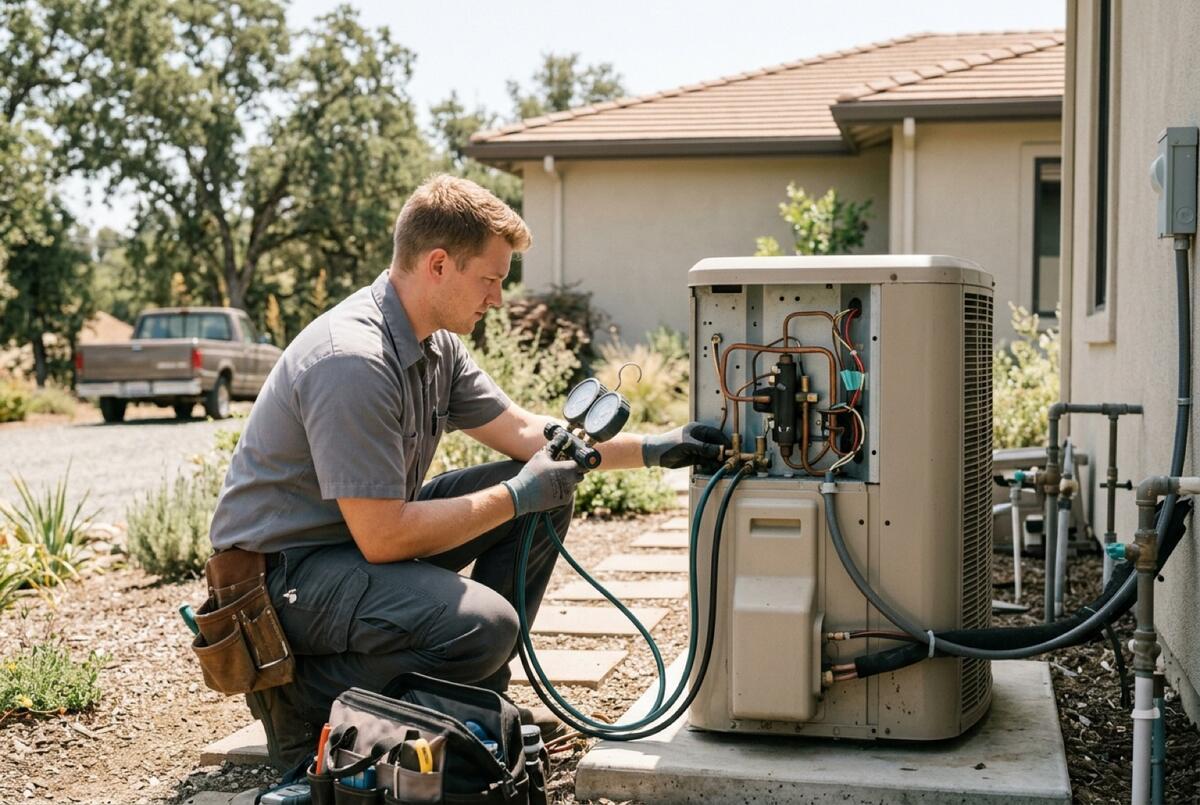
Heat Pump Repair
Repairs that respect the system's math.
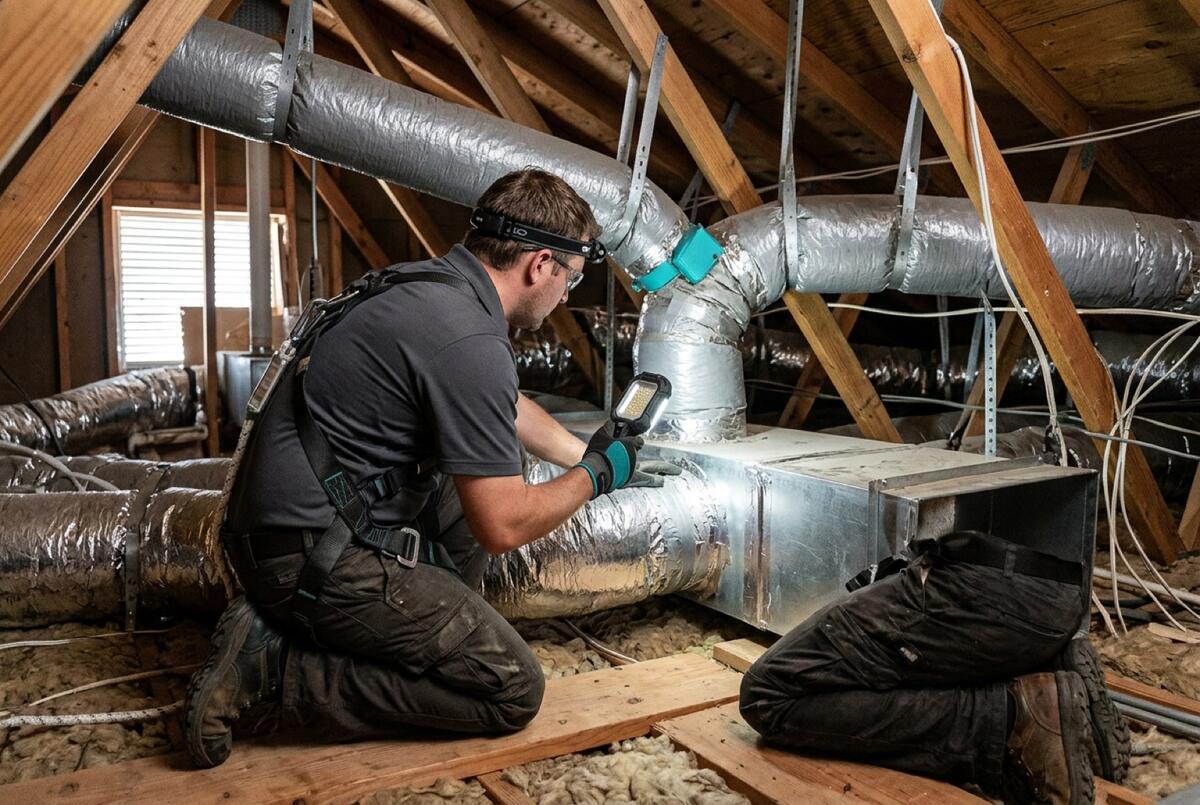
Ductwork & Airflow
Fix the delivery, not just the equipment.
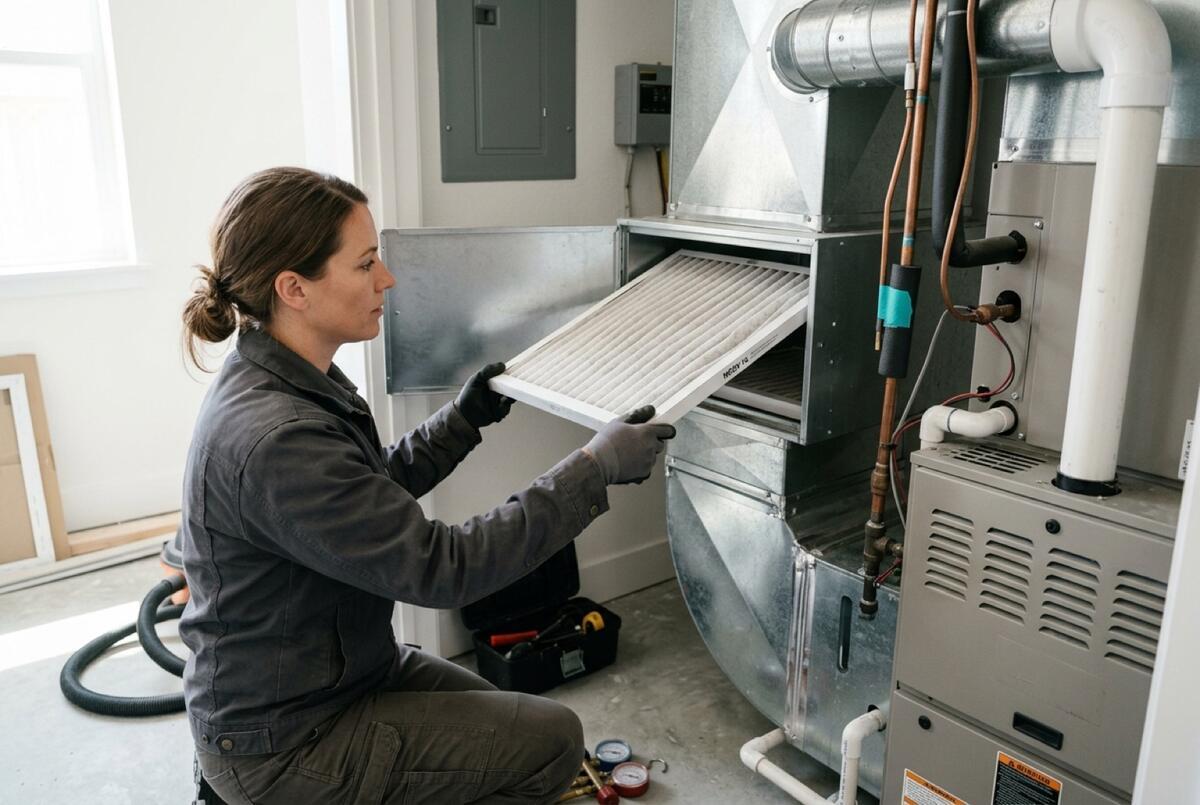
Air Quality
Cleaner air without the gimmicks.
Related guides
Repair or Replace Your HVAC System? A Sacramento Decision Guide
Deciding whether to repair or replace your AC or furnace? Weigh age, repair cost, refrigerant, efficiency, and comfort, plus the $5,000 test.
Guide · Reviewed
Frequently asked questions
My thermostat is blank — is my whole system broken?
Often not. A blank thermostat is commonly a dead battery, a wiring fault, or a tripped condensate float switch cutting power to the control circuit — not a failed furnace or AC. We test the control side first so you're not paying to fix equipment that was never broken.
Can I put any smart thermostat on my system?
Not always. Multi-stage systems, heat pumps, and dual-fuel setups need a thermostat that supports them, and many require a C-wire that older Sacramento homes don't have. We confirm compatibility and handle the wiring so the thermostat controls your equipment correctly instead of causing short-cycling.
What is a C-wire, and do I need one?
The C-wire, or common wire, delivers the continuous power a smart thermostat's screen and Wi-Fi need. A basic thermostat doesn't require one, but most smart models do. Many older homes were wired without a dedicated common, so the install may involve repurposing an unused conductor, running a new C-wire, or adding a manufacturer's power-adapter module. We check the wiring before promising a device will work.
Why did my system start short-cycling after a new thermostat?
Usually a configuration or wiring issue — a thermostat set for the wrong system type, staging wired incorrectly, or a smart thermostat 'stealing power' without a proper C-wire can all make the equipment turn on and off too often. We check the setup against your actual system and correct the configuration or wiring so it cycles properly.
Will one smart thermostat fix my hot upstairs?
Usually not on its own. A single thermostat controls the whole house from one spot, so it can't balance a hot upstairs against a cool downstairs. Zoning with multiple thermostats and dampers can, but if the real issue is leaky or undersized ducts, the ductwork and airflow has to be addressed first — otherwise zoning just relocates the imbalance. We diagnose the cause before recommending a control-only fix.
Do I need a new thermostat, or can mine be repaired?
It depends on the fault. Wiring problems, a missing C-wire, or a tripped safety are repairs, not replacements. If the thermostat itself has failed or can't support your equipment, we recommend one that matches the system — but we don't push a new device when a repair solves it.
Get a thermostat estimate for your Sacramento home
916air serves the greater Sacramento region. Send the details and we'll come back with a written, site-specific scope.