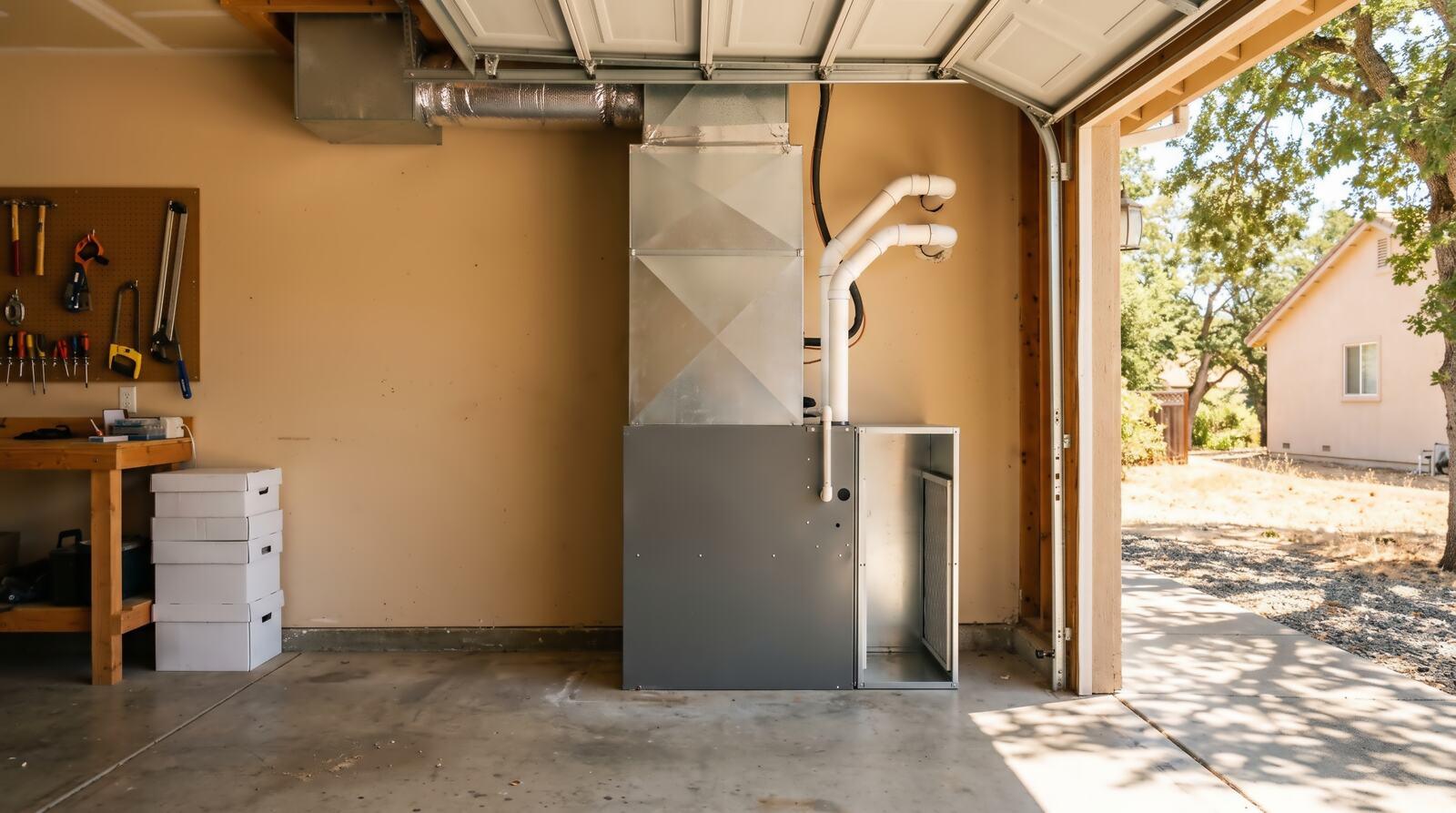
Furnace Installation & Replacement in Sacramento
Replacing a furnace is a chance to pick the right heat source, not just swap the old one. 916air walks through gas, dual-fuel, and heat pump options with honest sizing and a written scope before you commit.
- Licensed technicians
- Diagnostic-first
- Written options
What should replace an old furnace in Sacramento?
Gas, dual-fuel, or heat pump — the real decision
Sacramento's climate makes this worth thinking through instead of defaulting. A straight gas furnace heats reliably and is the simplest swap, especially if you already have gas service and good venting. A heat pump heats and cools on one electric system and suits our mild winters well, with qualifying projects potentially eligible for SMUD rebates — though eligibility depends on the current program, the equipment, and contractor requirements, and always has to be verified before you count on it. A dual-fuel setup pairs a heat pump with a gas furnace: the efficient heat pump carries most of the season, and the gas furnace takes over on the coldest mornings when a heat pump works hardest. We explain the tradeoffs of each against your ducts, electrical panel, and budget rather than steering you to one answer. If you're comparing the electric path in detail, our heat pump installation page covers sizing and rebate basics, and the repair-or-replace decision guide helps sort whether it's time to replace at all.
| Option | How it heats | Best fit | Watch-outs |
|---|---|---|---|
| Gas furnace | Burns natural gas | The simplest swap when gas service and venting are already good | Combustion venting and carbon monoxide safety; heats only |
| Heat pump | Moves heat on one electric system that also cools | Mild winters; qualifying projects may be eligible for SMUD rebates (verify first) | Needs good airflow and electrical panel capacity |
| Dual-fuel | Heat pump carries most of the season; the gas furnace takes the coldest mornings | Homes keeping gas that want heat-pump efficiency | Two heat sources to size and set up |
Furnace Installation by city
Each city page is written for that city's permits, electric utility, and housing stock — not a swapped city name.
- Furnace Installation in SacramentoSMUD electric / PG&E gas
- Furnace Installation in Elk GroveSMUD electric / PG&E gas
- Furnace Installation in RosevilleRoseville Electric Utility electric / PG&E gas
- Furnace Installation in FolsomSMUD electric / PG&E gas
- Furnace Installation in Rancho CordovaSMUD electric / PG&E gas
- Furnace Installation in Citrus HeightsSMUD electric / PG&E gas
- Furnace Installation in CarmichaelSMUD electric / PG&E gas
- Furnace Installation in Fair OaksSMUD electric / PG&E gas
- Furnace Installation in West SacramentoPG&E electric / PG&E gas
- Furnace Installation in DavisValley Clean Energy (generation) + PG&E (delivery) electric / PG&E gas
Common signs and when to call
- The furnace is 15-20+ years old and repairs are adding up
- A major component has failed — control board, inducer motor, or heat exchanger
- A cracked or suspect heat exchanger has been flagged as a safety issue
- Heating is uneven or the system never quite keeps the house comfortable
- You're replacing the AC anyway and want to evaluate the whole system as one project
- You're weighing a heat pump or dual-fuel setup instead of a like-for-like gas swap
- Rising energy costs have you reconsidering how the home is heated
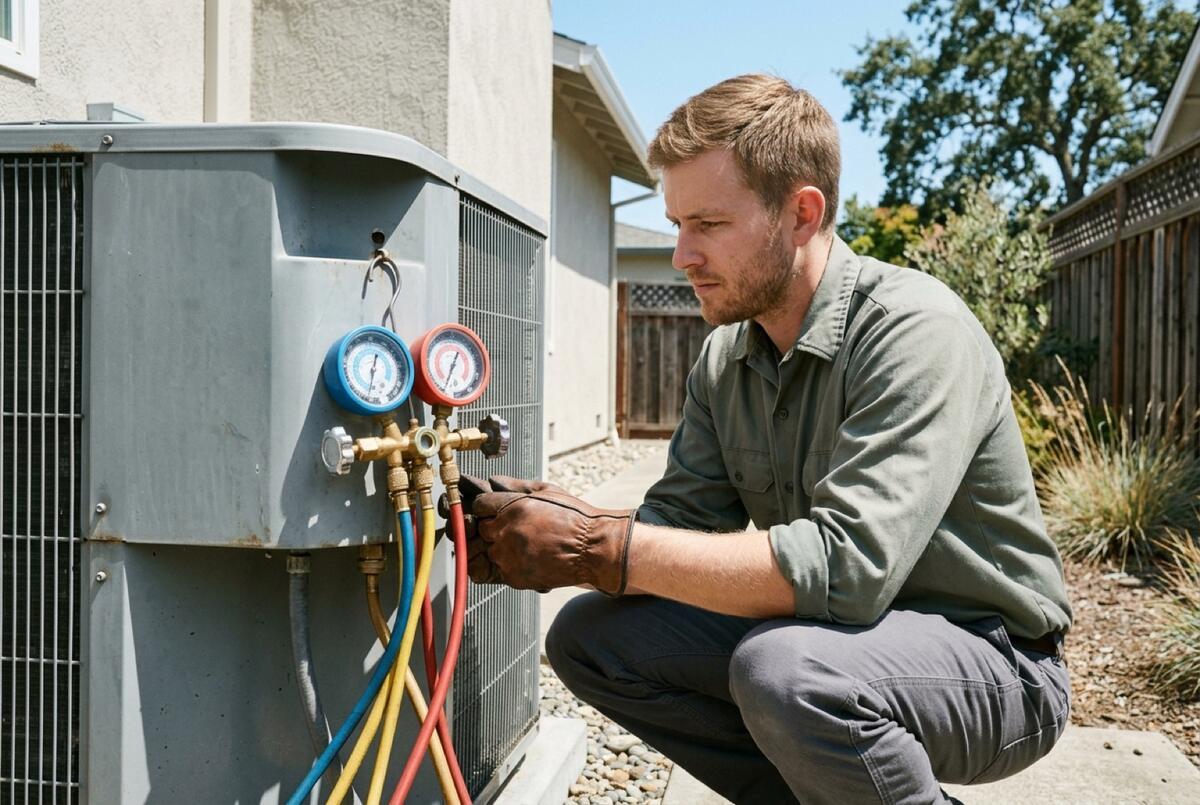
How gas furnaces are rated — AFUE, staging, and efficiency
If you go with gas, the efficiency number to know is AFUE (Annual Fuel Utilization Efficiency) — in ENERGY STAR's definition (opens in new tab), the percentage of the heat in the incoming fuel that becomes space heat instead of being lost. ENERGY STAR certifies gas furnaces only at 95% AFUE or higher. Those high-efficiency condensing furnaces pull extra heat out of the exhaust, which is why they vent through PVC rather than metal and produce condensate that needs a drain. Beyond raw efficiency, staging changes comfort: a single-stage furnace runs full-blast or off, while two-stage and modulating furnaces run longer at lower output, which holds temperature more evenly and cuts the on-off cycling that makes rooms feel drafty. In Sacramento's mild winters, a home rarely needs maximum output — so a modulating or two-stage furnace paired with a variable-speed blower often delivers better real-world comfort than simply buying the highest AFUE number on the shelf. We match the staging and efficiency tier to how the home actually loses heat, not to a spec sheet.
Sizing and ducts still decide comfort
Whichever heat source you choose, it has to be sized to the home with a Manual J load calculation — not matched to the old unit's rating. Many older furnaces were badly oversized to begin with, so copying the nameplate just carries the mistake forward. Oversized heating short-cycles, wastes fuel, and leaves the far rooms cold because the burner satisfies the thermostat before the air fully distributes; undersized never keeps up on the coldest mornings. And like a cooling swap, the ducts decide whether it performs. Sacramento attic duct runs commonly leak at the joints and returns are often undersized, so new equipment on old ducts underdelivers no matter how efficient the box is. A heat pump in particular moves more air at lower supply temperatures, so it depends on good airflow to heat efficiently. We check the delivery side — supply runs, returns, and static pressure — before quoting any of the options, and flag ductwork and airflow work when the ducts are the real bottleneck.
Combustion safety, venting, and the heat exchanger
A gas furnace burns fuel inside the home, so the install is as much a safety job as a comfort one. The heat exchanger is the metal wall that keeps combustion gases separate from the air you breathe; a crack in it is the reason a suspect heat exchanger gets a furnace condemned rather than patched. A proper change-out confirms the venting is sized and pitched correctly, checks for backdrafting, and verifies combustion air is adequate — especially in tight, newer homes or when a high-efficiency condensing furnace changes the venting requirements. Carbon monoxide safety is not an upsell; it's the baseline. When we install or replace a gas furnace, combustion and venting are verified as part of closing out the job, and the permit inspection is a second set of eyes on that work.
Permits, electrical, and a written scope
Every replacement estimate spells out:
- The Manual J load-calculated size and the heat-source options that fit your home
- Gas, dual-fuel, and heat pump tradeoffs, with rebate eligibility flagged for verification
- Duct, return, and static-pressure work the chosen system requires to perform
- Electrical panel capacity, which matters for a heat pump or dual-fuel conversion
- That HVAC change-outs require a permit, and which authority applies to your address
- Combustion safety, venting, and condensate handling for any gas equipment involved
- City building department
- Sacramento, Elk Grove, Roseville, Folsom, Rancho Cordova, Citrus Heights, West Sacramento and Davis
- Sacramento County
- Carmichael and Fair Oaks
How it works
- 1
Load calculation
Run a Manual J load calculation instead of copying the old furnace's rating, and check ducts, returns, and static pressure.
- 2
Compare heat sources
Lay out gas, dual-fuel, and heat pump options against your ducts, electrical, budget, and comfort goals.
- 3
Written estimate
Give you the full scope, equipment options, permit requirements, and rebate eligibility to verify — in writing.
- 4
Install and verify
Complete the change-out, pull the permit, confirm combustion safety and venting where they apply, and verify designed performance.
What affects the cost
- The heat source chosen — gas furnace, heat pump, or dual-fuel — and its efficiency tier (AFUE or heat-pump rating)
- Single-stage versus two-stage or modulating equipment, and whether a variable-speed blower is included
- The Manual J load-calculated size and the condition of the existing ductwork and returns
- Electrical panel capacity, especially for a heat pump or dual-fuel conversion
- Permit requirements for your jurisdiction (city vs county)
- Venting, combustion, and condensate work for gas equipment, or line-set and electrical work for a heat pump
See planning ranges in the Furnace Replacement Cost in Sacramento: Planning Ranges.
Planning tools
HVAC replacement cost calculator
Planning ranges for AC, furnace, heat pump, and mini-split replacement.
Related services
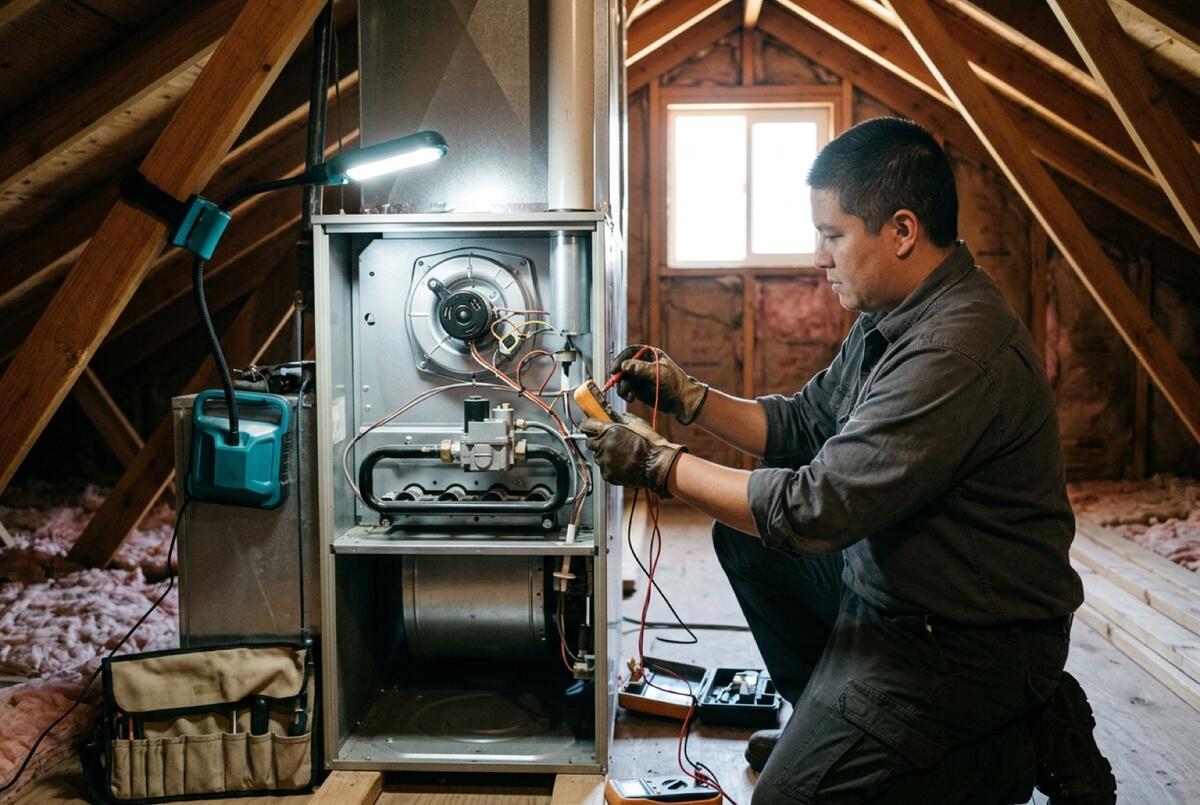
Furnace Repair
Heat back on, explained in plain language.
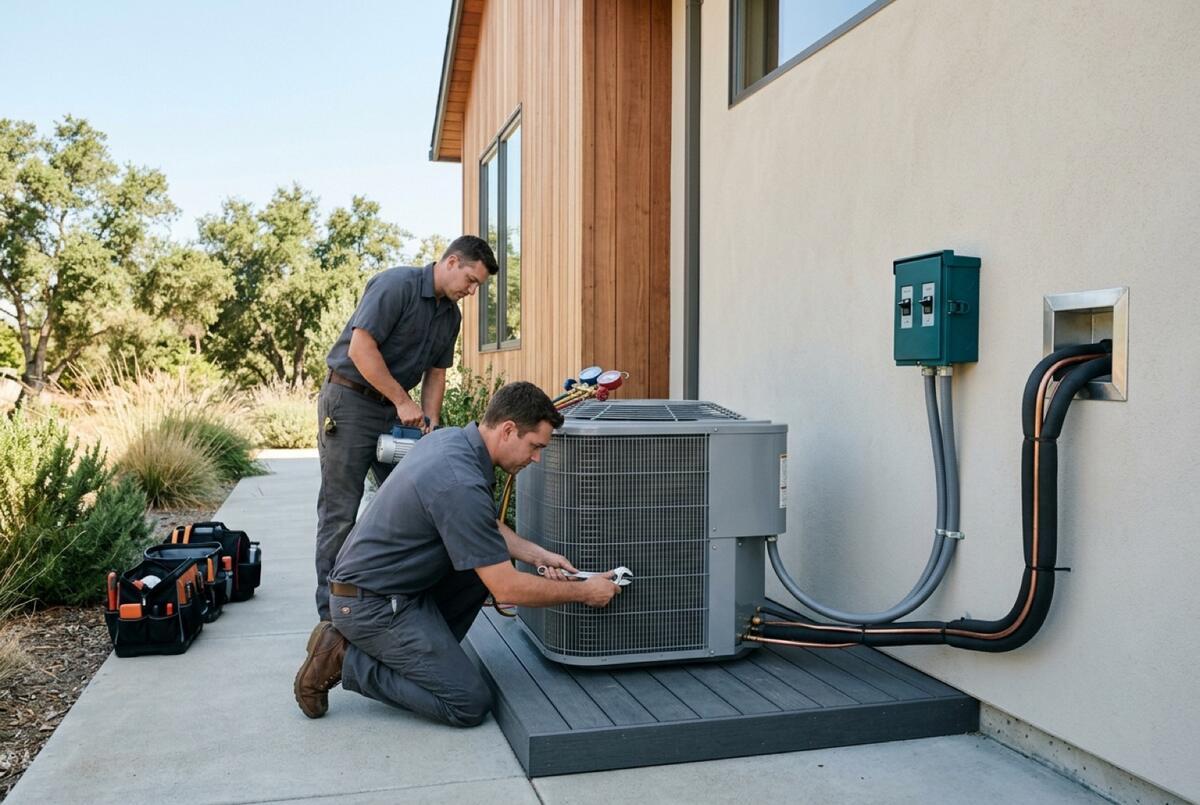
Heat Pump Install
Heating and cooling on one efficient system.
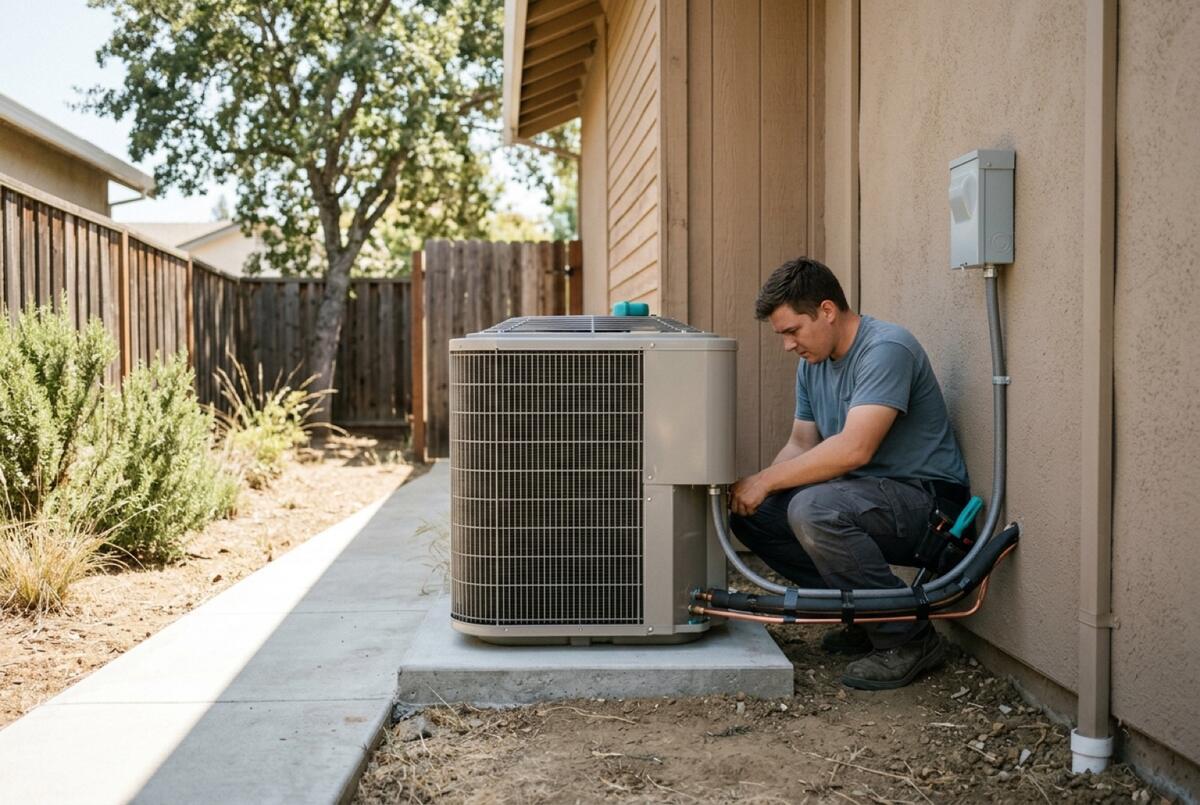
AC Installation
Right-sized replacement with a written scope.
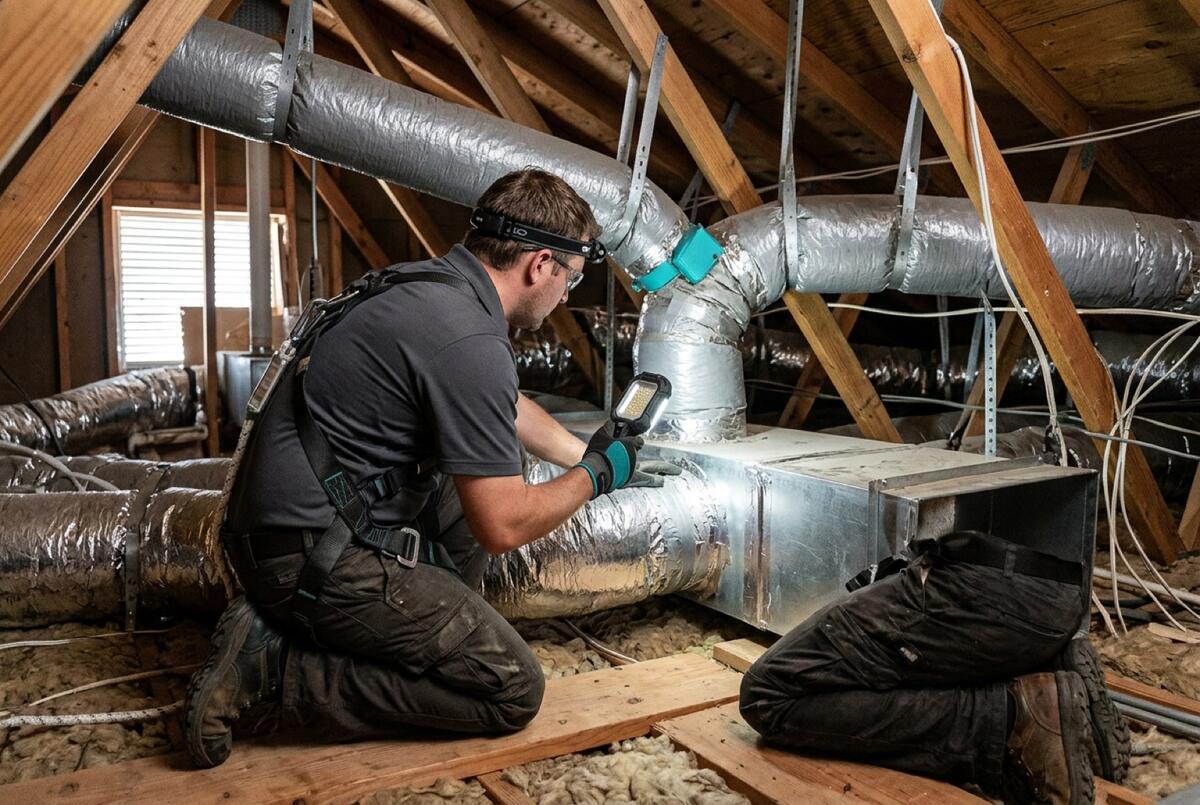
Ductwork & Airflow
Fix the delivery, not just the equipment.
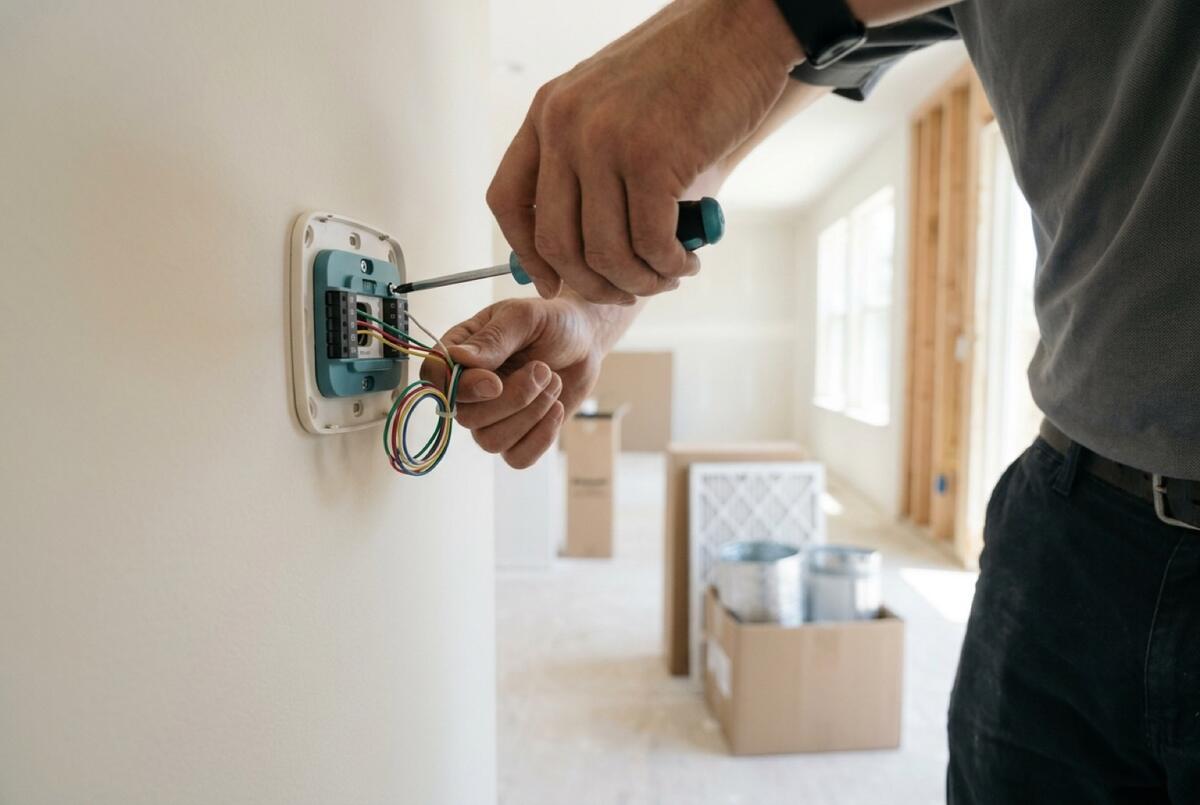
Thermostats
Controls that do what you tell them.
Related guides
Repair or Replace Your HVAC System? A Sacramento Decision Guide
Deciding whether to repair or replace your AC or furnace? Weigh age, repair cost, refrigerant, efficiency, and comfort, plus the $5,000 test.
Guide · ReviewedDo You Need a Permit to Replace HVAC in Sacramento?
Replacing an AC or furnace in the Sacramento area needs a permit — and who issues it depends on your city or unincorporated county address. Here's how it works.
Guide · ReviewedSMUD Heat Pump Rebates: What Sacramento Homeowners Should Know
SMUD offers heat pump rebates for qualifying Sacramento-area homes, but amounts and eligibility change. Here's how the program works and what to verify first.
Guide · ReviewedHeat Pump vs. Gas Furnace in Sacramento: Cost, Comfort, and Rebates
Heat pump, gas furnace or dual fuel? Compare comfort, the utility that serves your city, SMUD rebates, and duct and panel needs, with dated official sources.
Guide · Reviewed
Frequently asked questions
Should I replace my furnace with gas, a heat pump, or dual-fuel?
In Sacramento's mild winters, all three are worth comparing. Gas is the simplest swap; a heat pump heats and cools on one electric system and may qualify for rebates; dual-fuel runs a heat pump most of the year and falls back to gas on the coldest days. We lay out the tradeoffs against your ducts, electrical panel, and budget rather than defaulting you to one. If a heat pump is on the table, our heat pump cost guide gives a planning range.
Do I need a permit to replace my furnace?
Yes. Furnace change-outs require a permit in this region, and the authority depends on where you live — City of Sacramento, Sacramento County, or a neighboring jurisdiction. We identify the applicable authority as part of the written scope. Our permit guide explains how it works by area.
Are there rebates for switching to a heat pump?
Qualifying heat pump projects in SMUD territory may have rebate options, but eligibility depends on the current program, the equipment, and contractor requirements — so we never promise an amount or approval. If you're considering a heat pump or dual-fuel setup, we flag what to verify before you count on it.
What size furnace does my house need?
It comes from a Manual J load calculation, not the old unit's rating. Square footage, insulation, windows, and duct condition all factor in. Many older furnaces were oversized from the start, so copying the nameplate carries that error forward. Oversized heating short-cycles and wastes fuel; undersized never keeps up. We size to the load so the system matches your home.
What does AFUE mean, and is a 96% furnace worth it?
AFUE is the share of the fuel's heat that becomes space heat (ENERGY STAR's definition), so a 96% AFUE furnace loses about 4%. Higher AFUE lowers gas use, but a condensing furnace also needs PVC venting and a condensate drain, which affects install cost. In our mild climate the comfort gain from two-stage or modulating operation often matters as much as the raw AFUE number, so we weigh both against your home rather than defaulting to the highest figure.
My heat exchanger is cracked. Can it just be replaced?
Sometimes, but it's rarely the smart money on an older furnace. A cracked heat exchanger is a carbon monoxide safety issue, and the part plus labor on an aging system often approaches the cost of a full replacement — without addressing anything else that's near end of life. We'll give you the honest comparison rather than a reflexive quote either way.
Can I put a new furnace on my existing ducts?
Often yes, but the ducts have to be checked first. Leaky attic runs and undersized returns are common in Sacramento homes and will hold back even a high-efficiency furnace. We measure static pressure and inspect the duct system as part of the scope, and tell you plainly if duct or return work is needed for the new equipment to deliver what it's rated for.
Get a furnace replacement estimate for your Sacramento home
916air serves the greater Sacramento region. Send the details and we'll come back with a written, site-specific scope.