How Much Does Furnace Replacement Cost in Sacramento?
What does furnace replacement cost in Sacramento? See the planning range for a furnace-only change-out, the factors that move it, and how to compare quotes.
Last reviewed:
Planning ranges
| Scope | Planning range | What's in it |
|---|---|---|
| Furnace only | $4,500–$9,500per project | Replaces the furnace while your existing AC or coil stays. A planning estimate only — home size, furnace efficiency, venting, and access move it, and the exact figure comes from an on-site inspection. |
What moves the cost
- Equipment size — furnace output is set by a load calculation for the home, not copied from the old unit; an oversized furnace short-cycles and heats unevenly.
- Efficiency level — a higher-efficiency (condensing) furnace costs more upfront and can change the venting; the top of the range reflects that choice.
- Ductwork condition — leaky or undersized ducts may need sealing or resizing, shown separately from the base furnace swap.
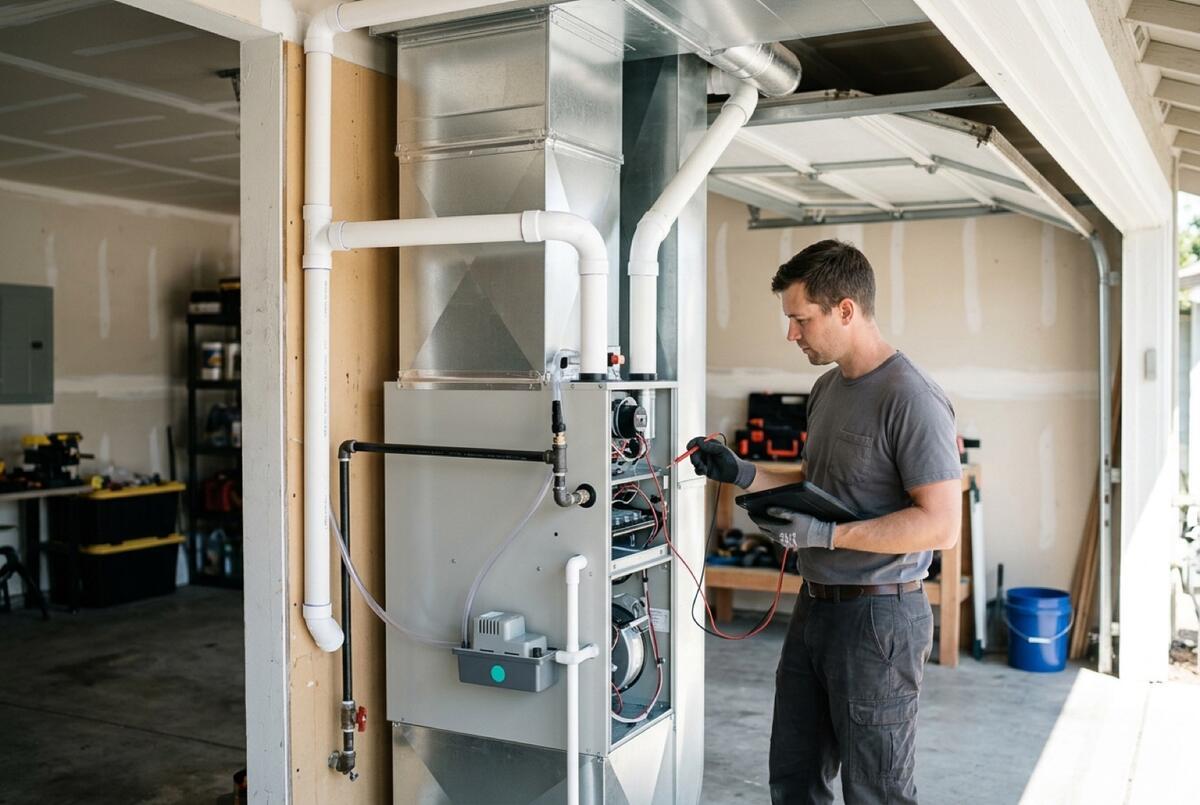
- Venting — moving from a standard to a high-efficiency furnace can require different venting, which affects labor and materials.
- Electrical and gas connections — most swaps reuse existing connections, but older setups occasionally need updating; the inspection confirms this.
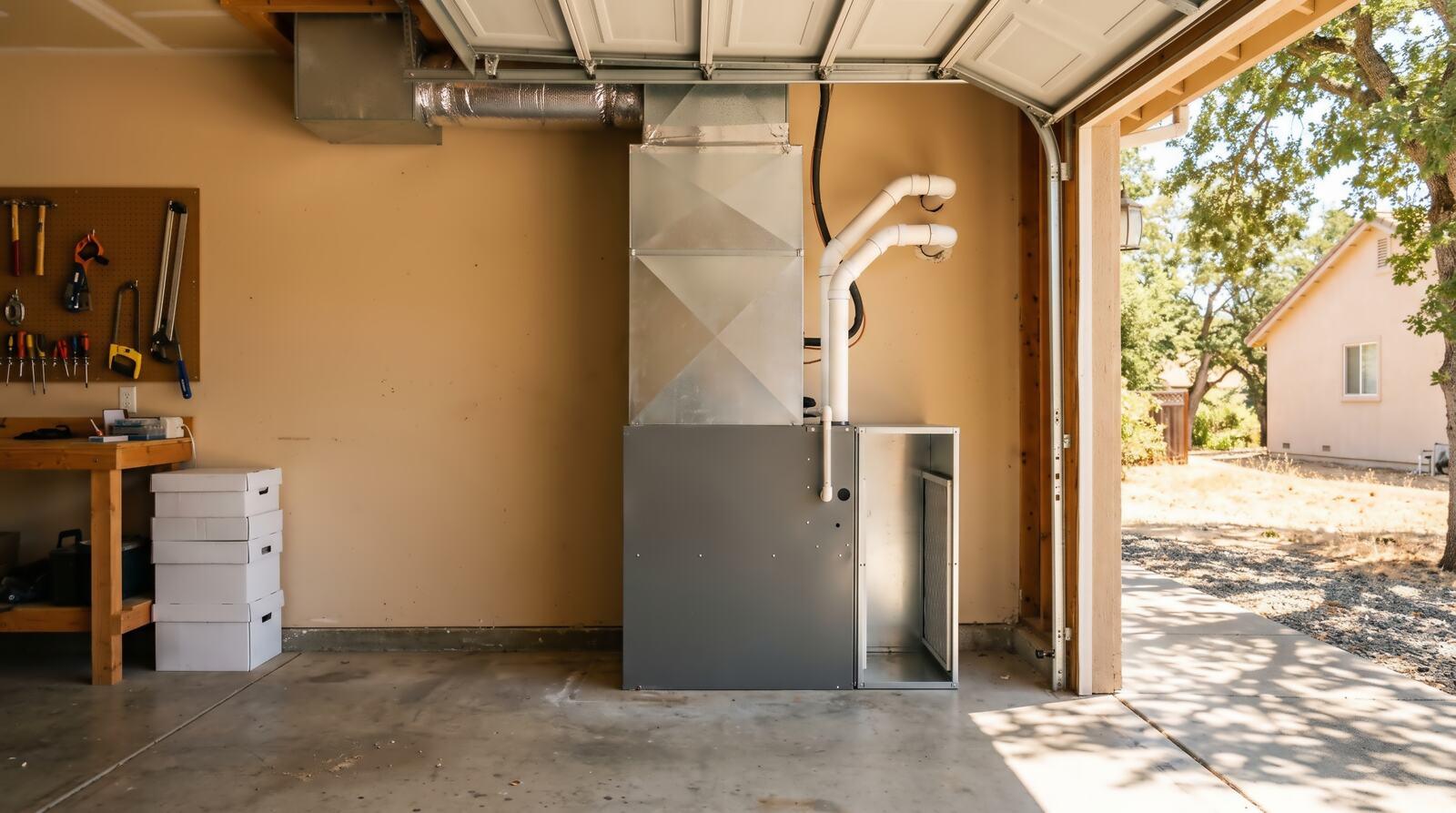
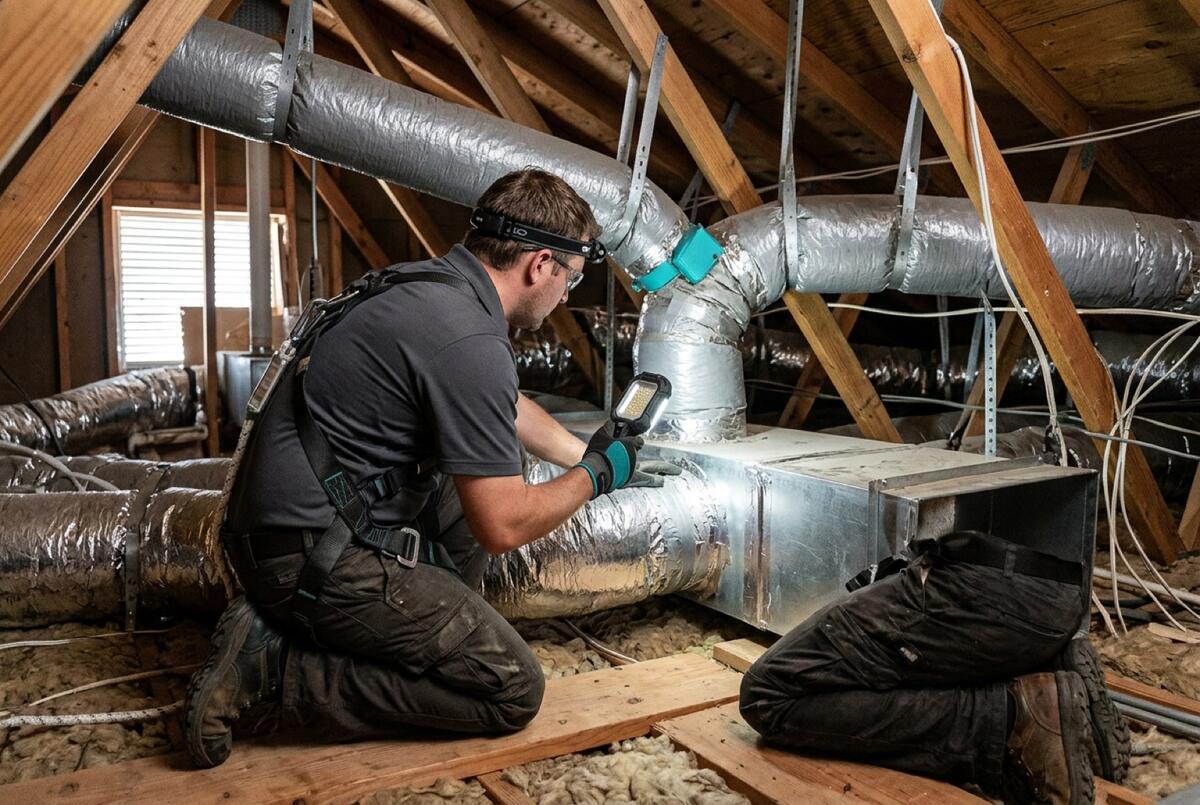
- Access — attic and closet furnaces or tight mechanical spaces add labor versus an easy garage location.
- Permits — a furnace change-out requires a permit region-wide, with the jurisdiction depending on your address (city vs county).
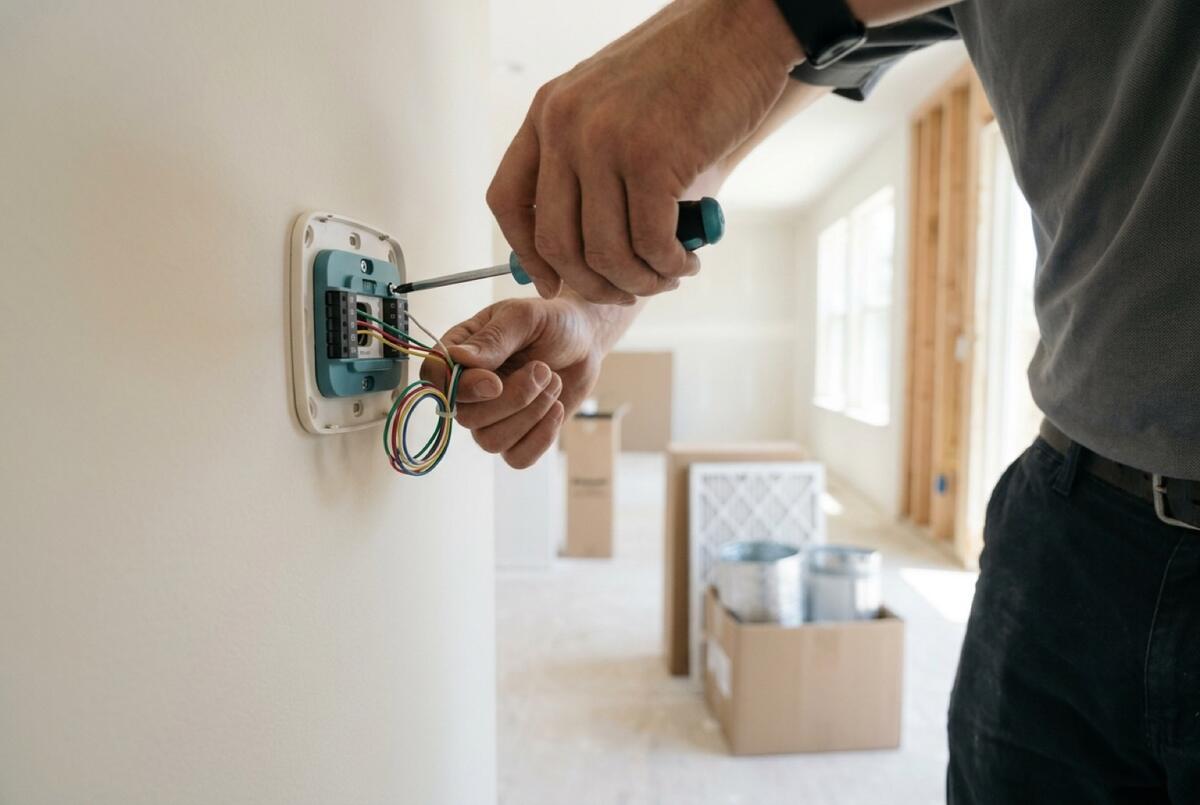
- Thermostat and controls — matching the thermostat to the new furnace can be a small add.
- Combustion safety — a new gas furnace may need a fresh gas-line check, condensate drain for a condensing unit, or a carbon-monoxide safety verification, which the inspection covers.
Sacramento-specific factors
- Heat load — Sacramento's winters are mild, so right-sizing matters; an oversized furnace is a common and avoidable overspend here.
- Older ducts — pre-war and mid-century homes often have original duct runs that affect heating comfort and may need sealing during a replacement.
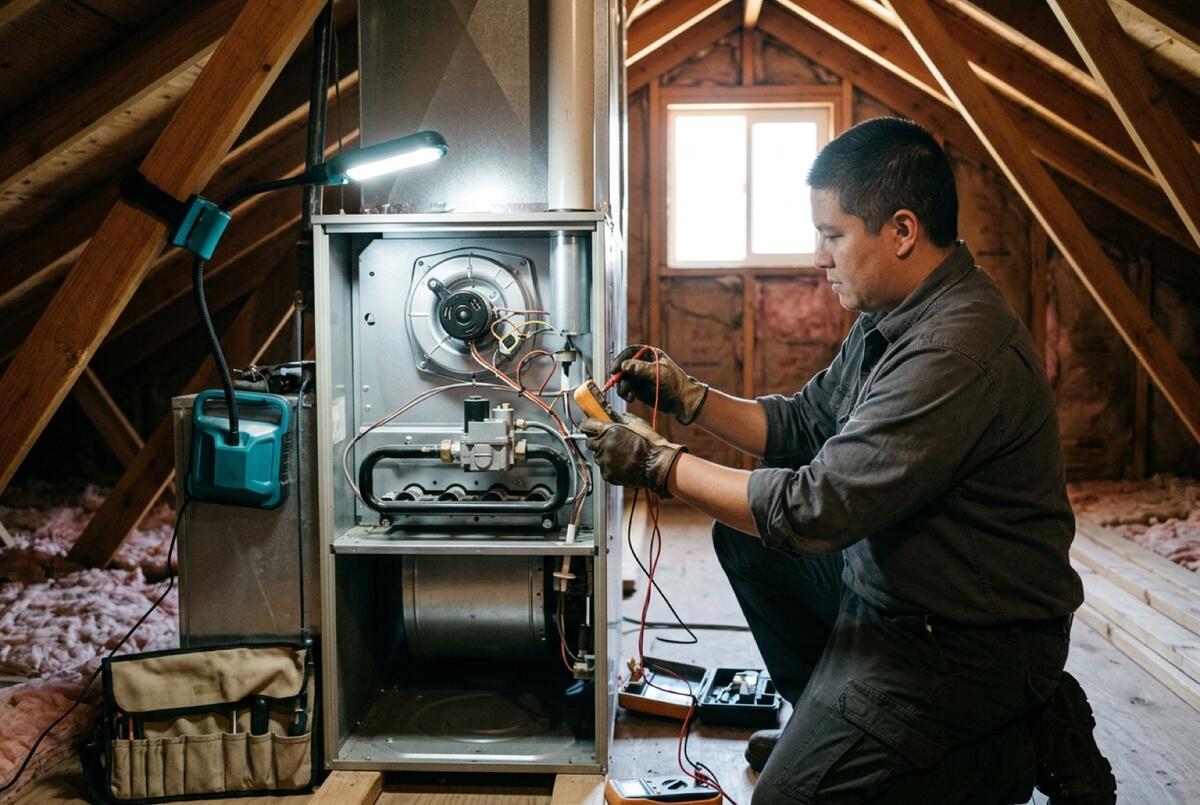
- Attic conditions — attic-mounted furnaces are common in the region, and tight or hot attics add to the labor and access side of the job.
- Jurisdiction — permit authority differs; incorporated cities issue their own, while unincorporated Carmichael and Fair Oaks permit through Sacramento County.
- Title 24 duct testing — California's energy code can require a duct-leakage test on a change-out, so a home with leaky ducts may need sealing to pass, which the inspection flags.
- PG&E gas / heat pump alternative — PG&E is the gas provider region-wide; if you're reconsidering gas heat, a heat pump is worth comparing, and it has its own cost guide.
What's included in the range (and what isn't)
The planning range covers the core replacement: a qualifying furnace, standard labor, a standard installation, and the permit. It excludes the variable extras an inspection surfaces — duct replacement or major sealing, venting changes tied to an efficiency upgrade, and difficult access. Because those depend on the specific home and the efficiency you choose, we show a range and give the exact number in writing after seeing the equipment and the space around it. A quote that lands suspiciously below the low end of this range is usually a signal to ask what was left out — the permit, the venting work a high-efficiency unit requires, or the duct condition — rather than a genuine bargain. To see how those choices move the estimate before we visit, the HVAC cost calculator walks the same math, and if you're not certain the furnace even needs replacing, the repair-or-replace guide is the better first stop.
Where the money actually goes: equipment, labor, venting, ductwork, permit
A furnace replacement is a stack of components, not one figure. Equipment — the furnace itself and its controls — is the largest single share, and efficiency choice moves it most. Labor covers pulling the old unit, setting the new one, reconnecting gas and electrical, and start-up; an attic or closet furnace in a tight space costs more to install than a garage location. Venting is the piece most unique to furnaces: a standard furnace typically reuses existing venting, but a high-efficiency condensing furnace vents differently (through PVC to the exterior) and needs a condensate drain, which adds labor and materials. Ductwork only enters the number when the inspection finds leaks or undersizing, shown as its own line item rather than folded into the base price, so you can see exactly what you're paying for. The permit is a smaller fixed cost that's non-optional on a change-out, and it comes with an inspection that protects you as much as it satisfies code. Seeing the job as these separate pieces is also what lets you compare two quotes honestly: a lower total that quietly skips the venting a condensing furnace requires isn't cheaper, it's incomplete. Venting and duct condition are the two conditional pieces that most often decide where in the range a specific home lands.
- City building department
- Sacramento, Elk Grove, Roseville, Folsom, Rancho Cordova, Citrus Heights, West Sacramento and Davis
- Sacramento County
- Carmichael and Fair Oaks
Should you replace the furnace alone or the whole system?
Replacing just the furnace makes sense when your AC or coil is relatively young and healthy. If both the furnace and AC are near end of life, a combined change-out is often more cost-effective than two separate projects and keeps the two halves matched — see the AC replacement cost guide for that combined range. And if you're rethinking gas heat altogether, a heat pump replaces both systems with one; whether it pencils out depends on your ducts, electrical, and how long you plan to stay. When you're unsure whether the current furnace is worth keeping at all, the repair-or-replace guide frames that call.
Efficiency and AFUE: what the higher tier actually buys
Furnace efficiency is measured in AFUE (Annual Fuel Utilization Efficiency) — the share of fuel turned into usable heat. Standard furnaces run in the low-to-mid 80s percent; condensing furnaces reach the mid-90s and up, and the U.S. Department of Energy explains the ratings and minimums at energy.gov (opens in new tab). Equipment with the ENERGY STAR label (energystar.gov (opens in new tab)) is certified above the federal floor. The catch specific to Sacramento: a high-AFUE condensing furnace costs more upfront and usually needs new venting and a condensate drain, so the install premium is real. In a mild-winter climate where the furnace runs relatively few hours, the fuel savings can take a long time to recover that premium. That doesn't make the high tier wrong — it makes it a decision worth running against how much you actually heat, rather than a default. We lay out both tiers, including the venting implications, so the choice is deliberate.
Popular add-ons and where they fit
Extras homeowners commonly weigh with a furnace replacement:
- Duct sealing or resizing — correcting leaky or undersized runs improves heating comfort and may be needed to pass a Title 24 duct test; it's ductwork and airflow work shown as its own line.
- New venting / condensate drain — required when moving to a condensing furnace, not an optional upgrade.
- Matched or smart thermostat — a compatible thermostat is a small add; per ENERGY STAR (opens in new tab) it can trim runtime when set up well.
- Improved filtration — a better filter cabinet supports indoor air quality, useful in wildfire-smoke season.
- Carbon-monoxide detector / combustion safety check — inexpensive protection that's worth confirming any time gas equipment is replaced.
How to compare furnace quotes fairly
A low number without a matching scope tells you little. Compare:
- Sizing basis — output set by a load calculation, not the old furnace's rating.
- Efficiency and venting — same AFUE tier across quotes, and whether venting changes are included for a high-efficiency unit.
- Duct and seal details — does the quote address duct condition or assume it's fine?
- Permit — included, with the correct jurisdiction identified.
- Labor and warranty — what labor covers and what the equipment and workmanship warranties say.
What actually moves your number within the range
A furnace-only replacement has a tighter range than a full-system job, but a few conditions still decide where a specific home lands. The largest swing is the efficiency-and-venting pairing: a standard-efficiency furnace typically reuses existing venting and sits lower in the band, while a high-AFUE condensing furnace vents through new PVC to the exterior, needs a condensate drain, and carries both a higher equipment cost and more labor — so choosing the top tier moves the number in two ways at once. The second swing is access: an attic or closet furnace in a tight mechanical space costs more to remove and set than an easy garage location, which is common enough in Sacramento housing to matter. The third is duct condition — leaky or undersized runs surface as a separate sealing line item and may be required to pass a Title 24 duct test on a change-out. The fourth is combustion and connection updates, usually minor, occasionally not, depending on the age of the gas and electrical connections. Because the venting decision and duct condition are the two biggest levers, the on-site inspection focuses there, then puts the exact number in writing for your specific furnace location and efficiency choice.
Standard vs high-efficiency in a mild-winter climate
The efficiency question deserves its own honest look in Sacramento, because the usual national advice to buy the highest-AFUE furnace doesn't always hold here. A condensing furnace turns more fuel into heat, but it costs more upfront and needs different venting, and in a climate where the furnace runs comparatively few hours each winter, the fuel savings can take many years to recover that premium. The U.S. Department of Energy's guidance on furnaces and boilers (opens in new tab) frames the AFUE tradeoff, and ENERGY STAR (opens in new tab)-certified equipment sits above the federal minimum for those who want it — but the right call depends on your actual heating load, not a sticker. If you heat a lot, run cold, or plan to stay long-term, the higher tier can pay off; if your winters are short and your bills are modest, a solid standard-efficiency furnace may be the better value. And if you're rethinking gas heat altogether, a heat pump replaces both heating and cooling with one efficient electric system — a comparison worth running before you default to any furnace tier. We present the options with the venting and payback implications spelled out so the choice is deliberate.
Related services
Furnace Installation
The right heat source, not the default one.
Furnace Repair
Heat back on, explained in plain language.
Heat Pump Install
Heating and cooling on one efficient system.
Ductwork & Airflow
Fix the delivery, not just the equipment.
Thermostats
Controls that do what you tell them.
Related guides
Repair or Replace Your HVAC System? A Sacramento Decision Guide
Deciding whether to repair or replace your AC or furnace? Weigh age, repair cost, refrigerant, efficiency, and comfort, plus the $5,000 test.
Cost and decisions · ReviewedDo You Need a Permit to Replace HVAC in Sacramento?
Replacing an AC or furnace in the Sacramento area needs a permit — and who issues it depends on your city or unincorporated county address. Here's how it works.
Local rules · ReviewedSMUD Heat Pump Rebates: What Sacramento Homeowners Should Know
SMUD offers heat pump rebates for qualifying Sacramento-area homes, but amounts and eligibility change. Here's how the program works and what to verify first.
Local rules · Reviewed
Planning tools
HVAC replacement cost calculator
Planning ranges for AC, furnace, heat pump, and mini-split replacement.
AC repair vs replace calculator
Weigh age, repair cost, refrigerant, and comfort to see which way the math leans.
Frequently asked questions
How much does furnace replacement cost in Sacramento?
A furnace-only replacement runs a planning range of about $4,500 to $9,500 in the Sacramento area. It's an estimate, not a quote — home size, furnace efficiency, venting, duct condition, and access move it, and the exact figure comes from an on-site inspection.
Does a high-efficiency furnace cost more to install?
Usually, yes. A high-efficiency (condensing) furnace costs more upfront and can require different venting than a standard model, which adds to labor and materials. That's part of why the range has a spread. Whether the efficiency premium pays off depends on how much you heat, and in Sacramento's mild winters that math is worth running before defaulting to the highest tier.
What AFUE rating makes sense in Sacramento's mild winters?
AFUE measures how much fuel becomes usable heat — standard furnaces land in the low-to-mid 80s percent, condensing furnaces in the mid-90s and up (per the U.S. Department of Energy). The higher tier saves fuel but costs more upfront and usually needs new venting. Because Sacramento winters are mild and the furnace runs relatively few hours, the payback on the top tier can be slow. It's a real choice, not an automatic one, so we present both tiers with the venting implications spelled out.
Should I replace the furnace and AC at the same time?
If both are near end of life, doing them together is often more cost-effective than two separate projects and keeps the system matched — see the AC replacement guide for that combined range. If your AC is still young, replacing the furnace alone may be the better value. If you're rethinking gas heat, a heat pump is worth comparing too.
How long does a furnace last, and when is replacement worth it?
A gas furnace commonly lasts 15–20 years with maintenance, though Sacramento's short heating season often lets them run on the longer end. Replacement usually makes sense when the heat exchanger cracks, repairs stack up on an aging unit, or you're already replacing the AC and want matched equipment. The repair-or-replace guide and the repair-vs-replace calculator help you frame that decision before spending.
Do I need a permit to replace a furnace?
Yes. A furnace change-out is treated as altering a regulated system and requires a permit across the Sacramento region, often with a Title 24 duct-leakage test. The issuing authority depends on where you live — incorporated cities issue their own, while unincorporated Carmichael and Fair Oaks go through Sacramento County. Our Sacramento HVAC permit guide covers how it works by area.
Get an exact figure for your home
Planning ranges are a sanity check, not a quote. 916air inspects the home, explains the options, and puts the real number in writing before any work.