Furnace Won't Turn On? What to Check Before You Call
Furnace won't turn on or won't light? The safe checks to try first, what clicks, glows and blink codes mean, and when to stop and call a technician.
Last reviewed:
What if you smell gas or a carbon monoxide alarm goes off?
Leave the house first. Don't troubleshoot the furnace, and don't go looking for the leak. PG&E's gas safety page (opens in new tab) says to alert everyone nearby and leave the area immediately, avoid anything that could spark (including cell phones, flashlights, light switches, matches and cars) until you're a safe distance away, then call 9-1-1 and PG&E. PG&E supplies the gas in all ten cities covered on this site, including the SMUD-electric ones.
A carbon monoxide alarm gets the same response. CO has no color or smell, and EPA (opens in new tab) lists leaking or back-drafting furnaces among its sources. CPSC (opens in new tab) says that if you suspect CO poisoning, get outside to fresh air immediately and then call 911. PG&E's CO guidance (opens in new tab) adds three steps: keep everyone out until the home is declared safe, get medical attention for anyone with symptoms, and don't use the appliance again until PG&E or a qualified professional has inspected it.
Nothing else on this page applies until the house is safe.
What should you check first when the furnace won't turn on?
Start with the controls and power, then airflow. These checks are safe because none of them involve the gas valve, the burners or the wiring. Work through them in order.
The safe checks, in order:
- 1. Thermostat. Set it to Heat, raise the setpoint a few degrees above the room temperature, and set the fan to Auto. A blank screen usually means dead batteries, so replace them before anything else.
- 2. Breaker. Find the furnace circuit in the electrical panel. If it's tripped, reset it once, fully off and then on. If it trips again, stop. That's an electrical fault for a technician.
- 3. Furnace power switch. Most furnaces have a switch on or near the cabinet that looks like a light switch. People turn it off by mistake all the time. Make sure it's on.
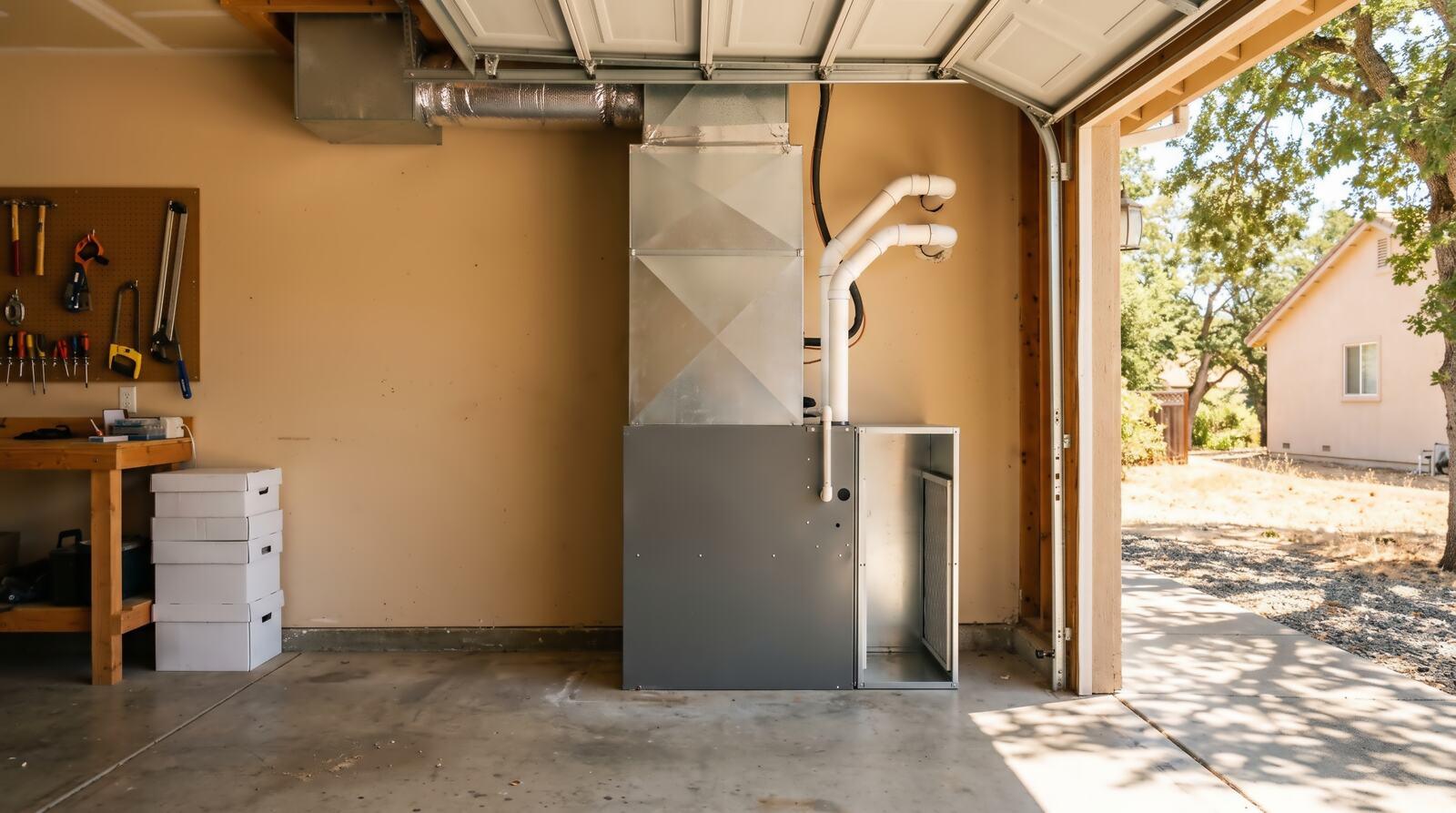
- 4. Blower door. The lower panel presses a safety switch, and the furnace won't run if the panel isn't fully seated. Push it closed until it sits flat. Never tape or bypass that switch.
- 5. Filter. A clogged filter can overheat the heat exchanger and trip the high-limit switch, which shuts the burners off. Replace a gray, matted filter and give the system a few minutes.
- 6. Vents and returns. Open the supply registers and clear the return grilles. Furniture over a return starves the furnace of air the same way a dirty filter does.
- 7. Status light. Many furnaces have a blinking light visible through a small window in the blower door. Count the blinks and match them to the chart printed inside the door. Don't remove panels while the system is powered to get a better look.
- 8. Other gas appliances. If the gas range and water heater are also out, the problem may be the gas supply, not the furnace. That's a call to PG&E.
What do the clicks, glow and blink codes mean?
The sound and sequence tell you how far the furnace got before it quit. A modern gas furnace runs a fixed start-up order: the thermostat calls, the draft inducer fan starts, a pressure switch proves the vent is clear, the igniter heats, the gas valve opens, the flame sensor proves the burners lit, and the blower comes on. Where it stops points to the failed part.
| Symptom | Likely cause | Safe to check? | Call when |
|---|---|---|---|
| Thermostat screen is blank | Dead batteries, a tripped breaker, or the furnace switch off | Yes: batteries, breaker, switch | The screen stays blank after new batteries and a breaker check |
| Nothing happens at all, no sound | No power, blower door switch open, or a control board fault | Yes: breaker, switch, door panel | Power and door check out and the furnace still won't start |
| Inducer fan runs, then nothing | Pressure switch not proving, often a blocked vent or condensate issue on high-efficiency units | No | Every time. Venting problems can be a CO risk. |
| Clicks or glows but never lights | Failed igniter or a gas supply problem | Only whether other gas appliances work | Every time. Don't open the burner area or touch the gas valve. |
| Lights, then shuts off within seconds | Dirty flame sensor that can't prove the flame | No | It repeats more than once or twice |
| Runs a few minutes, shuts off, repeats | High-limit trip from restricted airflow: filter, closed vents, or ducts | Yes: filter, vents, returns | It keeps cycling with a clean filter and open vents |
| Blower runs but air is cold | Fan set to On, an ignition failure, or a limit lockout | Yes: thermostat fan setting | Fan is on Auto and the air is still cold |
| Status light blinking a code | The control board's own fault report | Yes: read it through the window | Write the code down and pass it along when you call |
| Older furnace with a pilot that's out | Pilot or thermocouple problem | Look only | Relighting means working the gas valve, so leave it to a technician |
What are a flame sensor and a hot-surface igniter?
A flame sensor is a thin metal rod that sits in the burner flame and proves to the control board that the gas actually lit. If the board can't detect flame, it shuts the gas valve as a safety measure. A coated or oxidized sensor reads weakly, so the furnace lights, runs for a few seconds, and shuts down, over and over.
A hot-surface igniter is a small ceramic element that glows bright orange to light the gas. It's brittle. It cracks with age and repeated heating, and a cracked igniter may glow faintly or not at all. Older furnaces use a spark igniter or a standing pilot instead.
Both parts sit in the burner compartment next to the gas valve. Testing them takes a meter (flame current on the sensor, resistance on the igniter), and the fix means handling parts beside live gas controls. That's why this page stops at the door panel and the status light.
Why do Sacramento furnaces fail on the first cold morning?
Because they sit idle for most of the year. Sacramento winters are mild compared with the summer cooling load, so a furnace may go from spring to the first cold snap without running. Dust settles on the burners and the flame sensor in the meantime. Then the first cold morning asks the whole ignition sequence to work perfectly, and the weakest part, often a fouled sensor or a tired igniter, is the one that quits.
Airflow is the other common cause. Ducts that struggle in summer heat also restrict the furnace, and a restricted furnace trips its high-limit switch. Swapping parts won't fix a limit trip caused by a tired duct system, which is why ductwork and airflow problems show up in heating calls too.
The practical fix is timing. ENERGY STAR's maintenance checklist (opens in new tab) recommends a heating check-up every fall, and PG&E recommends a qualified professional inspect heating systems every year. A fall visit finds the dirty sensor before the cold snap does. For City of Sacramento homes, our furnace repair in Sacramento page covers the local permit office and the SMUD/PG&E utility split if repair turns into replacement.
Should you repair the furnace or replace it?
Most no-heat calls are repairs. A flame sensor, igniter, pressure switch or limit switch is a part-level fix, not a reason to replace the furnace. The conversation changes when a technician finds a cracked heat exchanger, a failed control board on an old unit, or a furnace that's near the end of its life and needs repairs every winter.
If it does come to replacement, you don't have to buy another gas furnace. In SMUD territory, a heat pump can replace both the furnace and the AC, and SMUD's rebate tiers favor that switch. Our guide to heat pumps vs. gas furnaces in Sacramento compares the options, and the repair-or-replace guide covers the age and cost math. If the AC is aging at the same time, run it through the repair-or-replace calculator as well.
When should you stop and call a technician?
Call once the safe checks are done and the furnace still won't heat, or sooner if any of the signs below show up. A furnace repair diagnostic follows the ignition sequence step by step, so the fix targets the part that failed instead of a guess.
Stop troubleshooting and call when:
- You smell gas or a CO alarm sounds. Leave first and call 9-1-1, then PG&E.
- The furnace clicks, glows or lights but won't stay lit.
- The breaker trips again after one reset.
- The inducer runs but the burners never light.
- It short-cycles even with a new filter and open vents.
- You see scorch marks, smell burning, or hear a loud bang at ignition.
- The status light shows a fault code after the basic checks.
Sources
- PG&E: Gas safety (what to do if you suspect a gas leak) (opens in new tab)
- PG&E: Carbon monoxide safety (opens in new tab)
- U.S. Consumer Product Safety Commission: Carbon Monoxide Information Center (opens in new tab)
- U.S. EPA: Carbon monoxide's impact on indoor air quality (opens in new tab)
- ENERGY STAR: HVAC maintenance checklist (opens in new tab)
Related services
Furnace Repair
Heat back on, explained in plain language.
Furnace Installation & Replacement
The right heat source, not the default one.
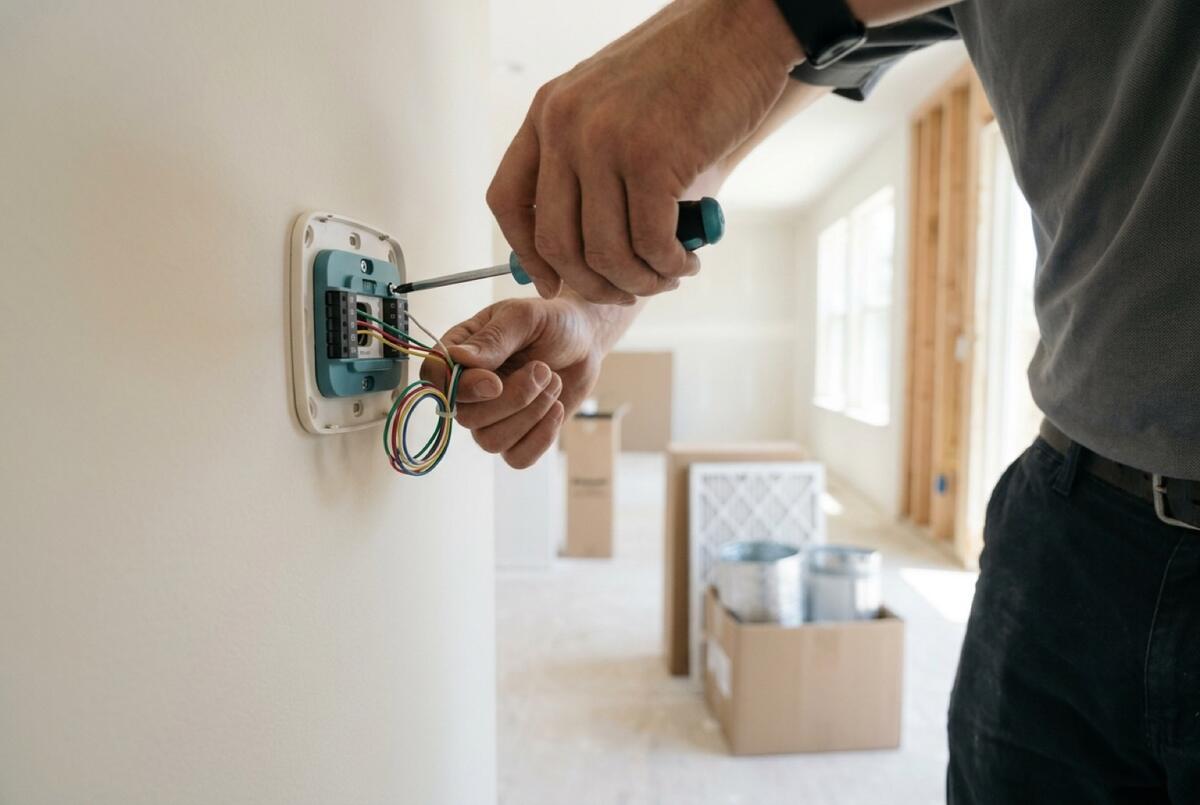
Thermostat Repair & Installation
Controls that do what you tell them.
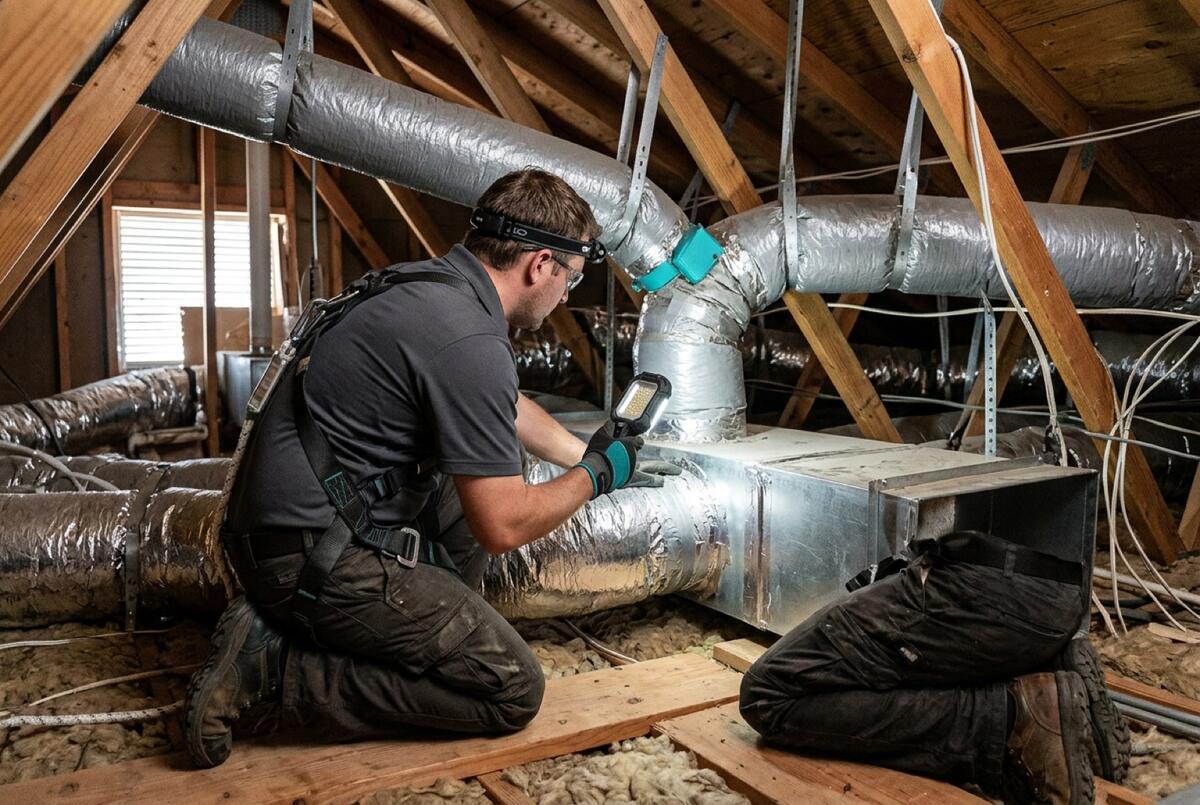
Ductwork & Airflow
Fix the delivery, not just the equipment.
Related guides
Heat Pump Not Heating or Blowing Cold Air? What's Normal and What Isn't
Heat pump blowing cool air, steaming, or stuck on aux heat? What normal defrost looks like, what to check first, and when to call a technician.
Troubleshooting · ReviewedHeat Pump vs. Gas Furnace in Sacramento: Cost, Comfort, and Rebates
Heat pump, gas furnace or dual fuel? Compare comfort, the utility that serves your city, SMUD rebates, and duct and panel needs, with dated official sources.
Replacement · ReviewedRepair or Replace Your HVAC System? A Sacramento Decision Guide
Deciding whether to repair or replace your AC or furnace? Weigh age, repair cost, refrigerant, efficiency, and comfort, plus the $5,000 test.
Cost and decisions · Reviewed
Frequently asked questions
Why does my furnace click but not light?
The clicking is usually the furnace trying to ignite: an igniter or spark module working, or relays switching on the control board. If it clicks but never lights, common causes are a cracked hot-surface igniter, a gas supply problem, or a control fault. Check whether your other gas appliances work. Past that, it needs a technician, because the next steps involve the gas valve.
Why does my furnace turn on and then shut off after a few seconds?
That pattern usually points to a dirty flame sensor. The burners light, the sensor can't confirm the flame, and the control board shuts the gas off as a safety step. It's a common first-cold-snap problem after a furnace sits unused all summer. A technician can clean or replace the sensor and check the flame signal with a meter.
Is it safe to clean the flame sensor myself?
We don't recommend it. The sensor sits in the burner compartment beside the gas valve and ignition wiring, and removing it means working on live gas controls. A sensor that keeps fouling can also signal a combustion problem worth measuring. A technician cleans it, checks the flame current, and looks at why it fouled in the first place.
Why is my furnace blowing cold air?
First check the thermostat fan setting. On means the blower runs even when the burners are off, so you feel room-temperature air between cycles. If the fan is on Auto and the air is still cold, the burners aren't lighting or staying lit. A limit trip from a dirty filter can cause it too. Change the filter, then call if it continues.
Can a dirty filter stop a furnace from working?
Yes. A clogged filter starves the furnace of airflow, the heat exchanger runs too hot, and the high-limit switch shuts the burners off to protect it. The furnace may cycle on and off or lock out entirely. ENERGY STAR recommends checking filters monthly. A new filter fixes this often enough that it should be the first thing you try.
Talk to someone who explains first
916air diagnoses the real problem and puts your options in writing. Send your details to get started.