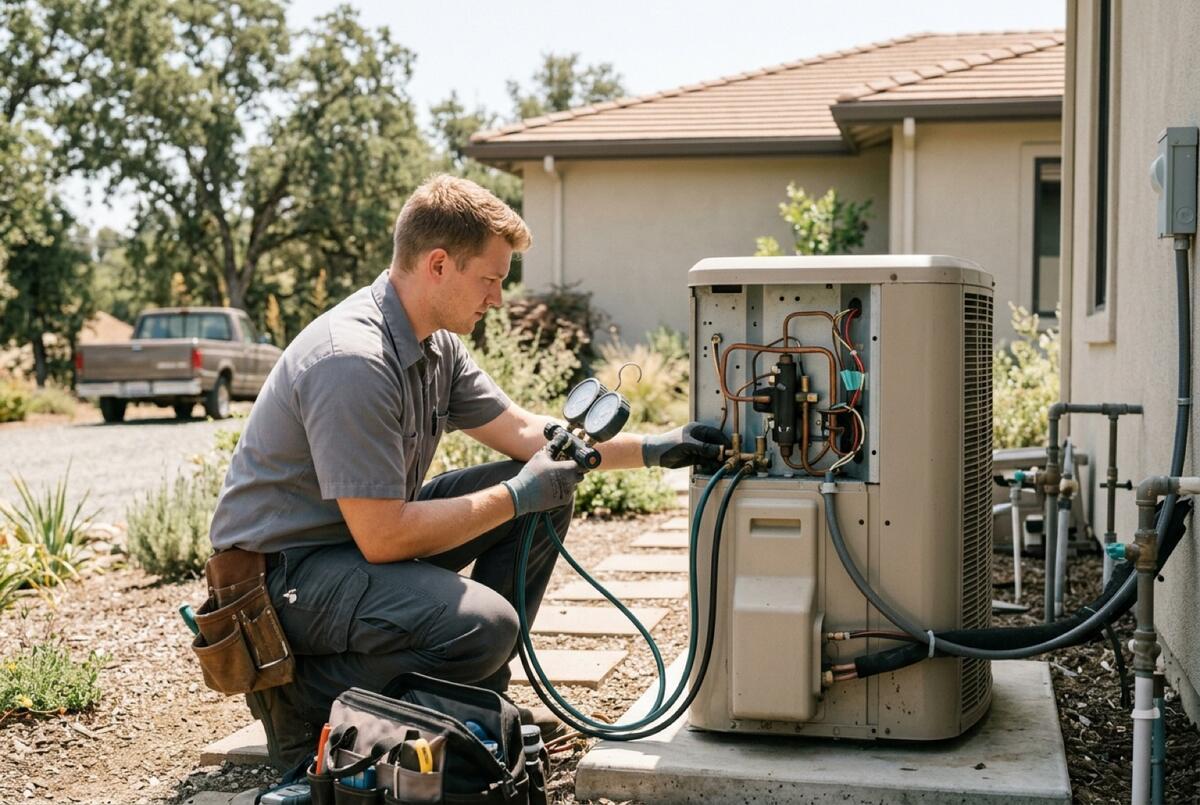
Heat Pump Not Heating? What's Normal, What to Check, When to Call
Heat pump blowing cool air, steaming, or stuck on aux heat? What normal defrost looks like, what to check first, and when to call a technician.
Last reviewed:
Is it normal for a heat pump to blow cool air or steam?
Yes, for a few minutes at a time. When the outdoor temperature drops near freezing, moisture freezes on the outdoor coil and the heat pump has to clear it. Natural Resources Canada (opens in new tab) describes the usual method: the reversing valve switches the system into cooling mode to send hot refrigerant to the outdoor coil, and the outdoor fan shuts off while the frost melts. During that time the system is briefly cooling the air in your ducts, unless backup heat warms it. The steam you see rising from the outdoor unit is frost melting off the coil.
The other normal difference is the air itself. NRCan notes that heat pumps deliver more air at a lower temperature, roughly 77 to 113°F, while a furnace delivers less air at roughly 131 to 140°F. Air at 90°F feels cool on your hand even though it's heating the house. SMUD (opens in new tab) makes the same point on its rebate page: a heat pump may feel cooler when it first turns on, but the system quickly adjusts.
The real test is the house, not the vent. If rooms hold the thermostat setting, the heat pump is working.
What should you check first when a heat pump isn't heating?
Start at the thermostat and work outward. None of these checks involve opening an electrical cover or touching refrigerant lines.
The safe checks, in order:
- 1. Thermostat mode. It should be on Heat (or Auto), with the setpoint above the room temperature and the fan on Auto. A system left in Cool from the fall will blow cold air all day.
- 2. Thermostat power. A blank or frozen screen usually means dead batteries or a tripped breaker on the indoor unit.
- 3. Breakers. A heat pump usually has more than one: the outdoor unit, the indoor air handler, and often a separate breaker for backup heat. Reset a tripped one once. If it trips again, stop and call.
- 4. Outdoor disconnect. Check that the disconnect switch near the outdoor unit is on. They get switched off during yard work or a summer repair. Look at the handle only; don't open the box.
- 5. Filter. A clogged filter cuts airflow across the indoor coil, which weakens heating and can trip safeties. ENERGY STAR (opens in new tab) recommends checking it monthly.
- 6. Outdoor unit. Clear leaves and plants back a couple of feet, and remove any cover left on from summer. Don't chip or pry at ice. That bends the fins and can puncture the coil.
- 7. Vents and returns. Open the supply registers and keep furniture off the return grilles.
Which heat pump symptoms are normal, and which aren't?
Most winter worries fall into a few patterns. This table sorts the normal ones from the ones that need a diagnostic.
| Symptom | Normal or problem? | Check | Call when |
|---|---|---|---|
| Steam from the outdoor unit; its fan stops for a few minutes | Normal. It's a defrost cycle. | Nothing. Let it finish. | It defrosts constantly, or the coil stays iced afterward |
| Vents feel cool for a few minutes on a cold morning | Normal during defrost | Note how long it lasts | Cool air continues and the house loses temperature |
| Warm, not hot, air and long run times | Normal for a heat pump | Watch whether rooms hold the setpoint | It can't reach the setpoint on a mild day |
| Thick ice that covers the outdoor coil and won't clear | Problem: defrost control, sensor, airflow, or low charge | Filter and debris. Don't chip the ice. | The ice is still there after the next defrost cycle |
| "Aux heat" shows often, or the electric bill jumps | Sometimes normal: defrost, cold mornings, recovery from a big setback | Use smaller setbacks (see below) | Aux runs most of the time, even on mild days |
| Cold air nonstop in Heat mode | Problem: reversing valve, thermostat setup, or refrigerant | Confirm the mode is Heat | Right away |
| Indoor fan runs; outdoor unit doesn't | Problem: power, capacitor, contactor, or controls | Breakers and the disconnect handle | Both are on and the outdoor unit still won't start |
| Whoosh at the start or end of defrost | Usually normal: the reversing valve shifting | Nothing | You hear grinding, screeching or repeated hard clunks |
What do aux heat and emergency heat mean?
Aux heat is the backup that runs automatically. NRCan explains that a heat pump's capacity falls as the outdoor temperature drops, so many systems include supplementary heat for the coldest hours and for defrost cycles. In an all-electric system that's usually resistance heating elements in the air handler, which work at any temperature but use more electricity than the heat pump. In a dual-fuel system, a gas furnace takes the backup role instead. Seeing "aux" on the display now and then is normal.
Emergency heat is a manual mode that shuts the heat pump off and runs only the backup heat. It's meant for when the outdoor unit has failed and you need heat until it's repaired. Leaving it on by mistake runs up the electric bill fast with electric strips. If you had to switch to emergency heat to stay warm, the heat pump needs a diagnostic.
How should you set the thermostat after switching from gas to a heat pump?
Smaller setbacks and steadier temperatures. A furnace can recover from a deep night setback in minutes. A heat pump recovers slowly, and the thermostat may call backup heat to catch up. NRCan recommends setbacks of no more than 2°C (about 3 to 4°F), or a smart thermostat that starts recovery early.
Three other habits change after a conversion, a path SMUD's rebate tiers encourage in its territory. Leave the fan on Auto, because On blows lukewarm air between cycles and reads as "not heating." Expect longer cycles; a heat pump that runs steadily is doing its job. And make sure the thermostat is configured for a heat pump. A thermostat left on a furnace or AC setup can run the wrong mode or lean on backup heat. If it's an older model, our thermostat service can check the wiring and setup.
Which heat pump problems need a technician?
Anything inside the refrigerant circuit or behind an electrical cover. Refrigerant work falls under EPA's Section 608 program (opens in new tab), which bars venting refrigerants, including HFCs, during service. A low charge also means a leak, not a part that needs topping off. Reversing valves, defrost controls and sensors, capacitors, contactors, fan motors and backup heat strips all need a meter and a trained hand.
A heat pump repair diagnostic reads the whole circuit, so the fix targets the part that failed. For City of Sacramento homes, see heat pump repair in Sacramento. The other SMUD-territory city pages cover local permits and the rebate path if repair turns into replacement: Elk Grove, Folsom, Rancho Cordova, Citrus Heights, Carmichael and Fair Oaks.
If replacement does come up, our guide to heat pumps vs. gas furnaces in Sacramento covers the options and the current rebates.
Sources
- Natural Resources Canada: Heating and cooling with a heat pump (defrost, supplementary heat, setbacks) (opens in new tab)
- SMUD: Heating and cooling rebates (heat pump facts and myths) (opens in new tab)
- ENERGY STAR: Air-source heat pumps (opens in new tab)
- ENERGY STAR: HVAC maintenance checklist (opens in new tab)
- U.S. EPA: Section 608 stationary refrigeration and air conditioning (opens in new tab)
Related services
Heat Pump Repair
Repairs that respect the system's math.
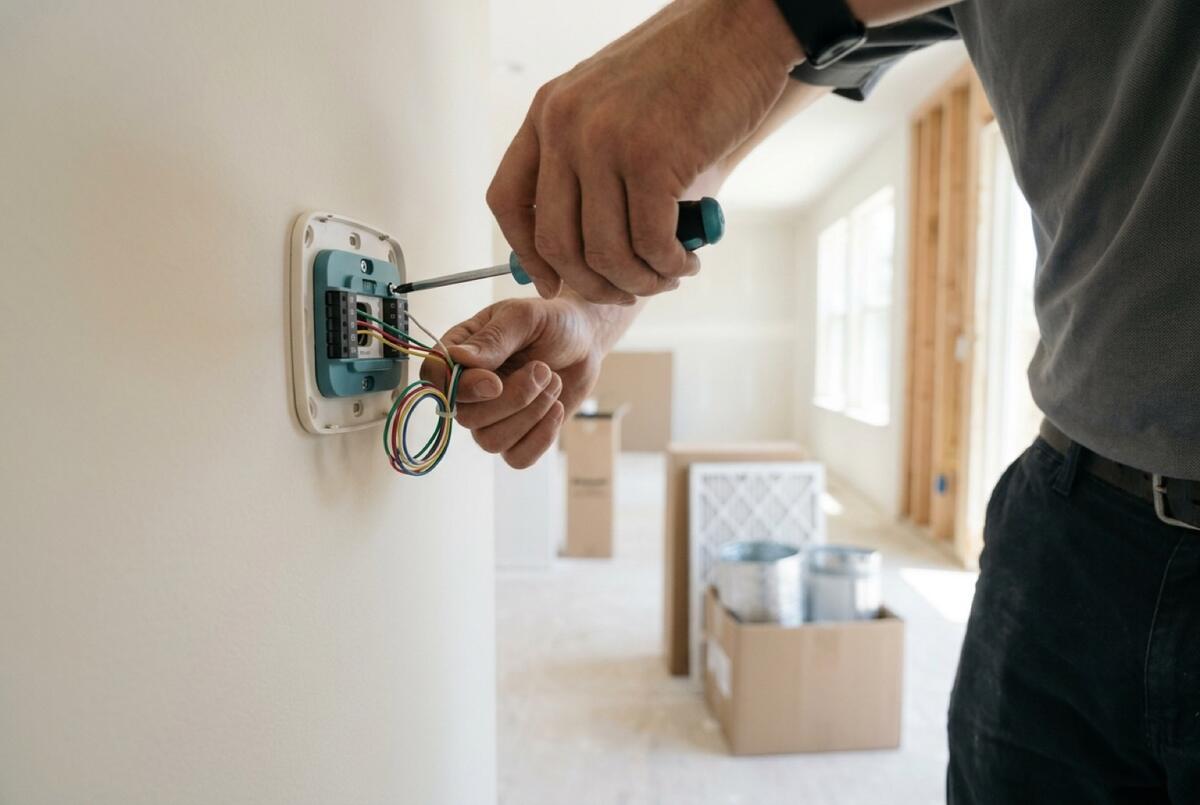
Thermostat Repair & Installation
Controls that do what you tell them.
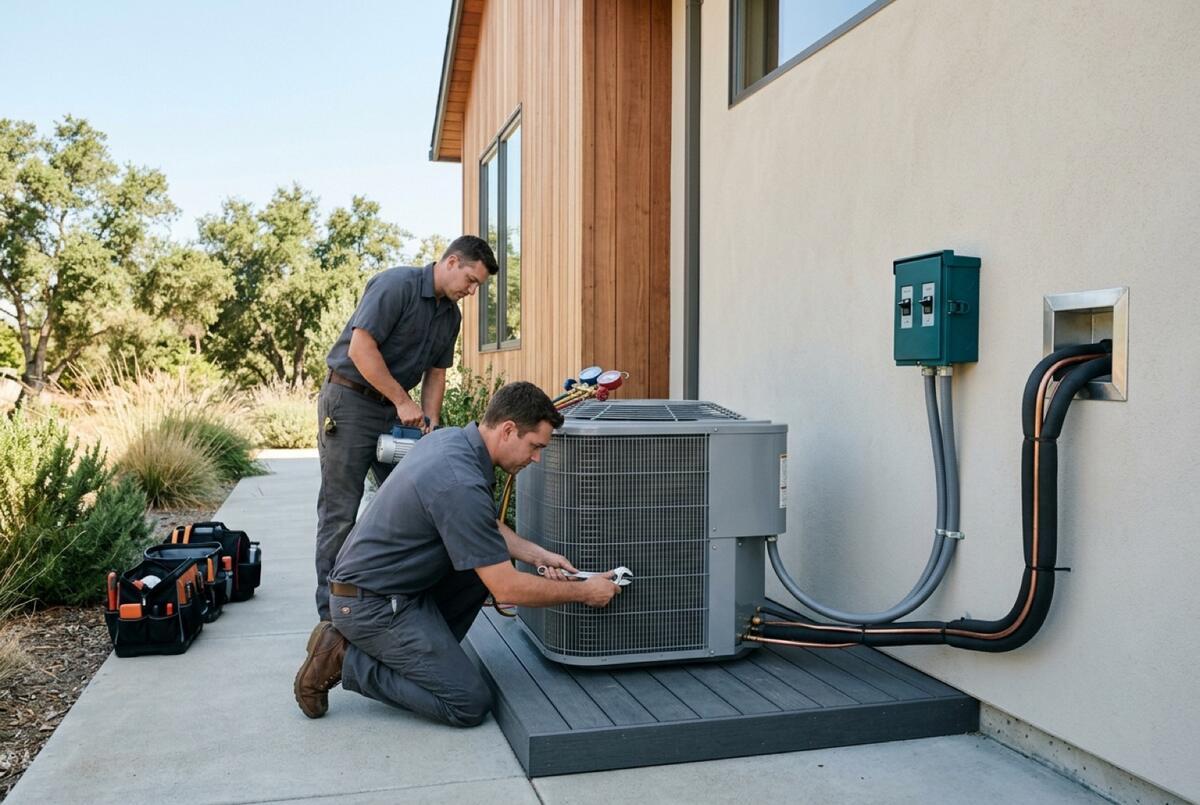
Heat Pump Installation
Heating and cooling on one efficient system.
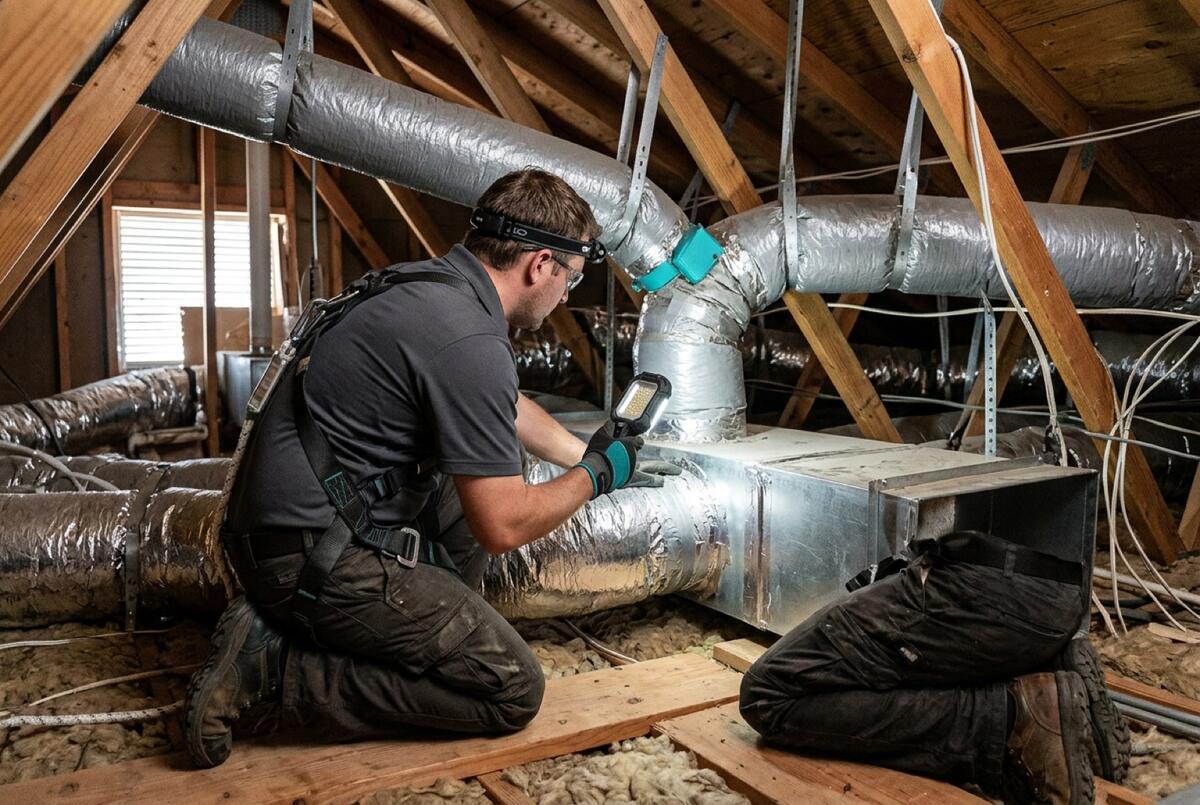
Ductwork & Airflow
Fix the delivery, not just the equipment.
Related guides
Heat Pump vs. Gas Furnace in Sacramento: Cost, Comfort, and Rebates
Heat pump, gas furnace or dual fuel? Compare comfort, the utility that serves your city, SMUD rebates, and duct and panel needs, with dated official sources.
Replacement · ReviewedFurnace Won't Turn On? What to Check Before You Call (Sacramento)
Furnace won't turn on or won't light? The safe checks to try first, what clicks, glows and blink codes mean, and when to stop and call a technician.
Troubleshooting · ReviewedSMUD Heat Pump Rebates: What Sacramento Homeowners Should Know
SMUD offers heat pump rebates for qualifying Sacramento-area homes, but amounts and eligibility change. Here's how the program works and what to verify first.
Local rules · Reviewed
Frequently asked questions
Why is there steam coming from my heat pump?
On a cold, damp morning, frost builds on the outdoor coil, and the heat pump runs a defrost cycle to melt it. The steam is that frost turning to water and vapor. The outdoor fan usually stops during defrost, and the indoor air may feel cool for a few minutes. It's normal. Thick ice that stays after defrost is not.
Should I switch to emergency heat when it's cold?
No. Emergency heat turns the heat pump off and runs only the backup heat, which with electric strips costs much more to run. The system brings in auxiliary heat on its own when it needs help on a cold morning or during defrost. Use emergency heat only if the outdoor unit has stopped working, and call for a repair.
Why does my heat pump run constantly in winter?
Long cycles are normal for a heat pump. It delivers a steady stream of moderately warm air instead of short blasts of hot air, so it runs longer than a furnace. Variable-speed models may run almost continuously at low speed. It's a problem if it runs nonstop and the house still can't reach the setpoint on a mild day.
Is it normal for ice to form on my heat pump?
A light coat of frost on the outdoor coil is normal in cold, damp weather, and the defrost cycle clears it. A thick layer of ice that covers the coil and stays through the next defrost cycle is not. It can point to a failed defrost control, a bad sensor, poor airflow, or low refrigerant. Don't chip at it. Call for a diagnostic.
Can I turn the heat down at night with a heat pump?
Yes, but keep the setback small. A heat pump recovers slowly, and a deep setback can make the thermostat call expensive backup heat in the morning. Natural Resources Canada suggests setbacks of no more than about 3 to 4°F, or a smart thermostat that starts warming the house early. Your installer can confirm the best setting for your system.
Talk to someone who explains first
916air diagnoses the real problem and puts your options in writing. Send your details to get started.