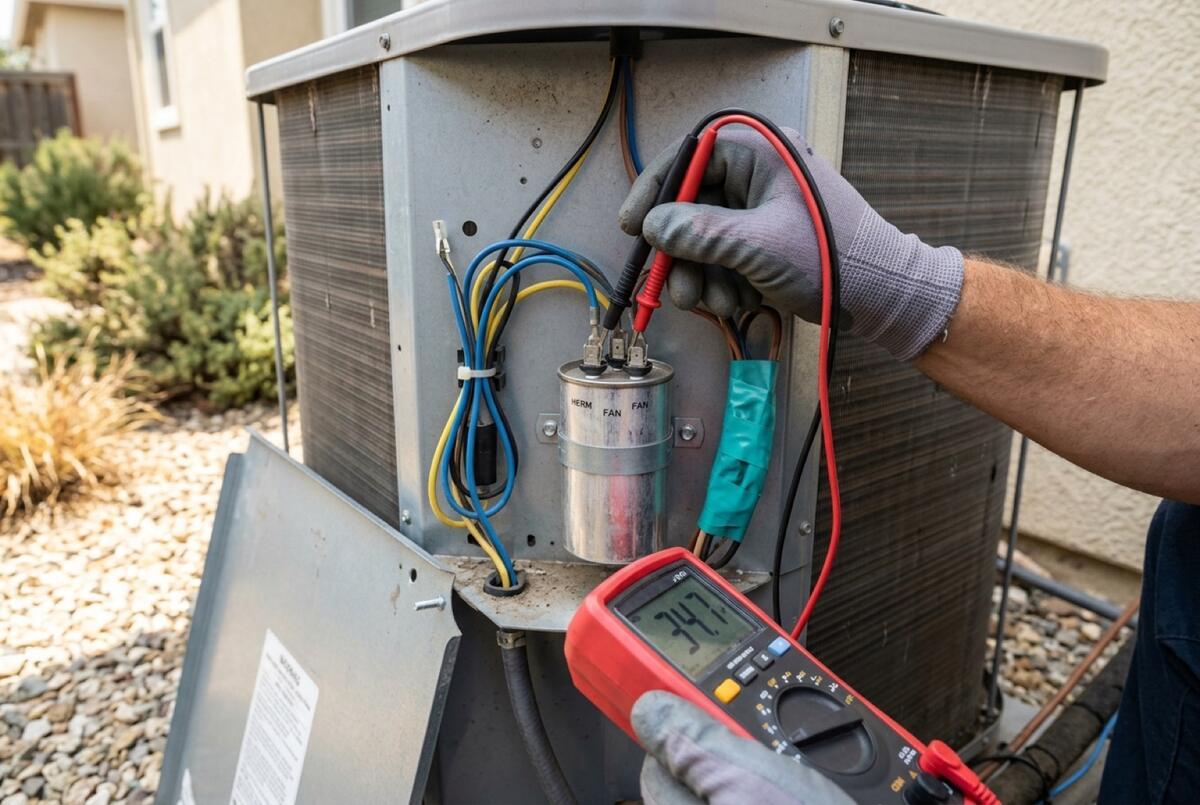
AC Leaking Water Inside? What to Do First and What Causes It
Water around the indoor unit or a stain under an attic air handler? Turn the AC off, then check the condensate drain, float switch and pan. Here's when to call.
Last reviewed:
Is water coming through the ceiling? Turn the AC off first.
Turn cooling off at the thermostat before you do anything else. The indoor coil makes water the whole time the AC runs, so every minute it keeps cooling adds to what's already in the ceiling. Then limit the damage.
Turn it off, then:
- Catch the water. Put a bucket under the drip and move furniture, rugs and electronics out of the way.
- Stay clear of wet fixtures. Leave wet light fixtures and ceiling fans off, and keep clear of them.
- Watch for sagging drywall. A ceiling that bulges is holding water. Keep people and pets out from under it.
- Dry it quickly. The EPA (opens in new tab) says that if wet materials are dried within 24 to 48 hours of a leak, mold usually won't grow.
- Leave it off. Don't restart cooling until the drain problem is found and fixed.
Why does an air conditioner make water at all?
Because cooling pulls moisture out of the air. As warm, humid air crosses the cold indoor coil, water condenses on it the same way it beads on a cold glass. Natural Resources Canada (opens in new tab) describes the setup: the water collects in a pan under the coil, and a condensate drain carries it to the house drain or outside. Heat pumps in cooling mode work the same way.
On a humid day that's a steady stream of water, and it has to go somewhere. When the drain clogs, the pan cracks or a pump fails, the water ends up in the cabinet, on the floor or in the ceiling. ENERGY STAR's maintenance checklist (opens in new tab) includes the condensate drain for that reason: a plugged drain can cause water damage in the house and affect indoor humidity.
One exception: high-efficiency gas furnaces also make condensate when they heat, so a winter leak near the furnace can be the furnace's own drain.
What causes an AC to leak water inside?
Usually the drain, the pan or a pump. A frozen coil melting is the other common source. The table lists each cause with the safe check for it.
| Cause | How to tell | Safe check | Call when |
|---|---|---|---|
| Clogged condensate drain line | Water at the indoor unit while the outdoor end of the drain stays dry | Vacuum the drain from its outdoor end (see below) | The clog returns, or you can't find the drain's end |
| Full secondary pan under an attic air handler | Water in the backup pan; a stain on the ceiling below | Look from the attic access only if you can do it safely | Any water in a backup pan means the main drain failed |
| Tripped float switch | AC stopped cooling, with water standing in the pan or line | Look for standing water. Never bypass the switch. | It trips again after the drain is cleared |
| Cracked or rusted drain pan | Leaking even though the drain flows | Look with a flashlight | Pan repair or replacement is technician work |
| Failed condensate pump | Water around a small pump box; the pump doesn't run | Check that it's plugged in | It's plugged in and still not pumping |
| Loose or broken drain fitting | Drips at a joint in the drain pipe near the unit | Look at the visible piping | The fitting needs to be refit or replaced |
| Frozen coil melting | Ice on the copper lines, or water that appears after the AC shuts off | Follow the frozen-coil steps | Ice returns after a full thaw |
What does a float switch do, and why did my AC shut off?
A float switch is a small safety switch in the drain pan or drain line. When water backs up to it, it cuts power to the cooling call so the pan doesn't overflow. That's why a clogged drain can look like a dead AC: the thermostat calls for cooling, nothing happens, and there's water standing in the pan.
Treat a tripped float switch as a warning, not a fault. Never tape it, jumper it or remove it to get the AC running. Clear the drain, let the water level drop, and the switch resets. If it trips again within days, the drain has a deeper clog, a slope problem or a failing pump. If there's no water and the AC still won't cool, the AC-not-cooling checklist covers the other causes.
Why is an attic air handler the bigger risk?
Because the water has nowhere to go but down. A leak from a closet or garage unit puddles on the floor where you see it early. A leak from an attic air handler soaks insulation and drywall first, and you notice it as a stain or a sagging ceiling, sometimes after days of dripping.
That's why attic installs usually have a second line of defense: a secondary pan under the unit, a float switch, or both. Those safeguards only work if they're maintained. Pans rust through on older systems, secondary drains clog too, and a float switch can be missing or disconnected. Drain lines can also lose their slope over the years, so water sits in them instead of draining. A tune-up should look at all of it.

Can you clear a clogged AC drain line yourself?
Often, yes, from the outside. Turn the system off first. Find where the condensate line ends: usually a small PVC pipe near the foundation, near the outdoor unit, or tied into a plumbing drain. Hold a wet/dry vacuum hose tightly over the end and run it for a minute or two to pull the clog out. When cooling runs again, that end should drip steadily.
Skip chemical drain openers and don't push wire into the line near the unit, which can crack fittings or the pan. If you can't find the drain end, the clog comes right back, or the line runs into a wall or slab, have a technician clear it.
Prevention is simpler. The EPA (opens in new tab) advises keeping AC drip pans clean and drain lines unobstructed and flowing. Clearing the drain is part of an AC tune-up, which is the easiest way to catch a slow clog in spring.
When should you call about an AC leak?
Call when water reaches a ceiling, the leak returns after you clear the drain, or the cause isn't something on the safe-check list. An AC repair visit finds whether it's the drain, the pan, the pump or a coil problem upstream. For City of Sacramento homes, see AC repair in Sacramento.
Stop and call when:
- Water is coming through a ceiling below an attic unit
- There's water in the secondary pan
- The float switch keeps tripping
- The leak returns after the drain is cleared
- You see ice on the lines along with the water
- Water is near electrical connections at the unit
Related services
AC Repair
Find the real failure. Fix what's actually broken.
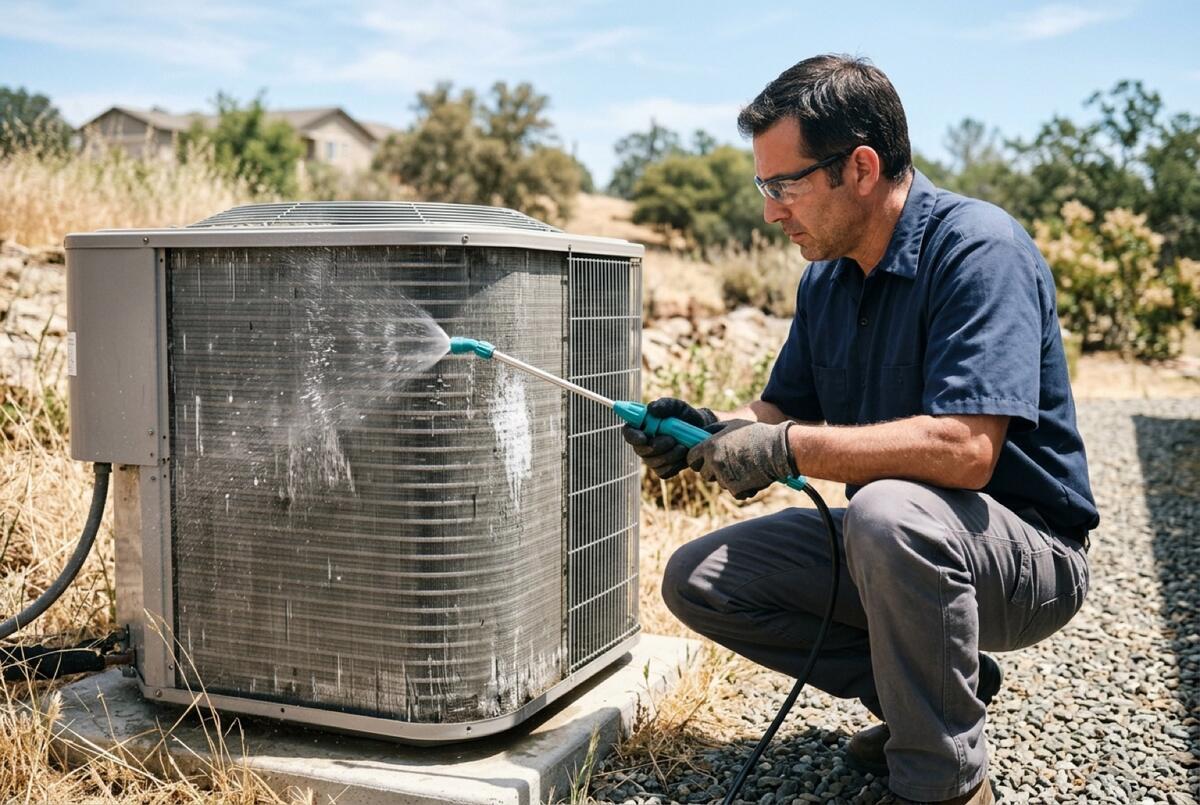
AC Maintenance & Tune-Ups
Ready before the first heat wave.
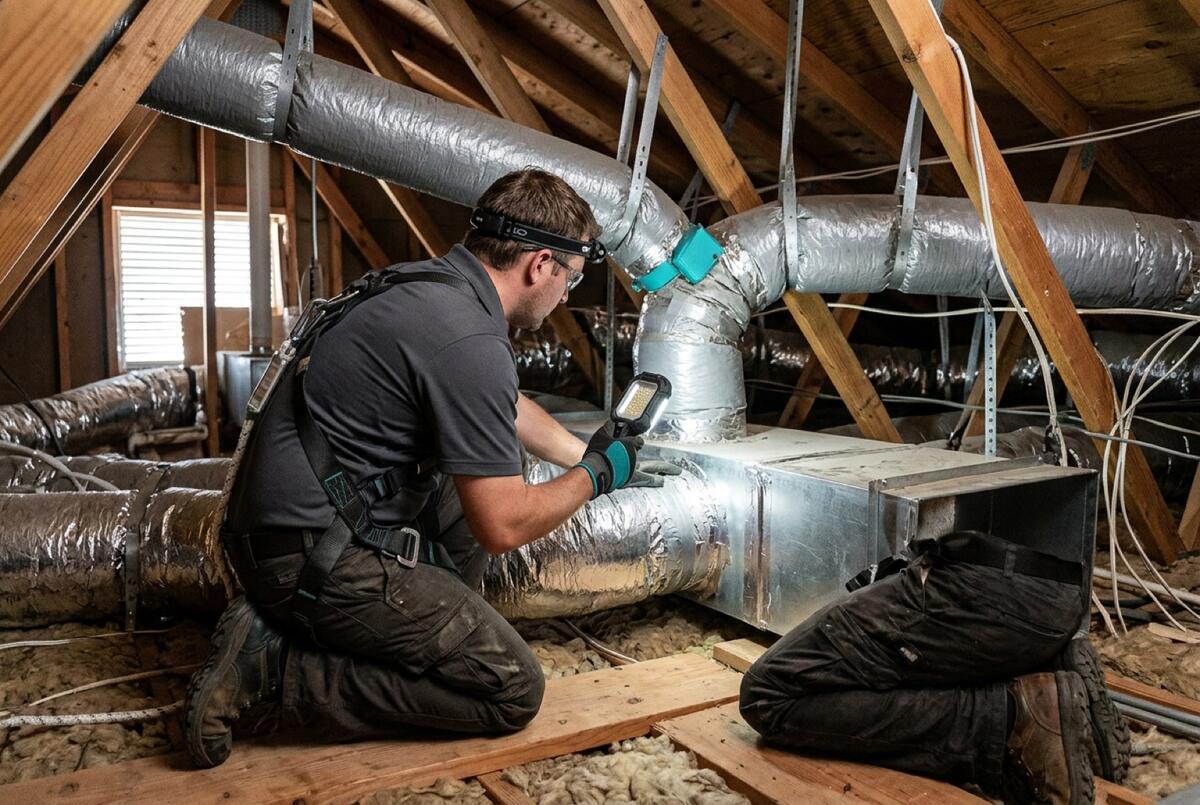
Ductwork & Airflow
Fix the delivery, not just the equipment.
Related guides
AC Coil Freezing Up? Why It Ices Over and What to Do
Ice on your AC lines or indoor coil? Why it freezes in summer, how to thaw it safely, the causes you can check, and when a frozen AC needs a technician.
Troubleshooting · ReviewedAC Not Cooling During a Sacramento Heat Wave? Start Here
AC running but not cooling during a Sacramento heat wave? Check the thermostat, filter, breaker, outdoor unit, and coil first — and know when it's time to call.
Troubleshooting · ReviewedFurnace Won't Turn On? What to Check Before You Call (Sacramento)
Furnace won't turn on or won't light? The safe checks to try first, what clicks, glows and blink codes mean, and when to stop and call a technician.
Troubleshooting · Reviewed
Frequently asked questions
Is it safe to keep running my AC while it's leaking water?
No. The coil keeps producing water as long as the AC cools, so running it adds to the leak. Water near the unit's wiring or a ceiling light is also a safety problem. Turn cooling off at the thermostat, catch the water, and leave it off until the drain, pan or pump problem is fixed.
How do I find my AC's condensate drain line?
Start at the indoor unit and look for a small PVC pipe, usually white and about the width of a finger, leaving the cabinet near the coil. Follow it to where it ends: often outside near the foundation or the outdoor unit, sometimes into a plumbing drain. Attic units may have a second line that ends somewhere you'll notice, like above a window.
Why is my AC leaking water but still cooling?
Because the leak is usually a drain problem, not a cooling problem. The coil is still removing heat and moisture, but the water isn't leaving the way it should. A partial clog, a cracked pan or a loose fitting can let water escape while cooling stays normal. If the system has no float switch, it won't shut off to warn you.
Can an AC leak cause mold?
It can if the water sits. The EPA says moisture control is the key to mold control, and that wet materials dried within 24 to 48 hours of a leak usually won't grow mold. Fix the drain quickly, dry wet drywall and insulation, and replace materials that stay damp. EPA guidance also advises keeping AC drip pans clean.
Why is water leaking near my furnace in winter?
High-efficiency gas furnaces produce condensate when they heat, and they have their own drain, sometimes with a small pump. A clogged furnace drain or a failed pump can leak in winter even though the AC is off. A whole-house humidifier can also leak. If the furnace is leaking and shutting off, call for a furnace check.
Talk to someone who explains first
916air diagnoses the real problem and puts your options in writing. Send your details to get started.