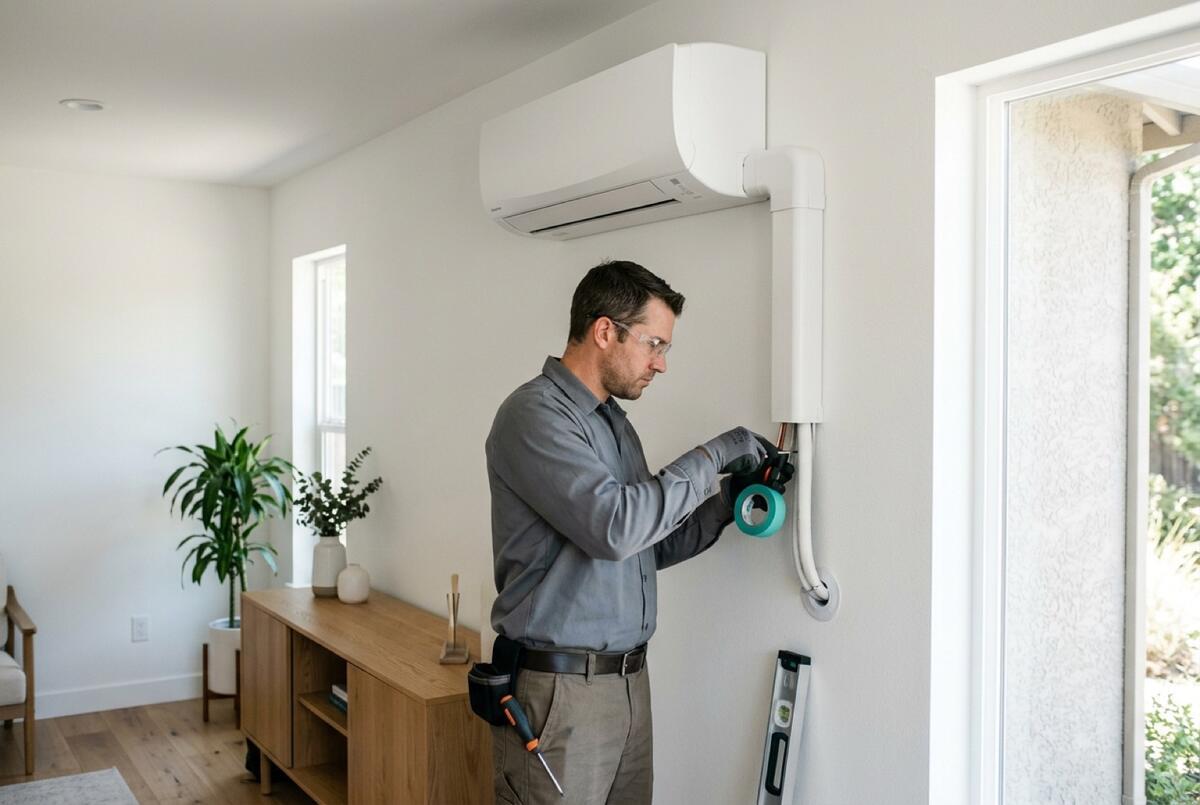
How Much Does a Ductless Mini-Split Cost in Sacramento?
What does a ductless mini-split cost in Sacramento? See planning ranges by number of zones, the factors that move the number, and where mini-splits fit best.
Last reviewed:
Planning ranges
| Scope | Planning range | What's in it |
|---|---|---|
| Ductless mini-split, 1 zone | $4,500–$8,000per zone | One indoor head off one outdoor unit — common for a single room, ADU, garage, or addition. A planning estimate only; head placement, line-set run, and equipment move it, and the exact figure comes from an on-site inspection. |
| Ductless mini-split, 2-3 zones | $9,000–$15,000per project | Two or three indoor heads on a multi-zone system for conditioning several rooms independently. A planning estimate only; the number and placement of heads and the electrical work drive the range, confirmed by an on-site inspection. |
| Ductless mini-split, 4+ zones | $14,000–$20,000per project | Four or more indoor heads for whole-home or large-area coverage without ductwork. A planning estimate only; zone count, head placement, and electrical capacity move it, and the exact figure comes from an on-site inspection. |
What moves the cost
- Number of zones — each indoor head is its own line item, so cost scales with how many rooms you want to condition independently; this is the biggest driver.
- Head placement and line-set runs — longer or more complex refrigerant line runs and harder-to-reach mounting locations add labor.
- Equipment efficiency — higher-efficiency units cost more upfront and widen the top of the range.
- Electrical — a mini-split needs a dedicated circuit, and multi-zone systems may require panel capacity the inspection confirms.
- Access and finish — clean routing of line sets and condensate through finished walls takes more care than an exposed garage or attic run.
- Permits — a mini-split install requires a permit region-wide, with the jurisdiction depending on your address (city vs county).
- Existing conditions — older homes without ductwork are prime mini-split candidates, but wall construction and layout affect placement and cost.
- Indoor head style — wall-mounted heads are the standard and most economical; ceiling-cassette or concealed-duct heads cost more and change the labor.
- Rebates — a qualifying heat-pump mini-split project may reduce net cost, but eligibility depends on the current program, equipment, utility territory, and contractor requirements, so it's never guaranteed.
Sacramento-specific factors
- Older homes without ducts — pre-war and mid-century homes and bungalows (common in areas like Broderick/Bryte in West Sacramento and older Sacramento neighborhoods) often never had ductwork, which makes ductless a natural fit.
- ADUs and additions — Sacramento-area ADUs, converted garages, and additions are frequent single-zone mini-split projects, and demand is strong in efficiency-minded areas like Davis.
- Attic conditions — where existing ducts run through brutally hot attics, a ductless zone can sidestep the duct-loss problem entirely for a problem room.
- Jurisdiction — permit authority differs; incorporated cities issue their own, while unincorporated Carmichael and Fair Oaks permit through Sacramento County.
- SMUD / PG&E territory — mini-splits are heat pumps, so a qualifying SMUD-territory project may open rebate questions; PG&E-territory areas use a different, currently-waitlisted channel, so verify before relying on it.
What's included in the ranges (and what isn't)
The planning ranges cover the core install: qualifying mini-split equipment, standard labor, mounting, line-set routing, standard electrical, and the permit. They exclude the variable extras an inspection surfaces — a panel upgrade for a large multi-zone system, difficult routing through finished walls, or extensive patch-and-finish work. Because zone count and placement drive so much of the cost, we confirm the layout on-site and give the exact number in writing rather than quoting blind. This matters more with ductless than with a ducted swap, because the same square footage can be served by very different head counts depending on how you actually use the space — one head for a single problem room, or several for independent control across a whole floor. The HVAC cost calculator lets you model different zone counts before we visit, so you arrive at the estimate already knowing roughly which band your project sits in.
Where the money actually goes: heads, outdoor unit, line sets, electrical, permit
A mini-split's cost breaks down differently from a ducted system because there's no ductwork to build. Indoor heads are the piece that scales — each one is its own unit with its own mount, controls, and line-set connection, which is why the range climbs with zone count. The outdoor unit (condenser) is sized to serve the heads and is a large single share, moved mostly by efficiency choice. Line sets and condensate routing — the refrigerant lines and drains running from each head back to the outdoor unit — are a labor-heavy piece, and clean routing through finished walls costs more than an exposed garage run. Electrical matters because a mini-split needs a dedicated circuit, and a larger multi-zone system can push an older panel to its limit. The permit is a smaller fixed cost that's non-optional. Head count and routing complexity are the two pieces that most decide where a specific project lands within its band.
- City building department
- Sacramento, Elk Grove, Roseville, Folsom, Rancho Cordova, Citrus Heights, West Sacramento and Davis
- Sacramento County
- Carmichael and Fair Oaks
Where a mini-split makes the most sense
Ductless shines in three situations: a room your ducted system can't reach (a hot upstairs bedroom, a converted garage, an addition), a home that never had ductwork where adding ducts would be invasive and expensive, and an ADU or standalone space that needs its own independent comfort. Each indoor head is controlled separately, so you condition only the space you're using and don't pay to cool empty rooms — a genuine running-cost advantage in a big Sacramento summer. It's not always the right call for a whole home that already has good ducts — there, a ducted replacement or a ducted heat pump may be more cost-effective, since a single ducted system can cover the whole footprint for less than a head in every room. But for the rooms the ducts forgot, ductless is often the cleanest fix, and it avoids tearing into finished ceilings and walls to route new ducts. If the real problem is duct loss into a hot attic rather than a missing room, our ductwork and airflow work is the alternative comparison worth weighing first.
Efficiency and what it buys you: mini-splits are heat pumps
Every ductless mini-split is an air-source heat pump, so it heats and cools, and it carries the same efficiency ratings — SEER2 for cooling and HSPF2 for heating. The U.S. Department of Energy notes that ductless systems avoid the duct losses of a central system (typically a meaningful share of energy in homes with leaky ducts), which is part of why they're efficient in the exact older Sacramento housing that has bad or no ducts; the DOE overview of ductless heat pumps is at energy.gov (opens in new tab). Equipment with the ENERGY STAR label (energystar.gov (opens in new tab)) is certified above the federal minimums and is usually the tier that qualifies for rebates. Higher-efficiency units cost more upfront and widen the top of the planning range, so — as with any heat pump — efficiency, upfront cost, and rebate eligibility are worth weighing together.
Popular add-ons and where they fit
Extras that come up on a ductless project:
- Ceiling-cassette or concealed-duct heads — an alternative to wall-mounted heads for a cleaner look; they cost more and change the labor.
- Line-set covers and patch-and-finish — tidy exterior line-set covers and interior wall finishing for a clean result in living space.
- Electrical panel or dedicated-circuit work — a dedicated circuit is standard; a large multi-zone system may need panel capacity the inspection confirms.
- Compatible smart controls — Wi-Fi or matched controllers per head; per ENERGY STAR (opens in new tab) good setup can reduce runtime.
- Improved filtration — a mini-split's onboard filters help, and a whole-home indoor air quality plan is worth considering in wildfire-smoke season.
How to compare mini-split quotes fairly
Zone count makes apples-to-apples comparison essential:
- Same zone count and head placement — a quote for fewer heads isn't cheaper, it's a different system; compare the same layout.
- Equipment efficiency and class — match the tier (SEER2 and HSPF2) across quotes.
- Electrical scope — does the quote include the dedicated circuit and confirm panel capacity for multi-zone systems?
- Line-set routing and finish — how line sets and condensate are routed through finished spaces, and whether patch-and-finish is included.
- Permit and rebate handling — permit included with the right jurisdiction, and any rebate framed as "may qualify, verify" rather than promised.
What actually moves your number within the range
Because a mini-split has no ductwork, the conditions that decide its price differ from a ducted job — but they're just as predictable. The dominant driver is zone count, and it's why the guide shows three separate bands rather than one: each indoor head is a full unit with its own mount, controls, and refrigerant line, so a single-zone project and a four-zone project aren't the same system at different prices, they're different systems. Within a given zone count, the next swing is routing complexity — line sets and condensate that run cleanly through a garage or attic cost less than runs threaded through finished walls with line-set covers and patch-and-finish. The third is head style: standard wall-mounted heads are the economical default, while ceiling cassettes or concealed-duct heads cost more for a cleaner look. The fourth is electrical — every mini-split needs a dedicated circuit, and a large multi-zone system can push an older Sacramento panel to its capacity, which the inspection confirms. Match the zone count first, then the routing and head style, and quotes become genuinely comparable instead of a guessing game.
Running costs, rebates, and why ductless pays off in older homes
A mini-split's appeal in Sacramento isn't only the install — it's the running cost, and this is where the older-home story matters. The U.S. Department of Energy points out that central systems lose a meaningful share of their energy to duct leakage, and ductless systems skip that loss entirely by delivering conditioned air straight into the room; in the exact pre-war and mid-century homes around Sacramento that have leaky or nonexistent ducts, that efficiency edge is real rather than theoretical. On the incentive side, because every mini-split is a heat pump, a qualifying high-efficiency project may open SMUD rebate options and can be eligible for federal energy-efficiency tax credits — both depend on current program rules and equipment thresholds, which ENERGY STAR (opens in new tab) publishes and our SMUD heat pump rebates resource covers locally, and we never assume an amount into an estimate. Weigh all three together: the upfront range, the incentives you can actually verify, and the year-round running cost of a system that heats and cools without feeding a hot attic. For a whole home that already has good ducts, a ducted replacement may still win — but for the rooms the ducts forgot, ductless is often both the cleaner install and the cheaper system to run.
- SMUD
- Sacramento, Elk Grove, Folsom, Rancho Cordova, Citrus Heights, Carmichael and Fair Oaks
- Roseville Electric Utility
- Roseville
- PG&E
- West Sacramento
- Valley Clean Energy (generation) + PG&E (delivery)
- Davis
Related services
Mini-Splits
Comfort for the rooms the ducts forgot.
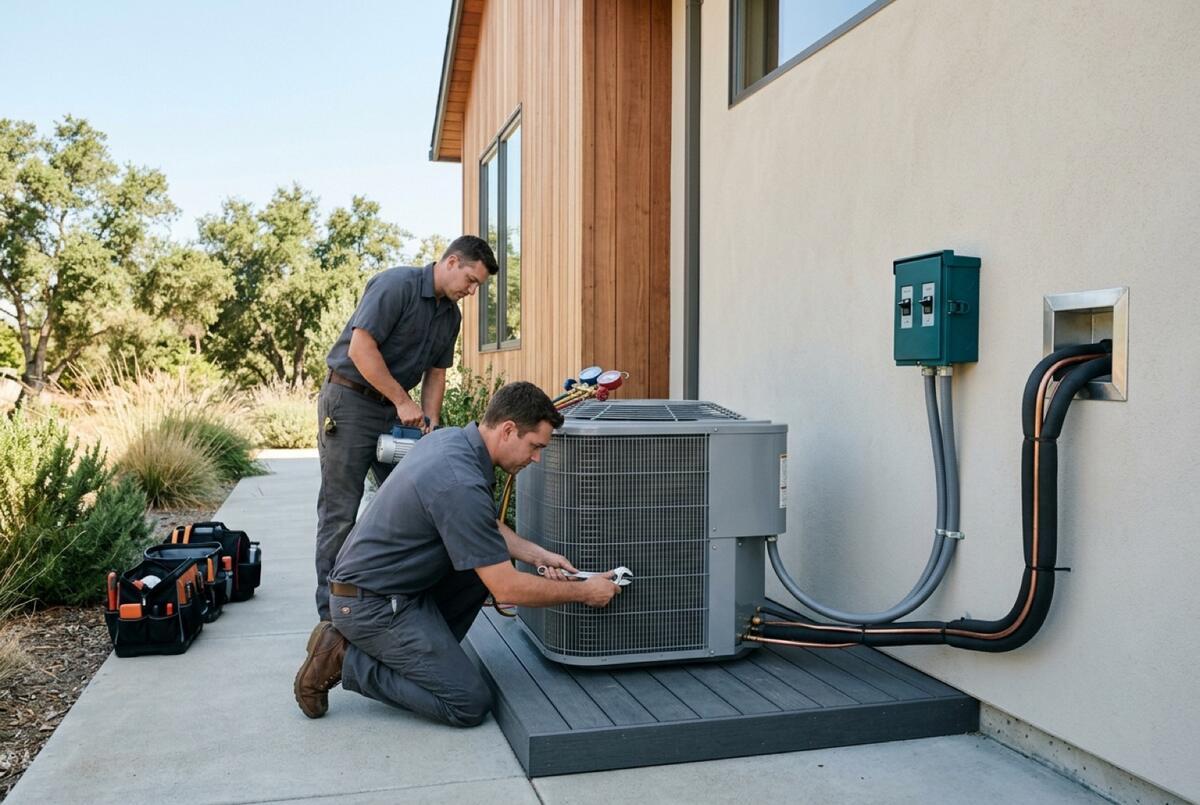
Heat Pump Install
Heating and cooling on one efficient system.
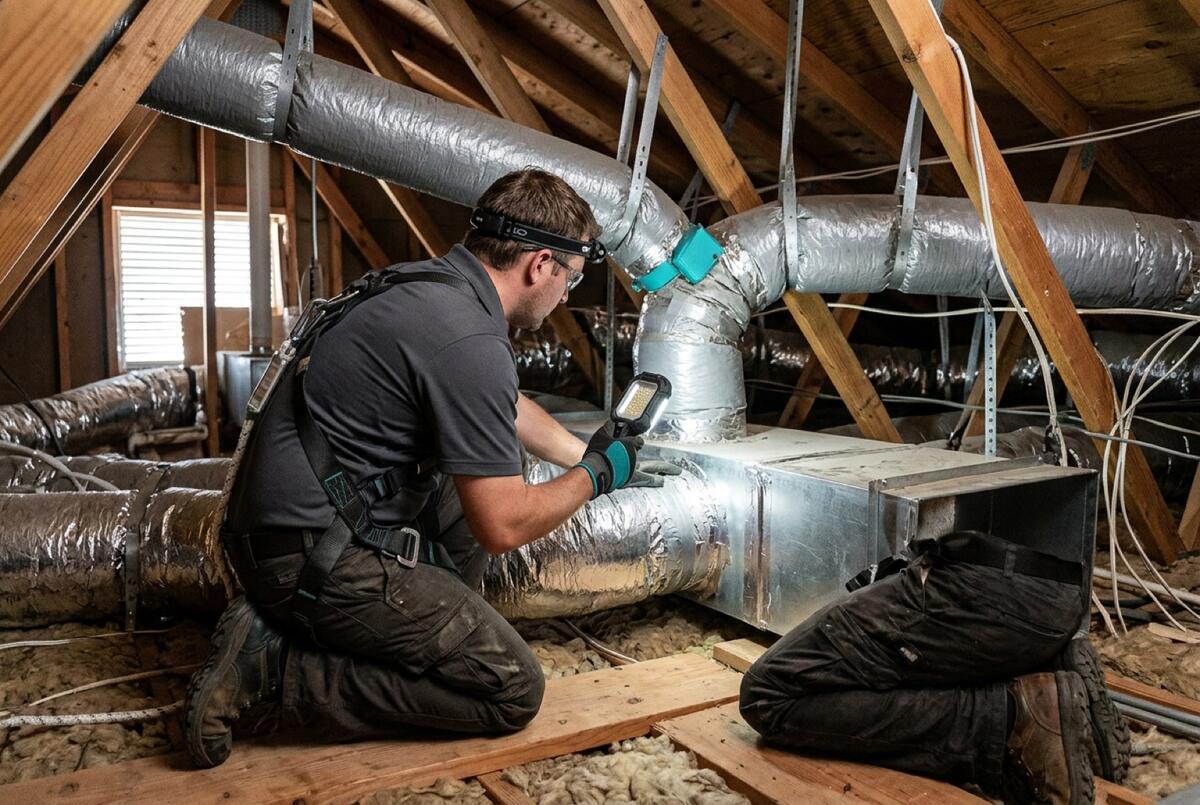
Ductwork & Airflow
Fix the delivery, not just the equipment.
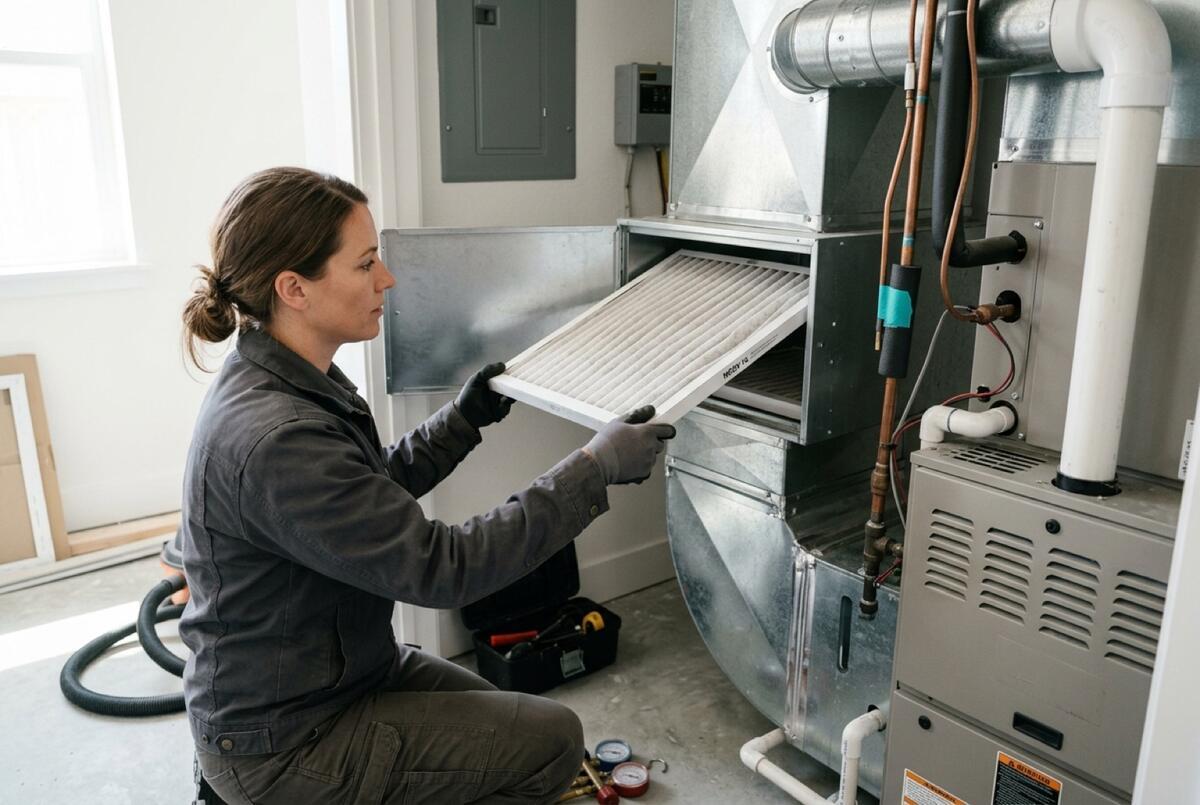
Air Quality
Cleaner air without the gimmicks.
Related guides
SMUD Heat Pump Rebates: What Sacramento Homeowners Should Know
SMUD offers heat pump rebates for qualifying Sacramento-area homes, but amounts and eligibility change. Here's how the program works and what to verify first.
Local rules · ReviewedRepair or Replace Your HVAC System? A Sacramento Decision Guide
Deciding whether to repair or replace your AC or furnace? Weigh age, repair cost, refrigerant, efficiency, and comfort, plus the $5,000 test.
Cost and decisions · ReviewedDo You Need a Permit to Replace HVAC in Sacramento?
Replacing an AC or furnace in the Sacramento area needs a permit — and who issues it depends on your city or unincorporated county address. Here's how it works.
Local rules · Reviewed
Planning tools
HVAC replacement cost calculator
Planning ranges for AC, furnace, heat pump, and mini-split replacement.
AC repair vs replace calculator
Weigh age, repair cost, refrigerant, and comfort to see which way the math leans.
Frequently asked questions
How much does a ductless mini-split cost in Sacramento?
It scales with zones: a single-zone system runs a planning range of about $4,500 to $8,000, a 2-3 zone system about $9,000 to $15,000, and a 4-plus zone system about $14,000 to $20,000. These are estimates, not quotes — head count and placement, electrical, and access move them, confirmed by an on-site inspection.
Why does adding zones raise the price so much?
Each indoor head is its own unit with its own mounting, line-set run, and controls, so cost scales with the number of rooms you want to condition independently. A 4-plus zone system is closer to a whole-home solution, which is why its range sits well above a single-zone project. That's also why quotes should be compared at the same zone count.
Is a mini-split cheaper than adding ductwork?
Often, for a specific room or an older home without ducts. Retrofitting ductwork into a home that never had it can be invasive and expensive, so a ductless zone can be the cleaner, more cost-effective fix for a problem room, ADU, or addition. For a whole home that already has good ducts, a ducted replacement may be more cost-effective — it depends on the situation.
Are mini-splits efficient, and do they heat too?
Yes to both. Every mini-split is an air-source heat pump, so it heats and cools, and because it has no ducts it avoids the duct losses the U.S. Department of Energy attributes to leaky central systems. That makes ductless a strong fit for the older Sacramento homes that have bad or no ductwork. Efficiency is rated in SEER2 (cooling) and HSPF2 (heating); an ENERGY STAR unit sits above the federal minimums and is usually the tier that qualifies for rebates.
Do I need a permit for a mini-split install?
Yes. A mini-split install is treated as adding a regulated system and requires a permit across the Sacramento region. The issuing authority depends on where you live — incorporated cities issue their own, while unincorporated Carmichael and Fair Oaks go through Sacramento County. Our Sacramento HVAC permit guide covers how it works by area.
Do mini-splits qualify for rebates?
They can, because mini-splits are heat pumps. A qualifying project in SMUD territory may have rebate options, but eligibility depends on the current program, the equipment, your utility territory, and contractor requirements, so we don't build an assumed rebate into the estimate. We cover what may apply and point you to the current program to verify — see our SMUD heat pump rebates resource.
Get an exact figure for your home
Planning ranges are a sanity check, not a quote. 916air inspects the home, explains the options, and puts the real number in writing before any work.